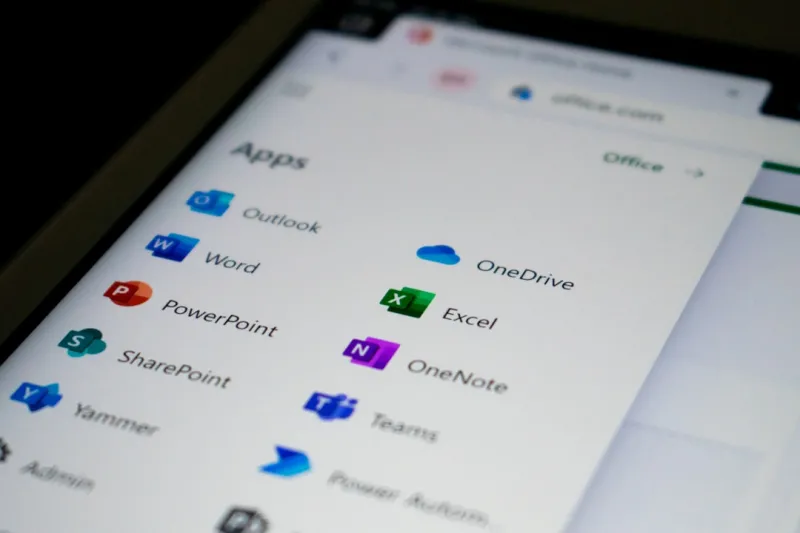
When I first laid hands on the original Office suite, I never imagined that in 2026 it would feel like a living organism, constantly learning, adapting, and even predicting my next move. Microsoft has turned the classic ribbon interface into a collaborative, AI‑powered workspace that feels less like a static toolset and more like a partner in every document, spreadsheet, and presentation you craft. As someone who lives at the intersection of tech support and creative writing, I’ve watched the Office ecosystem evolve from a desktop‑only suite to a cloud‑first, AI‑enhanced platform that can draft a proposal while I’m still brainstorming the headline. The shift isn’t just cosmetic; it’s a fundamental redesign of how we think about productivity, security, and the very nature of “working on a file.” In this deep dive, I’ll unpack the most compelling trends shaping Microsoft Office today, from the rise of Copilot to the hidden security layers that protect our data in a world where breaches happen at the speed of a click.
AI Copilot: Your New Co‑Creator
Microsoft’s Copilot has moved beyond a gimmick and into the core of Office applications, turning mundane tasks into conversational experiences. Imagine opening Word and simply saying, “Draft a two‑page executive summary for our Q3 results,” and watching the AI spin out a polished document, complete with charts and citations, all while you refine the tone in real time. In Excel, Copilot can suggest complex formulas based on natural language prompts like “Calculate the year‑over‑year growth for each region and highlight any negative trends.” This isn’t just about speed; it’s about democratizing advanced analysis for users who once felt intimidated by nested IF statements or pivot tables. The AI learns from the patterns in your organization’s data, ensuring the recommendations stay relevant and compliant with your internal standards. For power users, the real magic lies in its ability to generate VBA snippets on the fly, letting you automate repetitive workflows without digging through endless documentation.
Seamless Cloud Collaboration
Collaboration in 2026 feels more like a shared mind than a series of file versions. With OneDrive and SharePoint acting as the connective tissue, every change is saved instantly, and version history is a transparent, scrollable timeline. Teams integration means you can co‑author a PowerPoint deck while on a video call, seeing each other’s cursor movements and comments in real time. The new “Live Sync” feature ensures that even if you’re offline for a few minutes, the moment you reconnect, Office reconciles every edit without conflicts—a stark contrast to the version wars of the early 2020s. For remote teams spread across multiple time zones, this fluidity reduces bottlenecks and eliminates the dreaded “I’m working on the latest version” email threads. Moreover, Microsoft’s compliance center now provides granular permission controls, allowing admins to set who can edit, view, or comment on sensitive documents, all while maintaining an audit trail that satisfies regulatory demands.
Data Protection Built In
Security is no longer an afterthought; it’s woven into the fabric of every Office file. Microsoft has introduced end‑to‑end encryption for documents stored in the cloud, and the new Sensitivity Labels automatically tag content based on its classification—be it confidential, internal, or public. When you share a spreadsheet containing financial forecasts, the system can enforce restrictions like “no download” or “view‑only for 48 hours,” ensuring that sensitive data doesn’t slip through the cracks. If you’re curious about how to further harden your data, I recommend checking out the guide on practical encryption strategies, which dives into key management and encryption best practices tailored for the modern Office environment. Coupled with Microsoft’s Advanced Threat Protection, which scans attachments for malware before they even hit your inbox, Office has become a robust fortress for both individual creators and enterprise teams.
AI‑Driven Operating Systems Meet Office
What makes Office feel so responsive today is its deep integration with the AI‑enhanced Windows core. The operating system now runs predictive models that anticipate which Office app you’ll need based on your workflow patterns, pre‑loading resources to reduce launch times by up to 40 percent. This synergy is highlighted in the latest article about AI‑driven operating systems, which explains how low‑latency edge AI can offload heavy computations—like complex Power BI data refreshes—from the cloud to your local machine, preserving bandwidth and speeding up analysis. For businesses operating on edge devices or in low‑connectivity environments, this means Office can function smoothly even when the internet hiccups, thanks to local AI caches that keep essential features alive. It’s a subtle yet powerful shift that transforms the user experience from reactive to anticipatory, positioning Office as a true productivity hub on any device.
Accessibility and Voice‑First Interaction
Inclusivity has become a cornerstone of Microsoft’s roadmap, and Office now boasts a suite of accessibility enhancements that empower every user. The new “Read Aloud” engine supports over 50 languages and can automatically adjust speech speed based on user preference, making long documents more digestible for those with visual impairments. Voice commands have been expanded beyond basic dictation; you can now ask Excel, “Show me the top five selling products last quarter,” and watch a dynamic chart materialize without touching a mouse. For creators who rely on keyboard shortcuts, the redesigned “Ease of Access” menu offers customizable hotkeys that remember your most used commands across Word, PowerPoint, and Outlook. These features not only comply with evolving accessibility regulations but also boost overall efficiency, as users spend less time navigating menus and more time producing high‑quality content.
Power‑User Toolkit: Advanced Formulas, Macros, and Add‑Ins
For those of us who love to tinker under the hood, Office 2026 offers a richer set of developer tools than ever before. Excel’s new Lambda functions let you create reusable custom formulas without writing VBA, turning complex calculations into tidy, shareable snippets. Meanwhile, the revamped Office Scripts environment provides a TypeScript‑based automation layer, bridging the gap between traditional macros and modern web APIs. If you still prefer VBA, the editor now includes AI‑assisted code completion, reducing syntax errors and suggesting best‑practice patterns. PowerPoint has also introduced a “Design AI” pane that can automatically generate slide layouts based on your content hierarchy, while still allowing you to fine‑tune every visual element. To stay ahead in this fast‑moving landscape, the article on AI computing trends offers valuable insights on leveraging AI for workflow automation and performance optimization.
The Roadmap: What’s Next for Office?
Microsoft’s public roadmap hints at several exciting developments on the horizon. First, a deeper integration with Microsoft Loop promises a modular, real‑time component system that can be embedded across Teams, Outlook, and even third‑party platforms, turning a single paragraph into a living, interactive data block. Second, the upcoming “Project Cortex” expansion aims to turn organizational knowledge into searchable, contextual insights within Office apps, reducing the time spent digging through legacy files. Finally, we can expect more granular AI controls, allowing admins to whitelist or blacklist specific Copilot capabilities to meet compliance needs. As these features roll out, the key will be balancing the power of AI with user control, ensuring that the technology amplifies human creativity rather than dictating it. Early adopters who pilot these tools will gain a competitive edge, shaping the way their teams collaborate and innovate.
Adoption Strategies for Teams and Enterprises
Implementing these cutting‑edge Office capabilities requires a thoughtful rollout plan. Start by conducting a readiness assessment: inventory current licensing, identify power users who can champion new features, and map out critical workflows that could benefit from AI automation. Next, schedule short, hands‑on workshops focusing on high‑impact use cases—like using Copilot to draft client proposals or automating financial dashboards with Excel Lambda. Provide clear governance policies around data sensitivity, leveraging the Sensitivity Labels discussed earlier, and set up monitoring dashboards to track adoption metrics. Don’t forget to involve the IT security team early; they can configure Conditional Access policies that ensure only compliant devices can access premium Office features. By combining education, governance, and continuous feedback loops, organizations can unlock the full potential of Office while maintaining security and compliance.
Final Thoughts: Embrace the Intelligent Workspace
Microsoft Office in 2026 is no longer just a collection of desktop apps; it’s an intelligent, cloud‑native workspace that anticipates your needs, safeguards your data, and adapts to the way you work—whether you’re drafting a quick email on a phone or building a complex financial model on a workstation. As someone who’s lived through the transition from floppy disks to AI‑driven collaboration, I can attest that the most rewarding part of this journey is seeing technology empower creativity rather than replace it. Embrace the AI copilots, explore the new accessibility tools, and don’t shy away from the advanced automation capabilities that can free you from repetitive tasks. The future is already here, and Office is the canvas—let’s start painting with it.