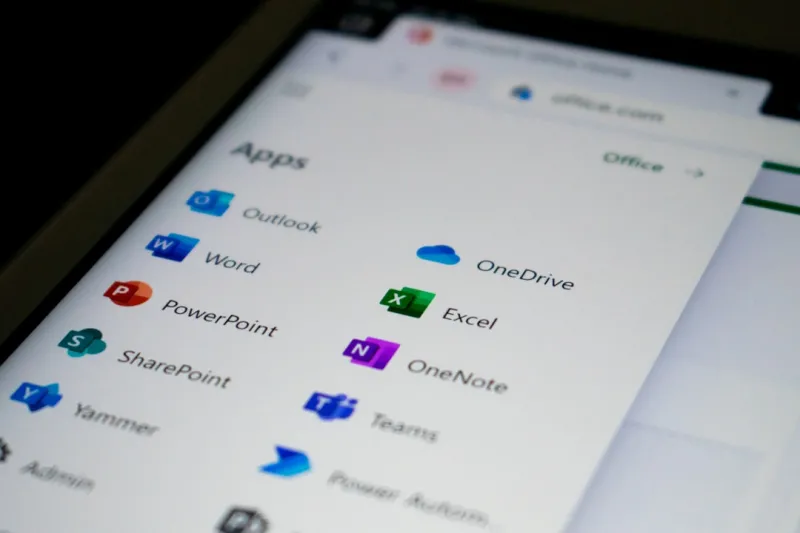
When I first opened a brand‑new Word document back in the early 2010s, the biggest thrill was the “Track Changes” pane. Fast‑forward to 2026, and the same pane now whispers suggestions from an AI assistant, auto‑formats tables, and even drafts entire sections based on a single prompt. As someone who lives at the intersection of tech support and creative writing, I’ve watched Microsoft Office evolve from a static suite to a living, breathing partner in productivity. The latest wave isn’t just about prettier ribbons or faster autosave; it’s a fundamental shift in how we think about documents, spreadsheets, and presentations. In this post, I’ll break down the three forces reshaping Office today—AI‑driven intelligence, iron‑clad security, and seamless collaboration—while sprinkling in practical tips that you can apply right now to stay ahead of the curve.
AI Copilot Takes the Wheel
Microsoft’s most buzzed‑about addition this year is Copilot, an AI layer woven directly into Word, Excel, PowerPoint, and even Outlook. What used to be a “helpful” sidebar is now a full‑fledged co‑author that can summarize meeting notes, generate pivot tables from raw data, and design slide decks in seconds. The magic lies in large language models that have been fine‑tuned on Microsoft’s massive corpus of business documents, ensuring relevance and privacy. For example, in Excel you can type “forecast sales for Q4 based on last three years” and watch a dynamic chart materialize, complete with confidence intervals. In Word, you can ask, “rewrite this paragraph to sound more persuasive for a grant proposal,” and Copilot delivers a polished rewrite while preserving your original tone. The best part? All of this runs in the cloud, meaning even modest hardware can tap into cutting‑edge AI without a performance hit.
Collaboration in Real Time
Real‑time collaboration isn’t new, but the depth of integration we see in 2026 feels like a leap from the days of “save and email.” Teams now doubles as the command center for all Office apps, letting you jump from a Teams chat directly into a shared OneNote notebook that updates instantly for every participant. The new “Live Sync” engine reduces latency to virtually zero, so when a colleague edits a PowerPoint slide on a Mac, you see the change on a Windows PC in milliseconds. Moreover, version history has become granular; you can revert to any edit made within the last 30 days, complete with a snapshot of the exact AI suggestions that were applied. This level of transparency has made cross‑departmental projects smoother, especially for remote teams that rely on quick turnarounds. If you’re still using the old “share a link” method, you’re missing out on the collaborative safety net that now flags conflicting edits before they become a mess.
Security and Encryption: The New Baseline
With AI assistance comes a heightened risk surface, which is why Microsoft has doubled down on security this year. Every Office file now defaults to end‑to‑end encryption, powered by the same protocols highlighted in Why Encryption Is the Non‑Negotiable Backbone of Modern PC Security. The encryption keys are stored in Azure Key Vault, meaning they never leave Microsoft’s secure cloud environment. Additionally, Sensitivity Labels can be applied automatically based on content, ensuring that confidential financial data in Excel is flagged and restricted to authorized eyes only. Multi‑factor authentication (MFA) is now required for any external sharing, and conditional access policies can block downloads on unmanaged devices. For organizations, the compliance dashboards in the Microsoft 365 admin center give real‑time visibility into who accessed which document and from where, turning what used to be a reactive audit into a proactive shield.
Cross‑Platform Fluidity
One of the most underrated strengths of Office in 2026 is its fluidity across devices. Whether you’re drafting a report on an iPad with the Apple Pencil, polishing a spreadsheet on a Linux workstation, or presenting from a Chrome OS tablet, the experience is indistinguishable. Microsoft’s universal app framework leverages WebAssembly to deliver native‑like performance, and the cloud‑backed “Open Anywhere” feature syncs your cursor position, comments, and even your personal Copilot preferences across all platforms. This eliminates the old “I can’t find the right font on my Mac” problem, because fonts and styles are now streamed from the cloud. For power users who switch between a high‑end workstation and a lightweight laptop, this means you can pick up exactly where you left off, with the same AI suggestions and security posture intact.
Data Analytics Gets a Power Boost
Power BI’s integration with the Office suite has reached a new tier of sophistication. In Excel, the “Analyze in Power BI” button now pushes your data model to the cloud, where AI‑enhanced visualizations are auto‑generated based on patterns it detects. You can ask the assistant, “What are the top three drivers of churn this quarter?” and receive a drill‑down report with interactive slicers embedded directly in the worksheet. The synergy doesn’t stop there—PowerPoint can now embed live Power BI dashboards that update in real time during a presentation, eliminating the need for static screenshots. This tight coupling means business analysts no longer juggle separate tools; instead, they stay within the familiar Office environment while harnessing enterprise‑grade analytics.
Customization Through Add‑Ins and Low‑Code
If you’ve ever wished you could tailor Office to your unique workflow, the low‑code ecosystem introduced in 2025 finally delivers. The new Power Platform integration lets you build custom add‑ins using a visual drag‑and‑drop interface, then deploy them across your organization with a single click. Need a form that automatically pulls client data from a CRM into a Word template? Build it in Power Apps, embed it as an Office add‑in, and watch it populate fields on demand. The platform also supports AI model integration, so you can embed your own trained models into Excel for bespoke forecasting. These capabilities democratize development, allowing non‑developers to extend Office’s functionality without writing a single line of code—yet the framework remains robust enough for seasoned programmers to inject custom JavaScript when needed.
Future Outlook: AI‑Powered Docs and Adaptive Defenses
Looking ahead, the line between document creation and intelligent automation will blur even further. Upcoming updates promise “Self‑Updating Docs” that automatically revise themselves as underlying data changes—imagine a quarterly report that refreshes its charts and narratives the moment new sales figures land in your database. At the same time, the security landscape is evolving; as outlined in AI‑Driven Threats and Adaptive Defenses: Securing Your PC in 2026, AI can both attack and defend. Microsoft is already piloting AI‑based anomaly detection that watches for suspicious document behavior, such as a macro suddenly attempting outbound network calls. Pairing this with the adaptive defenses built into the Office cloud, you get a proactive shield that learns from each new threat vector. For professionals, this means fewer interruptions, faster document turnaround, and confidence that your data stays protected in an increasingly AI‑centric world.
Take the Next Step
Embracing these changes doesn’t require a wholesale overhaul of your workflow—start small. Turn on Copilot suggestions in Word, experiment with Live Sync in Teams, and enable sensitivity labels for your most confidential files. As you get comfortable, explore custom add‑ins to automate repetitive tasks, and leverage Power BI’s AI visualizations to turn raw numbers into compelling stories. By weaving together AI intelligence, rock‑solid security, and true cross‑device fluidity, Microsoft Office in 2026 equips you to work smarter, faster, and safer. So, fire up that spreadsheet, let Copilot do the heavy lifting, and watch your productivity soar.