Why Windows Remains My Playground in 2026
Every time I fire up my workstation, I’m reminded why Microsoft Windows has become the default sandbox for power‑users like myself. In 2026 the operating system feels less like a static platform and more like a living, breathing ecosystem that evolves alongside my own workflow ambitions. I’ve spent years juggling Linux terminals, macOS sandboxes, and even niche RTOS builds, yet Windows offers the seamless integration of legacy software, modern AI APIs, and enterprise‑grade security that keeps me productive without constant rewrites. The deeply customizable Start menu and the ever‑refined virtual desktop system let me partition development, design, and gaming into tidy lanes that never bleed into each other. Meanwhile, the Windows Subsystem for Linux (WSL) has matured into a near‑native experience, allowing me to run Bash scripts and Docker containers side‑by‑side with native .exe tools. In short, Windows today feels like a Swiss army knife that’s been sharpened for the power‑user market, and I’m here to unpack exactly how you can squeeze every last drop of performance out of it.
The Enduring Edge of Windows 11 for Power‑Users
If you’ve been following my blog, you know I’m not shy about championing the operating system that best serves the grind. That’s why Why Windows 11 Still Dominates Power‑User Workflows is a must‑read for anyone who still questions the relevance of Microsoft’s latest UI overhaul. Windows 11’s refined snap layouts and integrated widgets might look like aesthetic fluff, but they’re built on a core that dramatically reduces window‑management friction—something that translates to real‑world time savings when juggling multiple IDEs, monitoring dashboards, and streaming data pipelines. The new DirectStorage pipeline also gives developers low‑latency access to NVMe SSDs, shaving milliseconds off build times that add up across a day’s worth of compiles. And let’s not overlook the streamlined settings hierarchy; the centralized privacy controls empower us to lock down telemetry without diving into obscure Group Policy objects. In my experience, the combination of ergonomic UI tweaks and under‑the‑hood performance wins makes Windows 11 the undisputed workhorse for power‑users in 2026.
AI Computing Has Finally Found Its Home in Windows
When I first experimented with on‑device machine learning last decade, the hardware was a bottleneck and the software stack felt cobbled together. Fast forward to 2026, and Windows now ships with a native AI accelerator framework that rivals any dedicated Linux distro. The AI Computing Mastery: A Power‑User’s Guide to 2026 Performance guide broke down how the Windows ML runtime leverages both integrated GPU cores and discrete RTX‑style tensor units without the need for third‑party wrappers. What really excites me is the seamless bridge between the Windows Terminal and the new AI‑optimized PowerShell cmdlets, allowing me to script inference pipelines that run in the background while I code. Even more compelling is the OS‑level scheduler that prioritizes AI workloads based on user‑defined QoS profiles, so a long‑running model training job won’t starve my foreground compiler. By integrating these capabilities at the OS layer, Microsoft has turned Windows into a platform where AI‑first development feels as natural as writing a simple batch file.
Security in the Age of Sophisticated Malware
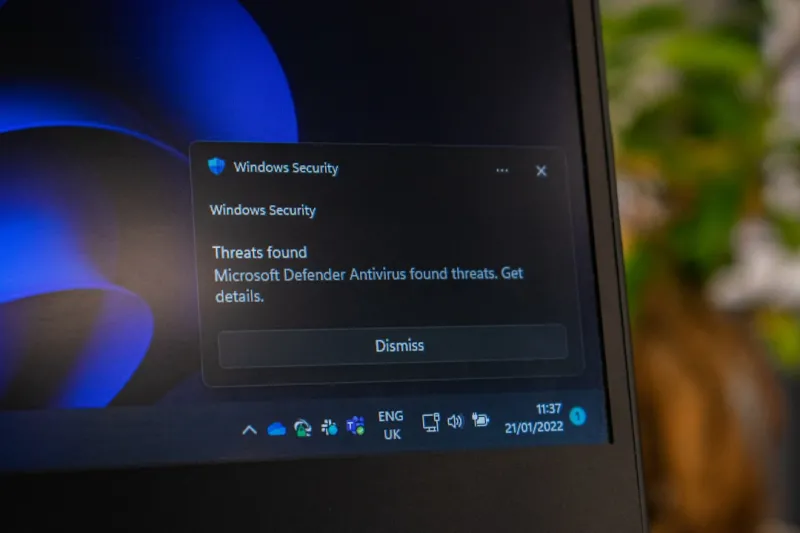
Power‑users often think they’re immune to the “average” ransomware wave, but the threat landscape has grown smarter, more targeted, and deeply embedded in legitimate software supply chains. The article The Hidden Malware Threats Power Users Must Defeat in 2026 highlighted a surge in fileless attacks that hijack trusted Windows services like MsMpEng.exe. In response, Microsoft has doubled down on hardware‑rooted security—Secure Boot, TPM 2.0, and the new Hyper‑V based isolation containers that sandbox risky processes at the kernel level. For me, the most game‑changing feature is the revamped Windows Defender Application Control (WDAC) that now supports dynamic policy updates based on real‑time threat intelligence feeds. By coupling these OS‑level defenses with a disciplined Zero Trust mindset, you can prevent even the most stealthy adversaries from gaining a foothold. I’ve started integrating automated policy audits into my CI pipeline, ensuring every build is vetted before it ever lands on my workstation, and the results have been nothing short of reassuring.
Critical Updates That Power‑Users Can’t Ignore
Every quarter, Microsoft pushes a cascade of cumulative updates that promise bug fixes, security patches, and feature refinements. While many users treat these as optional chores, I view them as essential performance boosters. The latest Critical 2026 Power‑User Updates You Can’t Afford to Miss include a revamped memory manager that reduces page‑fault latency by up to 30% on systems with high‑speed DDR5 modules. There’s also an under‑the‑radar improvement to the Windows Scheduler that better balances foreground UI threads against background AI workloads, a subtle change that feels massive when you’re compiling a massive codebase while streaming a 4K video. Ignoring these updates can lead to hidden inefficiencies that compound over weeks of heavy use. I’ve set up a dedicated maintenance VM that runs the update checklist before I roll changes onto my primary rig, ensuring I never lose a single performance edge. In the power‑user world, staying on the bleeding edge of updates is not a luxury; it’s a competitive necessity.
Selecting the Right GPU for a Windows‑Centric Workflow
Choosing a graphics card in 2026 is no longer just about raw rasterization power; it’s about how well the GPU integrates with Windows‑level AI, rendering, and compute APIs. The Choosing the Right GPU for Power‑Users in 2026 article broke down the trade‑offs between the latest RTX‑50 series, AMD’s RDNA 4 line, and the emerging Intel Arc Pro GPUs. For my Windows‑centric workflow, the RTX‑50’s dedicated Tensor cores provide a massive boost for AI‑accelerated tasks, especially when paired with the native Windows ML stack. However, AMD’s latest drivers have made strides in DirectX 12 Ultimate compliance, giving a smoother experience for real‑time ray tracing in design visualizations. The key takeaway for me was that driver stability on Windows matters more than raw benchmark numbers; a single driver crash can stall an entire day’s worth of work. I’ve settled on a dual‑GPU configuration: an RTX‑50 for AI and a secondary AMD card for display outputs and legacy OpenGL workloads, achieving a balanced, future‑proof setup that leverages the best of both ecosystems.
Why RAM Issues Still Haunt Power Users—and How to Crush Them
Even with today’s massive memory capacities, power‑users still encounter RAM bottlenecks that manifest as random crashes, sluggish IDEs, and dreaded “out‑of‑memory” errors during large builds. The deep dive in Why RAM Issues Still Haunt Power Users—and How to Crush Them revealed that many of these problems stem from outdated memory allocation strategies baked into legacy Windows services. In 2026, Windows now offers a dynamic memory compression engine that intelligently swaps idle pages to the SSD without sacrificing speed, but you still need to configure your system to take advantage of it. I recommend enabling the “Memory Integrity” setting in Windows Security and allocating a dedicated 32 GB “High‑Performance” memory pool for development tools via the Group Policy Editor. Pair this with a fast DDR5‑5600 kit, and you’ll notice a tangible drop in compile times and a more stable debugging session. For me, the secret sauce has been pairing hardware upgrades with the OS’s new memory diagnostics that flag problematic modules before they cause a crash.
Future‑Proofing Your Windows OS Playbook
The final piece of the puzzle is treating Windows itself as a modular platform you can continuously evolve. The Unlocking the Power‑User Operating System Playbook for 2026 outlines a roadmap that starts with a clean, minimal Windows installation—stripping out telemetry, unnecessary services, and legacy components that bloat the kernel. From there, I layer on a curated set of PowerShell scripts that automate driver updates, enforce security baselines, and integrate the latest AI runtime libraries. By using Windows Sandbox for risky experiments and leveraging the built‑in MSIX packaging system, I can test new tools without contaminating my main environment. This approach not only protects the core OS but also gives me the flexibility to adopt emerging technologies—like the upcoming Windows‑Native WebGPU API—without a full system reinstall. In practice, this playbook has turned my workstation into a resilient, adaptable machine that feels fresh even years after the initial purchase, proving that a forward‑thinking OS strategy is the ultimate power‑user advantage.
Wrapping Up: Your Next Steps as a Windows Power‑User
After months of tinkering, testing, and fine‑tuning my Windows rig, I can confidently say that the platform still offers the most fertile ground for power‑users seeking to blend development, AI, and high‑performance workloads. The key is to stay proactive—regularly apply critical updates, audit your hardware choices, and keep an eye on emerging security threats. Remember to leverage the internal resources we’ve linked throughout this post; they’re designed to give you a deeper dive into each niche area. If you’re ready to transform your Windows experience, start by cleaning up your current install, enable the new AI‑ready features, and lock down your security posture with Zero Trust principles. The future of Windows is not a static snapshot but an evolving canvas, and with the right mindset, you’ll be painting your most productive masterpiece yet.