When my first RTX 4090 started spitting green pixels across a freshly rendered scene, I knew I was about to write another long‑winded post about video‑card woes. In 2026, the GPU has become more than a graphics accelerator; it’s the backbone of AI‑enhanced workflows, high‑refresh‑rate gaming, and even cryptocurrency mining in niche circles. That makes troubleshooting a GPU feel like performing surgery on a brain that’s constantly learning. I’ve spent countless nights peeling back thermal paste, swapping out power cables, and scouring driver release notes, and I’ve distilled those experiences into a step‑by‑step playbook. Whether you’re a creator juggling 8K timelines or a gamer chasing buttery‑smooth 240 Hz, the same fundamentals apply. This article walks you through the diagnostic ladder, highlights the pitfalls that even seasoned builders miss, and gives you the confidence to get your card humming again without a frantic Google search at 3 AM.
Spotting the Tell‑Tale Signs of a Failing GPU
The first clue that something is amiss usually shows up as visual artifacts: shimmering textures, unexpected color bands, or a sudden shift to a monochrome palette. In more severe cases, the system may crash to a black screen or reboot in a loop. Stuttering frame rates that aren’t tied to CPU bottlenecks are another red flag, especially when they appear after a driver update. If you notice the dreaded “Display driver stopped responding and has recovered” message, it’s often a symptom rather than the cause. These issues can also masquerade as software bugs—think a game crashing only after you enable DLSS or ray tracing. By cataloging the exact circumstances—game title, resolution, settings, and recent software changes—you create a forensic trail that makes the rest of the troubleshooting process far more efficient.
Physical Inspection: The Foundation of Any Fix
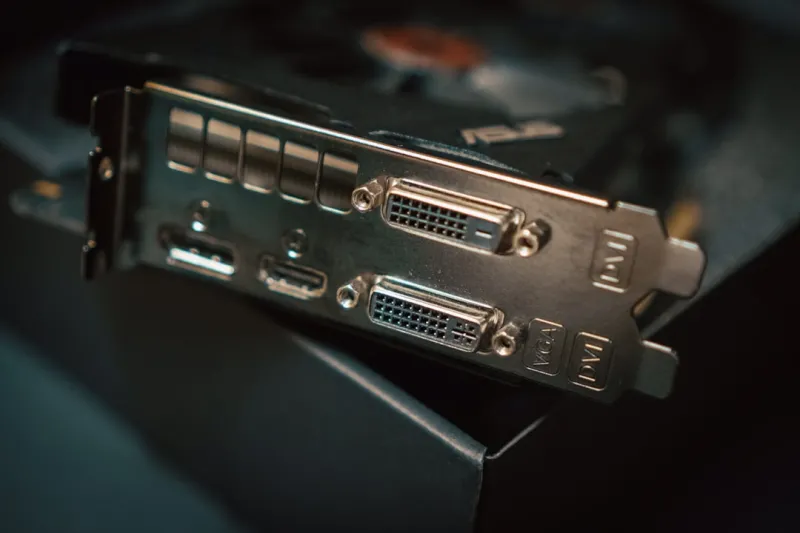
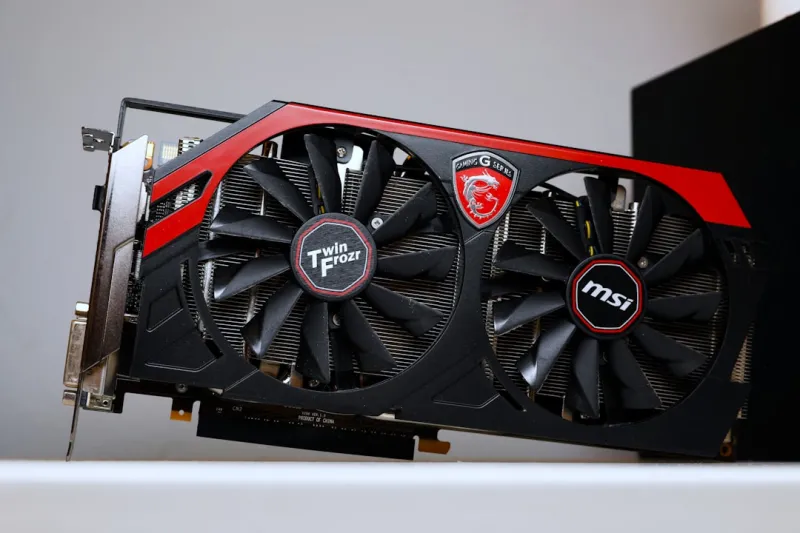
Before you dive into driver logs, pull the case open and give your GPU a once‑over. Loose PCIe connectors are a common culprit; a card that’s not fully seated will experience intermittent power loss, leading to flickering or sudden shutdowns. Verify that the 6‑pin or 8‑pin power connectors are firmly clicked into place and that the PSU can comfortably deliver the required wattage—most modern high‑end cards need at least a 750 W, 80 PLUS Gold unit. Dust accumulation is another silent assassin: clogged heatsinks and fans cause thermal throttling, which manifests as sudden frame drops or system hangs under load. Use a can of compressed air to clear the fins, and consider reapplying thermal paste if the card is several years old. A quick visual check often saves hours of software debugging later.
Driver Hygiene: Clean Installs and the DDU Ritual
Driver corruption is the most frequent source of GPU instability in 2026. The safest approach is a clean installation using Display Driver Uninstaller (DDU) in Safe Mode. This tool strips away residual files, registry entries, and hidden services that can conflict with a fresh driver package. After the purge, download the latest WHQL‑certified driver directly from the manufacturer’s website—avoid third‑party mirrors that may bundle unwanted telemetry. When installing, opt for the “Custom” path and select a clean install, which forces Windows to reset the graphics stack. Remember to reboot after the driver install; many users skip this step and wonder why the issues persist. Finally, keep Windows Update turned on for the occasional cumulative patch that addresses hidden compatibility glitches with newer GPUs.
BIOS/UEFI Tweaks: Aligning Firmware with Hardware
The motherboard’s firmware can dramatically affect GPU performance. In the UEFI, ensure the PCIe slot is set to the appropriate generation—most modern boards auto‑negotiate, but forcing it to Gen 5 can resolve compatibility quirks with the latest GPUs. Adjust the power limit slider if you’re running a factory overclock; a modest increase can prevent throttling under heavy loads. Disable “Fast Boot” and “Secure Boot” temporarily if you’re experiencing boot‑time crashes, as these features sometimes interfere with driver initialization. For overclock enthusiasts, a conservative approach is advisable: increase the core clock in small 15 MHz increments, testing stability after each step with a benchmark like 3DMark Time Spy. Overzealous overclocking is still a leading cause of artifact‑laden frames, especially when the card’s VRAM is pushed beyond its rated speed.
Thermal and Power Monitoring: The Real‑Time Health Check
Tools like MSI Afterburner, GPU-Z, and HWInfo give you a live readout of temperature, power draw, and clock speeds. Keep the GPU temperature under 80 °C during sustained loads; anything above 85 °C suggests inadequate cooling or a failing fan. Watch for sudden spikes in power consumption that exceed the card’s TDP—this could indicate a driver issue or a faulty power delivery system on the motherboard. Enable fan curves that ramp up more aggressively as temperatures climb; the default “silent” profiles are often too conservative for high‑performance workloads. If you notice the GPU clock dropping unexpectedly (a phenomenon known as “GPU Boost throttling”), it’s a clear sign that the card is protecting itself from overheating or over‑powering, and you should address the underlying thermal or power supply problem before proceeding.
Isolation Testing: Swapping, Benchmarks, and Integrated Graphics
When diagnostics stall, it’s time to isolate the variable. If you have access to a spare GPU, swap it in and see whether the symptoms persist. Conversely, boot using integrated graphics (or a low‑end GPU) to verify that the rest of the system—CPU, RAM, PSU—is stable. Running a stress test such as FurMark or Unigine Heaven can quickly expose hardware defects; a crash during these benchmarks typically points to a GPU issue rather than software. Keep a log of test results, noting the exact temperatures and power draw at the point of failure. This data is invaluable when you eventually consult forums or support lines, as it demonstrates that you’ve already performed a systematic analysis.
Software Conflicts: The Hidden Enemy in the Background
In 2026, many users run AI‑enhanced background tasks—real‑time video upscaling, neural‑network inference, or even cryptocurrency mining scripts. These workloads compete for GPU resources and can inadvertently cause driver crashes if they’re not properly sandboxed. Check the task manager for rogue processes that are hogging GPU memory, and consider setting resource limits in Windows Settings > Graphics Settings. Some antivirus suites also inject kernels into the graphics driver stack, leading to instability. If you suspect a security program, temporarily disable it and observe whether the GPU behaves more predictably. Additionally, Windows’ built-in “Hardware‑accelerated GPU scheduling” can improve performance but may also introduce bugs on certain driver versions; toggling this feature on or off can be a quick fix for intermittent stuttering.
Future‑Proofing: Smart Upgrades for the AI‑Driven Era
Even if your current GPU is healthy, planning ahead can spare you future headaches. The next wave of AI‑accelerated workloads benefits from dedicated tensor cores and larger VRAM buffers, so when you’re ready to upgrade, consider a card that balances rasterization performance with AI compute capabilities. Pairing a modern GPU with a motherboard that supports PCIe 5.0 and ample power delivery ensures you won’t be bottlenecked by legacy interfaces. For those building on a budget, the smart PC upgrades that keep you ahead of the AI curve guide walks you through selecting components that maximize AI‑related performance without breaking the bank. Remember, a well‑matched system not only reduces the likelihood of video‑card failures but also extends the useful lifespan of every part.
When All Else Fails: Leveraging Community Knowledge
If you’ve walked through the hardware checks, driver reinstall, BIOS tweaks, and still face instability, it’s time to tap into the collective expertise of the PC community. Sites like Reddit’s r/hardware, the Linus Tech Tips forums, and the official manufacturer support boards are treasure troves of similar case studies. When posting, include your diagnostic logs, temperature readings, and a concise description of the issue—this mirrors the thoroughness you’ve already applied and invites targeted advice. For a deep dive into common GPU problems and their resolutions, our own why video card issues persist and how to fix them in 2026 article breaks down the most frequent failure modes and provides a checklist you can copy‑paste into your support ticket. A well‑documented request often accelerates RMA processing and can even uncover a firmware update you missed.
Maintaining Peak Performance: The Ongoing Routine
The final piece of the puzzle is adopting a regular maintenance schedule. Clean dust from the GPU and case fans every three months, reapply thermal paste every two years, and run a quick benchmark after each Windows update to catch regressions early. Keep an eye on driver release notes; manufacturers sometimes roll back features that cause instability on specific hardware revisions. Finally, back up your critical data before attempting any major changes—GPU failures can sometimes cascade into system crashes that jeopardize unsaved work. By treating your video card as a living component that needs care, you’ll enjoy smoother gaming sessions, faster render times, and fewer late‑night panic calls to tech support. Happy building, and may your frames be forever flawless.