When my laptop started hiccuping during a simple spreadsheet macro, I knew it was more than a stray driver glitch. In 2026, RAM isn’t just a silent workhorse; it’s the pulse that syncs CPUs, GPUs, and AI accelerators into a single, high‑speed rhythm. Yet, for many power users, memory problems still masquerade as “random crashes” or “slowdowns” that are hard to pin down. The truth is, a faulty stick, mismatched timing, or simply an undersized module can derail even the most finely tuned setup. In this deep‑dive, I’ll walk you through the modern landscape of memory, share the diagnostic tricks I rely on, and outline upgrade pathways that keep your rig future‑ready without breaking the bank. Whether you’re a content creator juggling 8K video renders or a developer training transformer models, mastering RAM health is the secret sauce that keeps your workflow buttery smooth.
Understanding Today’s Memory Landscape
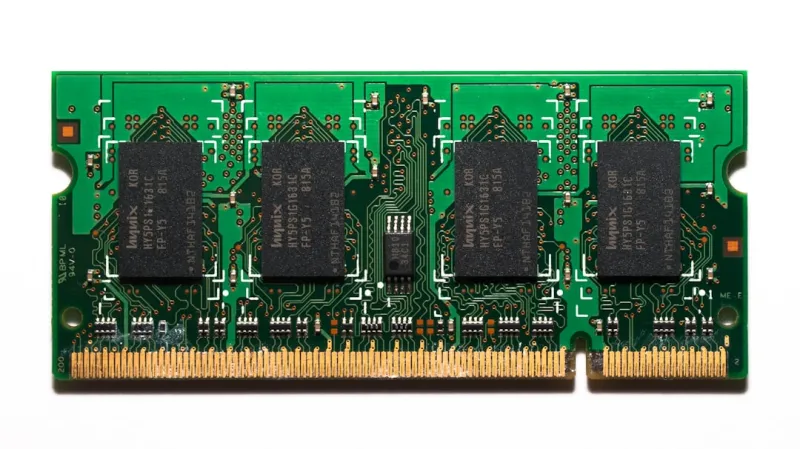
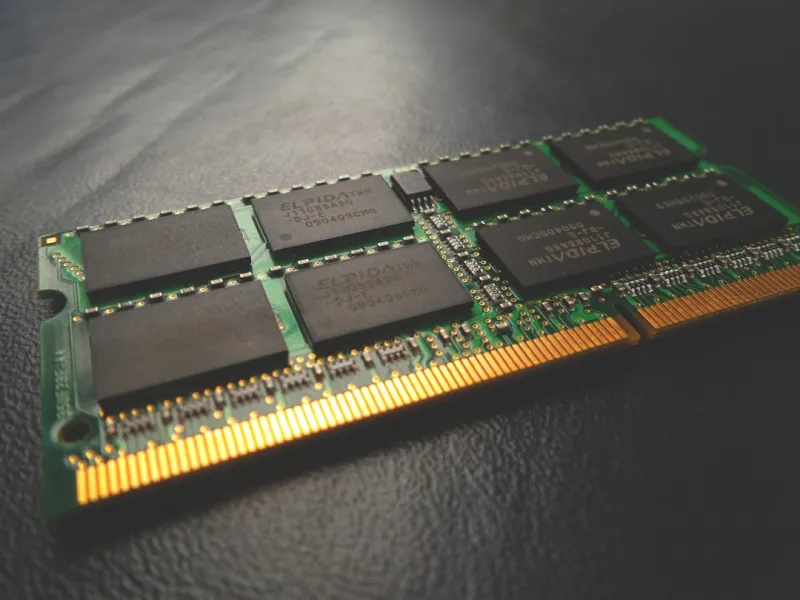
First, let’s demystify the jargon that fills every product page. In 2026, DDR5 is the baseline for high‑performance machines, offering bandwidths that dwarf the DDR4 era by up to 50 %. But it’s not just about speed; latency, CAS timing, and the increasingly popular LPDDR5X for ultrathin laptops also play crucial roles. ECC (Error‑Correcting Code) memory, once reserved for servers, is now trickling into enthusiast motherboards, providing an extra safety net against single‑bit errors that can corrupt data silently. Meanwhile, the rise of AI‑driven workloads means memory isn’t just a passive cache—it’s an active participant in tensor calculations, demanding both high capacity and low latency. Knowing the specs of your current kit—speed (e.g., 5600 MT/s), voltage (1.1 V typical for DDR5), and module density—helps you predict whether you’re merely hitting a bottleneck or dealing with a deeper fault line.
Symptoms That Signal a Memory Malfunction
Every power user develops a mental checklist of red flags, and RAM issues have a knack for slipping in unnoticed. The most obvious culprit is the infamous blue screen; while many blame driver conflicts, a recurring STOP code often points straight to memory corruption. You might also notice random application freezes, files that won’t save, or cryptic “illegal instruction” errors during compilation. In AI‑heavy sessions, you may see sudden spikes in VRAM usage followed by a hard crash—an indicator that the system is starving for RAM bandwidth. If you’re experiencing these patterns consistently, it’s time to treat your memory as the first suspect. For a deeper look at how blue‑screen events still matter, check out why the blue screen still matters to power users in an AI‑driven era. Recognizing these symptoms early saves you from hours of data loss and costly hardware swaps.
Diagnosing the Problem with the Right Tools
The good news is that you don’t need a PhD in hardware to verify your RAM’s health. Windows ships with a built‑in Memory Diagnostic tool that reboots the machine and runs a quick sanity check, but for stubborn issues you’ll want the granularity of MemTest86. This bootable utility pushes each memory address through a battery of patterns, flagging any bit flips that indicate a failing die. I run a full eight‑pass test overnight before I certify a new build as “stable.” If you prefer a graphical interface, the open‑source tool HCI MemTest runs inside Windows and can isolate problematic channels while you keep your primary OS active. For a step‑by‑step guide on troubleshooting, see RAM issues that trip up power users. Remember to test one stick at a time and swap slots; sometimes the problem isn’t the module but the DIMM slot or even the motherboard’s power delivery.
Why AI‑Driven Workloads Amplify RAM Stress
Artificial intelligence workloads have transformed the way we think about “enough RAM.” Training a medium‑sized transformer model can easily consume 64 GB of system memory before even touching the GPU. The data pipelines feeding these models—large tensors, batch augmentations, and real‑time preprocessing—require fast, contiguous memory blocks. If your system is stuck on 16 GB, you’ll see throttling, longer epoch times, or outright out‑of‑memory crashes that look like software bugs. Moreover, AI frameworks now leverage memory‑mapping techniques that keep datasets on disk but treat them as if they reside in RAM, increasing pressure on the page file and causing latency spikes. In short, modern AI tasks turn RAM into a performance bottleneck that’s far more noticeable than it was a few years ago. Understanding this shift helps you justify a higher capacity upgrade and aligns your hardware roadmap with the demands of next‑gen software.
Strategic Upgrades: How to Future‑Proof Your Memory
When I plan a RAM upgrade, I start with the “future‑proof” mantra: aim for at least 32 GB of DDR5, preferably 48 GB or 64 GB if your budget permits. Check your motherboard’s QVL (Qualified Vendor List) to ensure the modules you choose are validated for your chipset—this avoids the dreaded “memory not recognized” error after installation. Dual‑channel configurations still deliver the best performance, so pair sticks of identical size, speed, and latency whenever possible. If you’re already eyeing a new platform, consult Future‑Proof Your PC: Upgrade Strategies Power Users Swear By for a deeper dive into platform selection. Also, consider whether you need ECC; for mission‑critical workloads, the extra cost can save you from silent data corruption. Finally, leave room for expansion—most modern boards support up to 128 GB, so buying a kit that fills half the slots gives you a clear upgrade path without a full replacement.
Fine‑Tuning BIOS/UEFI for Optimal Memory Performance
Even with the best hardware, neglecting BIOS settings can sap performance. Enabling XMP (Extreme Memory Profile) automatically applies the manufacturer’s rated speed, timings, and voltage, turning a 5600 MT/s kit into its full potential. However, power users often push beyond XMP—tightening CAS latency by a few cycles or raising the voltage marginally can shave milliseconds off benchmark runs. Be cautious: higher voltages increase heat, so verify that your CPU cooler and motherboard VRM can handle the extra load. Additionally, disable “Memory Remap” features only if you’re troubleshooting a stability issue; otherwise, they ensure the OS can address the full memory space. Don’t forget to update your UEFI firmware; recent releases include better support for high‑density DDR5 modules and improved power management for low‑latency operation.
Software‑Side Strategies: Virtual Memory and Critical Updates
Hardware isn’t the only piece of the puzzle. Windows 11’s virtual memory manager has become smarter in 2026, automatically sizing the page file based on workload. Still, for memory‑intensive applications, I manually set a fixed page file size—twice the amount of physical RAM—to avoid fragmentation. Keep your OS patched; the latest critical updates include memory‑management optimizations that reduce paging overhead for AI workloads. Disabling unnecessary background services and trimming startup programs also frees up RAM that would otherwise be eaten by telemetry or update daemons. Finally, leverage monitoring tools like Windows Performance Monitor or the open‑source LibreHardwareMonitor to watch real‑time memory usage, page fault rates, and latency spikes. These metrics give you a clear picture of whether you need a hardware upgrade or can solve the issue with a software tweak.
Preventive Maintenance and a Quick Checklist
Think of RAM health as a regular maintenance task, much like oil changes for a car. Dust buildup on DIMM slots can cause poor contact, so when you clean your system, use a soft brush and compressed air to keep the contacts pristine. Schedule a monthly quick run of HCI MemTest for a 30‑minute scan; it catches early wear before a full‑blown failure. Keep an eye on system logs—Windows Event Viewer will flag “WHEA_UNCORRECTABLE_ERROR” events that often precede memory failures. When you finally decide to upgrade, keep the old sticks as spares; they’re invaluable for diagnosing future motherboard issues. By staying proactive, you’ll spend less time troubleshooting and more time harnessing the raw power of your machine to push creative and analytical boundaries.