When I first cracked open a custom rig back in the early 2020s, the mantra was “more cores, more clocks, more everything.” Fast‑forward to 2026, and the conversation has shifted from raw horsepower to intelligent balance, longevity, and adaptability. As a power‑user who lives and breathes hardware, I’ve learned that every component now carries a future‑proofing story—one that determines whether your workstation will stay relevant or become a nostalgic museum piece in a year or two. In this post I’ll walk you through the strategic choices that let you build—or upgrade—a PC that not only dominates today’s demanding workloads but also gracefully absorbs the next wave of tech breakthroughs, all without breaking the bank.
Choosing the Right CPU: Efficiency Meets Scale
The CPU market in 2026 is a playground of hybrid architectures, where performance cores are paired with efficiency cores to maximize both speed and power savings. Top‑tier chips now sport 24‑plus performance cores, but the real magic lies in how manufacturers have refined the inter‑core scheduler to dynamically allocate tasks based on workload intensity. For power users who juggle heavy data crunching, AI inference, and high‑frame‑rate gaming, the key is to select a processor that offers a solid boost clock while maintaining a low idle power draw—think of it as a sports car that can also cruise efficiently on city streets. When paired with a motherboard that supports DDR6 memory and PCIe 5.0, you unlock a synergy that future‑proofs your system for the next three to five years of software evolution.
GPU Realities: Power, Heat, and Stability
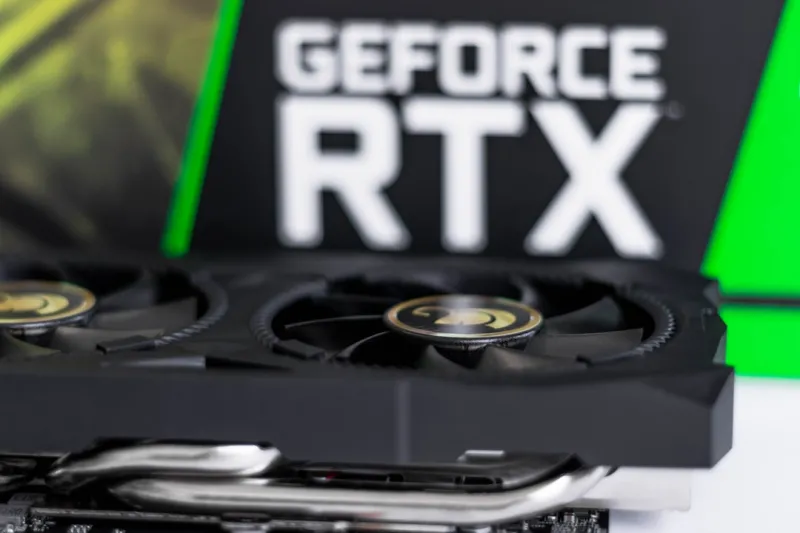
Graphics cards remain the heart of any high‑performance build, but the conversation today goes beyond just raw TFLOPs. Modern GPUs integrate ray tracing cores, AI tensor units, and advanced video encode/decode blocks, all of which demand a robust power delivery and thermal solution. If you’ve ever seen a GPU misbehave—crashing mid‑render or throttling under load—you know the frustration can halt productivity. That’s why I always cross‑reference my builds with the When Your GPU Misbehaves: A Power‑User’s Troubleshooting Playbook before finalizing a purchase. Ensuring the card’s power connectors match your PSU’s rail distribution, and that your case offers adequate airflow or a custom liquid loop, can turn a temperamental GPU into a reliable workhorse that handles 4K gaming, real‑time ray tracing, and AI‑accelerated workloads without surprise hiccups.
Memory Matters: DDR5 vs. DDR6 and Beyond
Memory technology has leapt forward, with DDR6 modules hitting the mainstream market and offering up to 7200 MT/s speeds. For power users, the decision isn’t merely about clock rates; it’s about latency, capacity, and ECC support for mission‑critical tasks. A 32 GB DDR6 kit can provide the bandwidth required for massive datasets and high‑resolution video editing, while still leaving headroom for future software that leverages larger address spaces. If you’re troubleshooting instability, I recommend a deep dive into the Diagnosing and Fixing RAM Issues: A Power‑User’s Hands‑On Guide to ensure your memory timings are optimized and your BIOS settings align with the module’s SPD profiles. Properly tuned memory can shave milliseconds off rendering times and keep your system rock‑solid during intensive multitasking.
Storage Evolution: NVMe Gen 5 and the PCIe 5.0 Frontier
The storage landscape in 2026 is dominated by NVMe Gen 5 SSDs that push sequential reads and writes beyond 14 GB/s, thanks to the full exploitation of PCIe 5.0 lanes. For power users handling 8K video, large-scale simulations, or massive game libraries, the bottleneck has shifted from storage speed to data management. A tiered approach—using a high‑capacity SATA SSD for archival files and a blazing‑fast NVMe drive for active projects—offers both cost efficiency and performance. Moreover, many modern motherboards now support dual‑PCIe 5.0 M.2 slots, letting you configure RAID 0 arrays for even greater throughput while preserving redundancy options. Don’t overlook the importance of a reliable controller firmware; regular updates can prevent the dreaded “drive not detected” errors that have plagued early‑adopter devices.
Power Delivery and Cooling: The Unsung Heroes
A power supply that can’t keep up with a GPU’s peak draw or a CPU’s turbo boost will manifest as random reboots or throttling under load. In 2026, 80 PLUS Platinum‑rated modular PSUs with 1000 W+ capacity have become the norm for high‑end builds, offering clean, stable rails and headroom for future upgrades. Coupled with advanced cooling—whether it’s a hybrid AIO liquid cooler with a 360 mm radiator or a custom loop that spans CPU, GPU, and VRMs—thermal performance directly influences component longevity. I’ve experimented with phase‑change cooling for overclocking, but for most power users, a well‑designed air cooler paired with strategic case airflow provides a sweet spot of quiet operation and thermal headroom. Remember to factor in the PSU’s efficiency curve; a higher efficiency unit reduces heat output and power bills over the lifespan of your rig.
AI Accelerators: Dedicated Hardware for Machine Learning
Artificial intelligence workloads have exploded, and the market now offers dedicated AI accelerators that sit alongside your main GPU. Whether you choose an NVIDIA Tensor Core card, an AMD Instinct accelerator, or a specialized ASIC from a niche vendor, these devices provide massive speedups for inference and training tasks. The key is to match the accelerator’s architecture with the software stack you plan to use—TensorFlow, PyTorch, or proprietary frameworks. I found the AI Computing Mastery: A Power‑User’s Blueprint for 2026 invaluable for understanding how to integrate these cards without overwhelming your system’s power and cooling budget. Proper PCIe lane allocation, driver management, and firmware updates ensure your AI workload runs smoothly while your primary GPU continues to dominate graphics rendering.
Networking and Mesh: The Backbone of a Modern Rig
Even the most powerful workstation is hamstrung by a sluggish network connection, especially when you’re moving multi‑terabyte datasets across NAS devices or collaborating in real‑time with cloud‑based tools. In 2026, Wi‑Fi 7 (802.11be) promises multi‑gigabit wireless speeds, but the real game‑changer for power users is a robust wired setup supplemented by a modern mesh network. A 10 GbE Ethernet backbone, combined with a mesh system that supports seamless handoff and low‑latency routing, eliminates bottlenecks in both local and remote workflows. I’ve recently adopted a mesh solution that integrates directly with my home router’s VLAN capabilities, allowing me to segment work traffic from personal devices, enhancing both security and performance. For deeper insights into building a lightning‑fast, secure network, check out our guide on How Power Users Can Build a Lightning‑Fast, Secure Home Network.
Balancing Budget and Future‑Proofing: A Pragmatic Approach
While the allure of top‑tier components is undeniable, a wise power user balances immediate performance gains with long‑term upgrade paths. Allocate a larger portion of your budget to the CPU and motherboard—these form the platform’s foundation and often dictate compatibility for future components. Reserve enough headroom in your case for additional storage, extra GPUs, or new AI accelerators. Choose a PSU that exceeds your current power needs by at least 20 % to accommodate future expansions without a wholesale replacement. When planning your budget, remember that software optimization can sometimes offset raw hardware upgrades; a well‑tuned system can outperform a higher‑spec but poorly configured machine. By taking a modular mindset, you ensure that each upgrade feels like a natural evolution rather than a disruptive overhaul.
Putting It All Together: Your 2026 Hardware Playbook
The culmination of these considerations is a cohesive build strategy that aligns with both your current workflow and the inevitable tech shifts on the horizon. Start by defining your primary use cases—gaming, content creation, AI research, or a blend—and then prioritize components that deliver the most impact for those tasks. Leverage the insights from the Future‑Proof Your PC: The 2026 Hardware Playbook for Power Users to validate your selections, ensuring each piece fits into a larger ecosystem that can grow with you. Remember, the goal isn’t just to chase the highest specs today; it’s to build a resilient, adaptable platform that keeps you ahead of the curve for years to come. Happy building, and may your rigs stay cool, quiet, and ever‑ready for the next challenge.