Why Video Card Issues Still Matter for Power Users
Even in 2026, when AI‑driven rendering and real‑time ray tracing have become standard, the graphics processor remains the bottleneck that can make or break a power‑user workflow. I’ve spent countless evenings chasing down mysterious screen flickers, sudden driver crashes, and cryptic error codes that appear just as I’m about to finish a render or close a high‑stakes gaming session. The stakes are higher now because every frame, every compute cycle, translates directly into productivity, revenue, or competitive edge. In this guide, I’ll walk you through a systematic approach that starts with symptom identification, moves through hardware and software diagnostics, and ends with decisive actions—whether that’s a simple driver reinstall or a full GPU replacement. By treating the GPU like any other critical component—subject to wear, thermal stress, and firmware quirks—you’ll be equipped to minimize downtime and keep your rig humming at peak performance.
Mapping the Symptom Landscape: What to Look For
The first step in any troubleshooting mission is a clear symptom map. Common visual clues include shimmering artifacts, sudden color banding, or random black screens that can signal memory errors or overheating. Audio‑visual sync loss and stuttering during video playback often point to driver instability rather than pure hardware failure. On the software side, look for recurring BSODs with “VIDEO_TDR_FAILURE,” sudden game crashes, or the dreaded “Display driver stopped responding and has recovered” notification that Windows throws when the timeout detection and recovery (TDR) mechanism kicks in. Keep a log of when these events occur—note the application, resolution, and any recent system changes. This log will become your roadmap, helping you correlate patterns and isolate whether the issue is temperature‑related, power‑related, or tied to a particular driver version. In my experience, a well‑kept symptom diary saves hours of blind testing later on.
Physical Inspection: Power, Seating, and Cleanliness
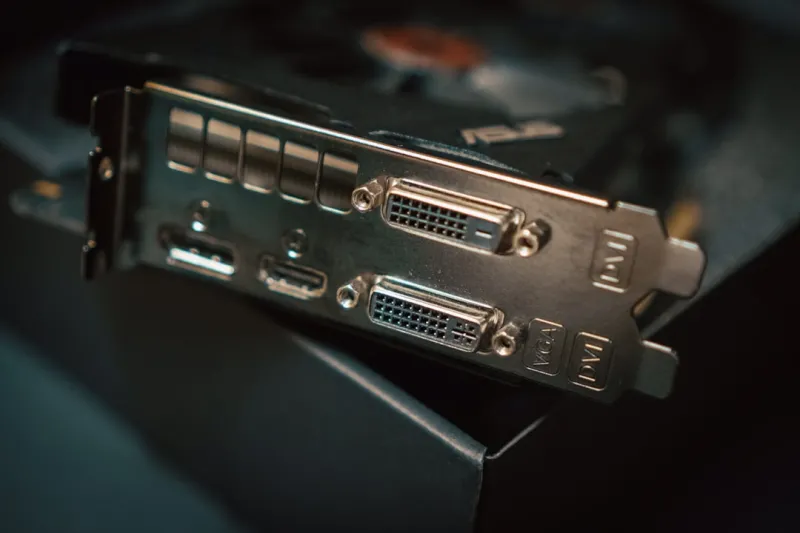
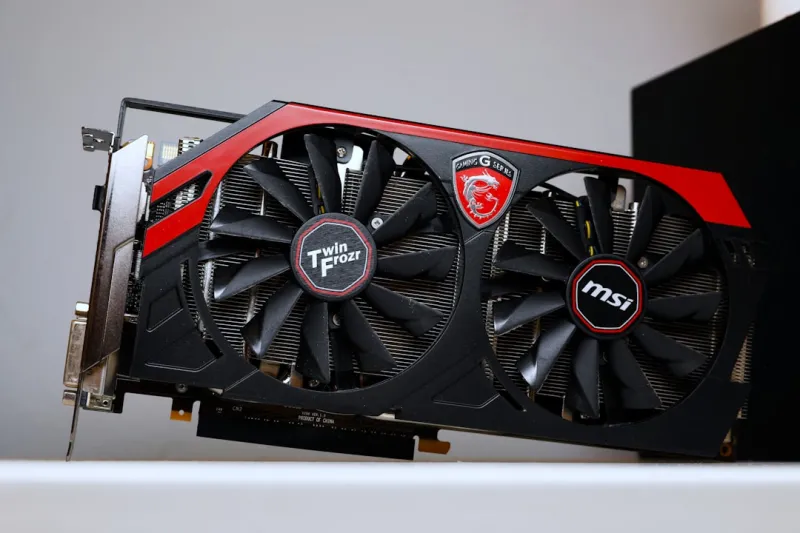
Before you dive into software, give the GPU a thorough physical inspection. A loose PCIe slot can cause intermittent signal loss that manifests as flickering or sudden blackouts. Power delivery is equally critical; ensure the 6‑pin or 8‑pin connectors are firmly seated and that your PSU supplies enough wattage for the card’s peak draw, especially under heavy AI workloads that modern GPUs now handle. Dust accumulation is another silent killer—clogged heatsinks and fan blades dramatically raise operating temperatures, prompting thermal throttling or outright shutdowns. Use compressed air to clear the fins, and consider reapplying high‑quality thermal paste if temperatures remain high after cleaning. While you’re at it, verify that the GPU’s fan curves are set appropriately in your BIOS or through vendor software; aggressive fan profiles can prevent temperature spikes that lead to instability.
Driver Stack Deep Dive: Clean Installs and Windows Integration
Drivers are the software glue that translates OS calls into GPU actions, and in 2026 they have become more sophisticated—integrating AI‑based optimizations and dynamic power management. However, that complexity also introduces new failure points. Begin by uninstalling the existing driver package with a tool like DDU (Display Driver Uninstaller) in Safe Mode to purge leftover files and registry entries. Then download the latest WHQL‑certified driver directly from the GPU vendor, matching it to your Windows 2026 build to avoid compatibility mismatches. After installation, use the Windows Device Manager to confirm that the driver version aligns with the release notes. If you still encounter crashes, roll back to a known stable version—often the previous quarter’s driver—while you wait for a hotfix. For power users who rely heavily on GPU‑accelerated workloads, consider disabling optional Windows features such as “Hardware‑accelerated GPU scheduling” if they prove unstable in your specific configuration.
Firmware and BIOS Updates: Aligning the Card with System Evolution
Just as operating systems receive regular patches, GPUs get firmware updates that address stability, power efficiency, and security concerns. In 2026, many manufacturers release BIOS flashes that improve compatibility with the latest PCIe 5.0 specifications and AI inference workloads. Check the vendor’s support portal for a firmware version that matches your card’s SKU, and follow the flashing instructions carefully—an interrupted flash can brick the GPU. Additionally, update your motherboard BIOS to the latest revision, especially if you’re running a high‑performance chipset that supports PCIe bifurcation or advanced power delivery features. These updates often resolve obscure issues like “PCIe link training error” that can masquerade as GPU faults. For a deeper dive into why firmware matters, see my post on Windows Unleashed: How AI, Security, and Performance Redefine Power‑User Computing.
Stress Testing and Benchmarking: Proving the Fix Works
After making hardware and driver changes, you need objective data to confirm the issue is resolved. Stress‑testing tools such as OCCT, FurMark, or the built‑in Windows GPU Stress Test can push the card to its limits, exposing thermal or power delivery flaws that might not appear under light loads. Run a baseline test before any changes, record temperatures, clock speeds, and error counts, then repeat the test after each modification. Pay close attention to the GPU’s power draw—spikes beyond the rated TDP could indicate a failing VRM on the card or an inadequate PSU. Benchmarking suites like 3DMark or SPECviewperf give you performance numbers you can compare against the manufacturer’s specifications; a significant deviation often points to lingering driver or firmware issues. Document these results in a simple spreadsheet; this evidence is invaluable if you need to file an RMA claim.
When to RMA: Understanding Warranty and Vendor Support
If the GPU continues to fail despite thorough diagnostics, it’s time to consider a Return Merchandise Authorization (RMA). Most manufacturers offer a three‑year warranty for high‑end cards, but the terms can vary—some require proof of proper cooling and power setup before honoring a claim. Gather all your diagnostic logs, stress‑test results, and photos of the card’s interior to build a compelling case. When contacting support, be concise: state the exact error codes, the steps you’ve taken, and the outcomes of your stress tests. Many vendors have online ticket systems that speed up the process, and in 2026, AI‑driven chatbots can triage your issue before a human technician steps in. Remember that shipping the card in its original packaging, with anti‑static precautions, reduces the chance of damage during transit.
Future‑Proofing Your GPU Setup: Building for AI and Ray Tracing
Looking ahead, the next wave of graphics workloads will blend real‑time ray tracing with on‑board AI inference, demanding more from both hardware and software. When planning an upgrade, prioritize GPUs that support the latest DLSS or XeSS equivalents, as these technologies offload AI processing to dedicated tensor cores, reducing strain on the main shaders. Pair your card with a high‑bandwidth PCIe 5.0 slot and a PSU that exceeds the card’s peak power draw by at least 20% to accommodate future driver optimizations that may push the card harder. For a broader view on constructing a power‑user machine that can handle AI workloads, check out my article on Unlocking AI Computing: Building a Future‑Proof Power‑User Machine. By anticipating these trends now, you’ll avoid the headache of frequent upgrades and keep your system performing at the cutting edge.
Wrapping Up: A Systematic Mindset for GPU Health
In my years of troubleshooting video cards, I’ve learned that a methodical, evidence‑based approach saves time and frustration. Start with a clear symptom log, verify power and thermal conditions, perform clean driver cycles, and don’t skip firmware updates. Use stress testing to validate each step, and be prepared to leverage your warranty if the hardware proves defective. By treating the GPU as a dynamic component that evolves alongside software—especially with AI and ray tracing becoming mainstream—you’ll maintain a resilient system that meets the demanding workloads of today’s power users. For more in‑depth troubleshooting techniques, see my detailed guide Mastering GPU Troubleshooting: A Practical Guide for 2026. Stay proactive, keep your logs tidy, and your graphics will stay rock solid.