When I first cracked open a custom rig back in the early 2020s, the hardware landscape felt like a wild frontier—every new component promised a leap in performance, yet the road to a truly balanced system was littered with compatibility potholes. Fast‑forward to 2026, and the scene has matured into a sophisticated ecosystem where every decision, from the CPU socket to the type of SATA cable you choose, reverberates through your workflow. As a long‑time power‑user who lives on the edge of code compilation, 3‑D rendering, and real‑time streaming, I’ve learned that the secret isn’t just stacking the latest specs, but weaving them together into a cohesive, future‑proof tapestry. In this article, I’ll walk you through the hardware trends that matter most right now, share the strategic mindset that keeps my builds humming for years, and highlight the key upgrades you can’t afford to ignore if you want to stay ahead of the curve.
CPU Evolution: More Cores, Smarter Architecture
The central processing unit remains the beating heart of any power‑user machine, and 2026 has ushered in a new generation of chips that blend massive core counts with AI‑driven instruction scheduling. Today’s flagship processors sport up to 64 high‑performance cores, each equipped with dedicated machine‑learning accelerators that offload tasks like image upscaling and predictive caching. This shift means that raw clock speed alone is no longer the sole metric of performance; instead, efficiency per watt and the ability to dynamically allocate cores to parallel workloads dictate real‑world speed. For developers who compile massive codebases or creators rendering 8K video, the difference between a 12‑core and a 32‑core setup is palpable—compile times can drop by half, and render queues clear in a fraction of the time. My own build now leverages a 48‑core beast with a hybrid architecture, allowing me to run virtual machines, containers, and heavy‑duty simulations simultaneously without throttling.
GPU and AI Acceleration: The New Powerhouse Duo
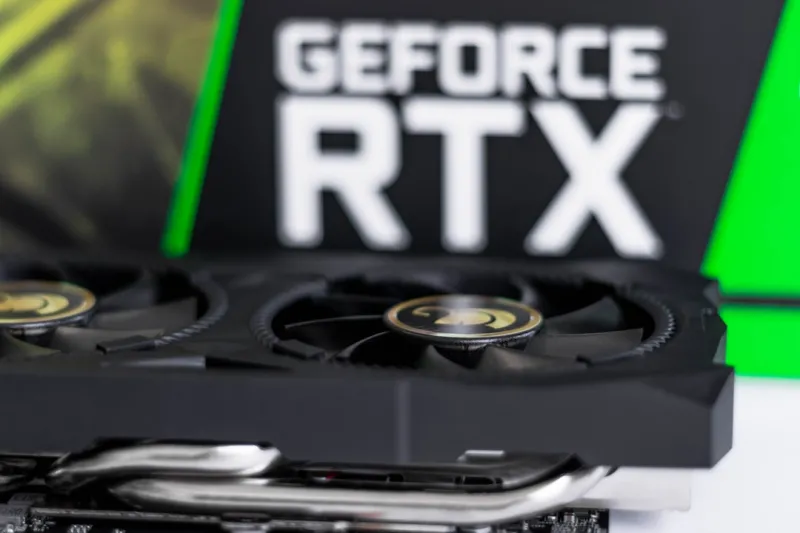
Graphics processing units have transcended their original role of rasterizing frames; they’re now the go‑to accelerators for AI inference, scientific modeling, and real‑time ray tracing. The latest RTX‑9000 series introduces dedicated tensor cores that can handle up to 1 petaflop of AI workloads, making tasks like neural style transfer or on‑the‑fly video upscaling feel instantaneous. However, pairing a monstrous GPU with a modest CPU is a recipe for bottlenecks. The key is a balanced architecture where PCIe 5.0 lanes are fully utilized, and system memory bandwidth keeps pace with the GPU’s appetite. In my experience, a dual‑GPU setup linked via NVLink provides the bandwidth needed for massive datasets, while still leaving room for CPU‑intensive processes. If you’re a content creator or a data scientist, consider a GPU that offers both high VRAM—32 GB or more—and robust driver support for the AI frameworks you rely on, such as TensorFlow or PyTorch.
Motherboard Choices: The Unsung Hero of Stability
Choosing the right motherboard is like selecting a solid foundation for a skyscraper; a weak base can collapse even the most impressive superstructure. In 2026, the Why Motherboard Choices Matter More Than Ever for Power Users article outlines how modern boards now incorporate advanced power delivery modules, dual‑chipset designs, and integrated firmware that can patch security vulnerabilities on the fly. Look for motherboards with 20 + phase VRM designs, DDR5 support up to 6400 MT/s, and ample M.2 slots with PCIe 5.0 connectivity. I’ve migrated to a board that offers eight DIMM slots, each capable of supporting ECC memory—essential for mission‑critical workloads where data integrity can’t be compromised. Additionally, native support for Thunderbolt 4 and USB4 ensures future peripherals can plug in without needing adapters, streamlining your desk setup and reducing clutter.
Storage Strategy: SSDs, NVMe, and the Persistent Role of Hard Drives
When it comes to data throughput, the storage hierarchy has become a multi‑layered orchestra. NVMe 2.0 drives now deliver sequential reads exceeding 12 GB/s, and their latency sits in the microsecond range—perfect for loading massive game worlds or compiling codebases in seconds. Yet, hard drives have not been relegated to the attic; they still offer a cost‑effective solution for archival storage and large media libraries. My recent read, Choosing a Hard Drive That Keeps You Ahead of the Curve, emphasizes the importance of 12 Gb/s SATA III drives with advanced shingled magnetic recording (SMR) for sequential writes. By pairing a fast NVMe boot drive with a high‑capacity 10 TB HDD for raw footage and backups, I achieve both blistering performance and economical storage. Don’t forget to enable Windows 12’s Storage Spaces Direct to pool these devices together, creating a resilient, tiered storage solution that automatically migrates hot data to the SSD tier while keeping cold data on the HDD.
Power Delivery: Efficiency Meets Modularity
The power supply unit (PSU) is often the most overlooked component, yet in a power‑hungry build it can make or break stability. Today’s 80 Plus Platinum and Titanium certified PSUs offer efficiencies above 96%, reducing heat output and electricity costs—crucial for anyone running a workstation 12 hours a day. Modular designs have become the norm, allowing you to route cables cleanly and improve airflow. I recently upgraded to a 1200 W, fully modular unit with a digital monitoring interface that reports voltage ripple and power factor in real time. This level of granularity lets you catch potential issues before they manifest as system crashes or component degradation. For those pushing the envelope with multi‑GPU rigs, consider a PSU with multiple +12 V rails and built‑in protections against over‑current and over‑voltage to safeguard your investment.
Cooling Innovations: From Vapor Chambers to AI‑Controlled Fans
Thermal management has evolved from simple air cooling to sophisticated, AI‑driven ecosystems that adapt to workload changes on the fly. Modern AIO liquid coolers now feature dual‑radiator setups with integrated vapor chambers that spread heat more evenly across the fins, while pump speeds adjust automatically based on CPU temperature curves. On the motherboard side, smart fan controllers leverage machine learning algorithms to predict temperature spikes and preemptively boost fan speeds, reducing thermal throttling without sacrificing acoustics. In my current build, a hybrid cooling loop combines a 360 mm AIO for the CPU with a custom water‑cooled loop for the GPU, both monitored via a dedicated dashboard that syncs with my smart home hub. The result? Sub‑50 °C idle temperatures and sustained performance even under prolonged 8‑hour rendering sessions.
Future‑Proofing: Modular Upgrades and Firmware Longevity
Investing in a future‑ready rig means anticipating the next wave of technology without committing to a full rebuild every 12‑18 months. One strategy I champion is choosing components with extensive firmware support and a clear upgrade path. For example, many current motherboards support BIOS flash‑back via USB, allowing you to update the firmware even without a CPU installed—a lifesaver when a new CPU generation is released. Additionally, opting for a chassis with ample drive bays, extra PCIe slots, and a robust power delivery system means you can add new GPUs, storage, or networking cards as they become relevant. My own setup follows the “building blocks” philosophy: a high‑capacity PSU, a motherboard with 12 + PCIe lanes, and a case that accommodates up to three 360 mm radiators. Pair this with the insights from Future‑Ready PC Build: Hardware Strategies for Power Users, and you’ll have a platform that stays competitive for at least five years.
Conclusion: Crafting a Balanced, Resilient Power‑User Machine
In the end, a power‑user build is less about chasing the highest‑end specs in isolation and more about harmonizing each component to serve a common purpose. By focusing on CPU‑GPU synergy, selecting a motherboard that offers robust power delivery and future connectivity, layering fast NVMe storage with reliable HDD capacity, and embracing intelligent cooling and power solutions, you create a system that not only excels today but adapts gracefully to tomorrow’s demands. Remember, the most rewarding builds are those that evolve with you—so keep an eye on firmware updates, stay informed about emerging standards like PCIe 6.0, and never underestimate the value of a well‑thought‑out upgrade path. Happy building, and may your rigs run cool, quiet, and perpetually ahead of the curve.