Troubleshooting Video Card Issues: A Comprehensive Guide
As a computer enthusiast, I've encountered my fair share of video card issues. From graphics card overheating to driver conflicts, troubleshooting video card problems can be a daunting task. In this article, I'll share my expertise on how to diagnose and fix common video card issues. Whether you're a gamer, a graphics designer, or simply a computer user, this guide will help you resolve video card problems and get your system running smoothly.
Understanding Video Card Basics
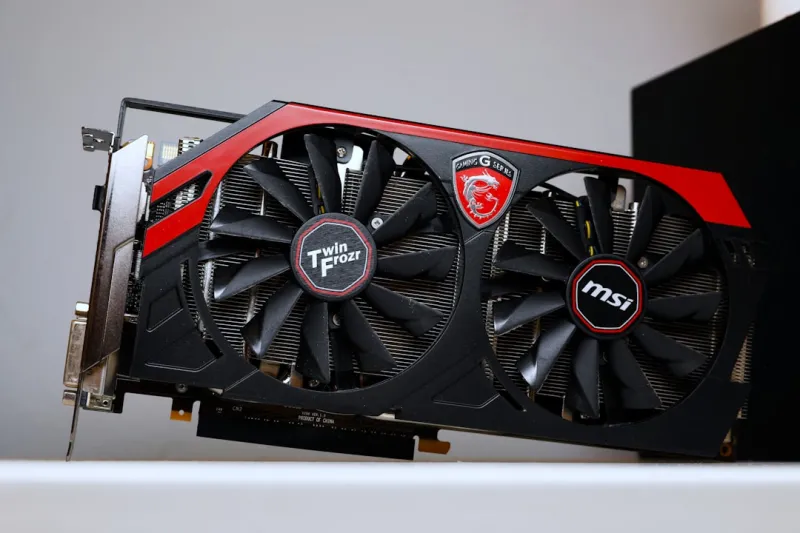
Before we dive into troubleshooting, it's essential to understand the basics of video cards. A video card, also known as a graphics card, is a component that controls the output display on your computer. It's responsible for rendering images, videos, and games on your screen. Video cards come in different types, including integrated and discrete graphics cards. Integrated graphics cards are built into the CPU or motherboard, while discrete graphics cards are separate components that connect to the motherboard.
Common Video Card Issues
Video card issues can manifest in various ways, including:
- No display or a blank screen
- Graphics corruption or artifacts
- Screen flickering or freezing
- Overheating or loud fan noise
- Driver errors or conflicts
These issues can be caused by a variety of factors, including hardware failure, driver problems, overheating, or power supply issues. In the following sections, we'll explore how to troubleshoot and fix these common video card issues.
Troubleshooting Video Card Issues
To troubleshoot video card issues, you'll need to identify the symptoms and potential causes. Here are some steps to follow:
- Check the video card connections: Ensure that the video card is properly seated and connected to the motherboard and power supply.
- Update drivers: Outdated or corrupt drivers can cause video card issues. Updating drivers can often resolve the problem.
- Run a stress test: Tools like FurMark or Unigine Heaven can help you test the video card's performance and identify potential issues.
- Monitor temperatures: Overheating can cause video card issues. Use software like GPU-Z or HWiNFO to monitor temperatures and adjust the cooling system as needed.
By following these steps, you can identify and fix common video card issues. However, if the problem persists, it may be necessary to replace the video card or seek professional help.
The Importance of Driver Updates
Driver updates are crucial for maintaining video card performance and stability. Outdated drivers can cause a range of issues, including graphics corruption, screen flickering, and system crashes. To ensure that your video card drivers are up-to-date, follow these steps:
- Check the manufacturer's website: Look for driver updates on the video card manufacturer's website.
- Use a driver update tool: Tools like Driver Booster or Driver Talent can help you update drivers quickly and easily.
- Disable automatic driver updates: Some operating systems may automatically update drivers. Disable this feature to prevent potential conflicts.
By keeping your drivers up-to-date, you can ensure that your video card runs smoothly and efficiently.
Preventing Video Card Issues
Prevention is the best way to avoid video card issues. Here are some tips to help you prevent common problems:
- Monitor temperatures: Regularly check temperatures to prevent overheating.
- Clean dust: Regularly clean dust from the video card and surrounding components.
- Update drivers: Regularly update drivers to ensure compatibility and stability.
- Use a high-quality power supply: A high-quality power supply can help prevent power-related issues.
By following these tips, you can help prevent video card issues and ensure that your system runs smoothly.
The Impact of Malware on Video Cards
Malware can have a significant impact on video card performance. Malware can cause a range of issues, including graphics corruption, screen flickering, and system crashes. To protect your video card from malware, follow these tips:
- Use antivirus software: Install and regularly update antivirus software.
- Avoid suspicious downloads: Be cautious when downloading software or files from unknown sources.
- Use a firewall: Enable the firewall to block unauthorized access to your system.
By taking these precautions, you can help protect your video card from malware and ensure that your system runs smoothly.
Conclusion
In conclusion, troubleshooting video card issues requires patience, persistence, and a basic understanding of computer hardware. By following the steps outlined in this article, you can diagnose and fix common video card issues. Remember to update drivers, monitor temperatures, and prevent malware to ensure that your video card runs smoothly and efficiently. If you're still experiencing issues, consider seeking professional help or replacing the video card.