The Evolution of Computer Hardware: A Comprehensive Overview
As we continue to push the boundaries of what is possible with computer technology, it's essential to take a step back and appreciate the incredible advancements that have been made in computer hardware over the years. From the early days of computing to the present, computer hardware has undergone significant transformations, driven by innovations in materials science, manufacturing techniques, and design. In this article, we'll explore the evolution of computer hardware, highlighting key trends, threats, and solutions that have shaped the industry into what it is today.
The Early Days of Computing
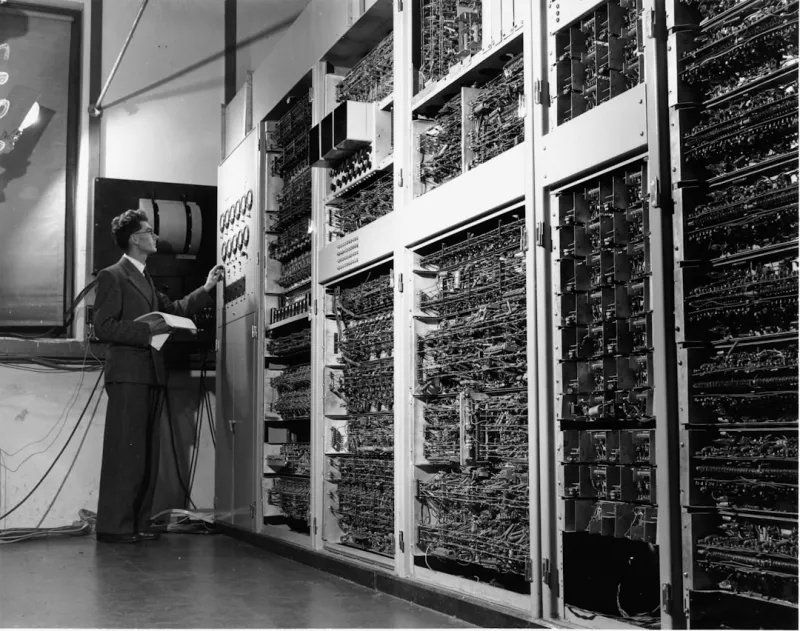
The first computers were massive machines that took up entire rooms and used vacuum tubes to process information. These early computers were used primarily for scientific and military applications, and their hardware was custom-built for specific tasks. As computers evolved, the introduction of transistors and integrated circuits led to significant reductions in size, power consumption, and cost. The development of the microprocessor in the 1970s revolutionized the industry, enabling the creation of personal computers that could be used by individuals and small businesses.
The Rise of the Personal Computer
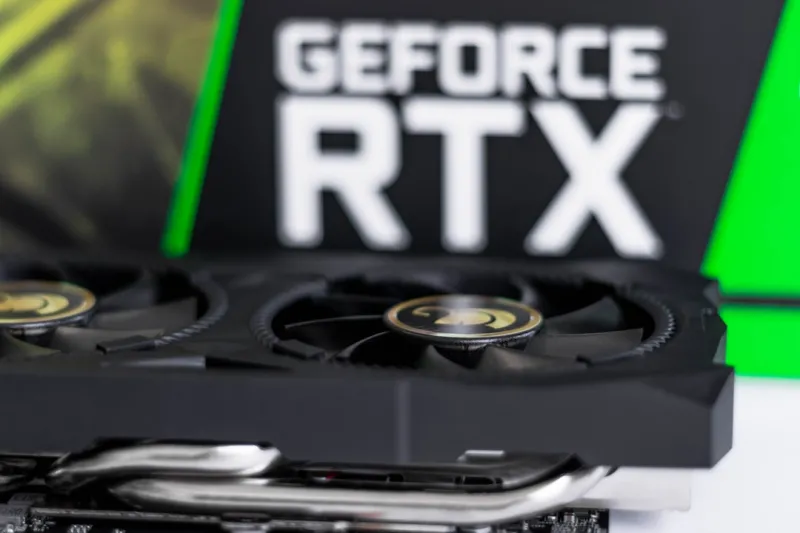
The 1980s saw the rise of the personal computer, with the introduction of the IBM PC and Apple Macintosh. These computers were designed to be user-friendly and affordable, making them accessible to a wider audience. The hardware components of these early PCs were relatively simple, with a central processing unit (CPU), memory, and storage devices. However, as the demand for more powerful and feature-rich computers grew, manufacturers began to develop new hardware components, such as graphics cards, sound cards, and network interface cards.
The Era of Mobile Computing
The 1990s and 2000s saw the emergence of mobile computing, with the introduction of laptops, notebooks, and netbooks. These devices were designed to be portable and lightweight, with longer battery life and improved performance. The hardware components of these mobile devices were optimized for power efficiency, with advancements in CPU design, memory, and storage. The rise of mobile computing also led to the development of new hardware components, such as touchscreens, GPS, and mobile broadband modules.
The Future of Computer Hardware
Today, the computer hardware industry is on the cusp of a new era of innovation, driven by advancements in artificial intelligence, machine learning, and the Internet of Things (IoT). The future of computer hardware will be shaped by trends such as edge computing, quantum computing, and neuromorphic computing. These emerging technologies will enable computers to process vast amounts of data more efficiently, make complex decisions in real-time, and interact with humans in more natural and intuitive ways.
The Evolution of Storage
One of the most significant advancements in computer hardware has been in storage technology. From the early days of magnetic tapes and floppy disks to the present-day solid-state drives (SSDs) and cloud storage, storage has become faster, more reliable, and more affordable. The evolution of hard drives has been a remarkable journey, with advancements in areal density, storage capacity, and access times. Today, SSDs offer unparalleled performance, with read and write speeds that are orders of magnitude faster than traditional hard disk drives (HDDs).
The Importance of Security
As computer hardware continues to evolve, security has become a growing concern. The increasing reliance on connected devices and the Internet of Things (IoT) has created new vulnerabilities and threats. Staying safe in the digital age requires a comprehensive approach to security, including hardware-based security features, software-based security solutions, and user education. By prioritizing security, we can ensure that the benefits of computer hardware are not compromised by the risks of cyber threats.
Upgrading and Troubleshooting
As computer hardware continues to evolve, it's essential to understand how to upgrade and troubleshoot common issues. Troubleshooting memory issues is a critical aspect of computer maintenance, as faulty RAM can cause system crashes, data loss, and decreased performance. By understanding how to diagnose and fix common hardware issues, users can extend the life of their devices and ensure optimal performance.
Conclusion
In conclusion, the evolution of computer hardware has been a remarkable journey, driven by innovations in materials science, manufacturing techniques, and design. From the early days of computing to the present, computer hardware has undergone significant transformations, enabling computers to become faster, smaller, and more powerful. As we look to the future, it's essential to prioritize security, upgradeability, and sustainability, ensuring that the benefits of computer hardware are accessible to everyone.