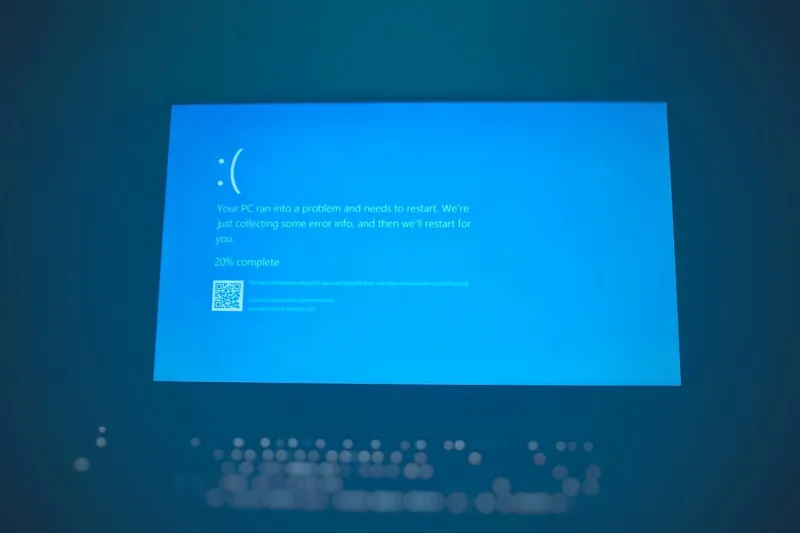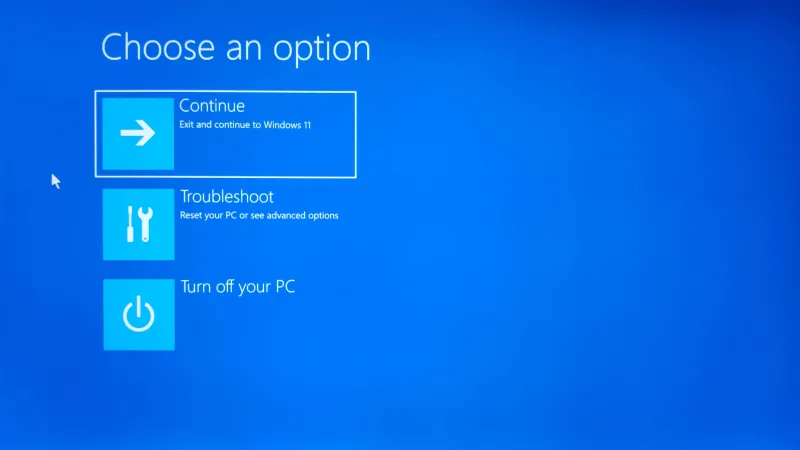
When I first saw the dreaded blue screen flicker across my monitor back in the early 2020s, I thought it was the digital equivalent of a heart attack—sudden, terrifying, and utterly preventable with the right knowledge. Fast forward to 2026, and the Blue Screen of Death (BSOD) remains a stubborn reminder that even the most meticulously tuned power‑user rigs can stumble. In my daily grind as a Windows aficionado, I’ve learned that the BSOD is less about hardware failure and more about a delicate dance between drivers, firmware, and the operating system’s kernel. By dissecting the most common error codes—like CRITICAL_PROCESS_DIED or MEMORY_MANAGEMENT—we can turn a panic‑inducing event into a diagnostic treasure map. This article dives deep into the modern causes of blue screens, the tools we now have at our fingertips, and the proactive steps you can take to keep your workflow humming without those ominous blue interruptions.
Understanding the Modern BSOD Landscape
In 2026, Windows has become a marvel of modular architecture, allowing users to swap out components and services on the fly. While this flexibility fuels creativity, it also opens doors for mismatched drivers and firmware quirks that trigger BSODs. One of the biggest shifts this year is the rise of UEFI Secure Boot combined with AI‑driven driver signing, which can reject legacy drivers that once worked flawlessly. Add to that the proliferation of high‑performance PCIe 5.0 devices, and you have a perfect storm for memory‑related crashes. The error messages you see on the screen—often cryptic hexadecimal codes—are actually pointers to specific modules or memory addresses that failed. Learning to read these clues, such as “PFN_LIST_CORRUPT” indicating a page‑frame‑number list issue, is essential. Modern diagnostic tools like Windows Event Viewer, WinDbg, and the new Kernel Memory Analyzer can translate these codes into actionable insights, empowering you to pinpoint the exact driver or firmware version at fault.
Driver Hygiene: The First Line of Defense
Drivers are the lifeblood of any power‑user PC, and their health directly impacts BSOD frequency. In my experience, the most common culprit is outdated graphics drivers clashing with the latest DirectX updates. The solution? Adopt a disciplined driver update schedule that aligns with Windows Update’s release cadence. Use the built‑in Device Manager to roll back problematic drivers, but also consider third‑party tools like Driver Booster Pro for automated snapshots before each change. Another often overlooked area is chipset firmware; the new Intel 13th‑gen motherboards released this year bring advanced power‑management features that can miscommunicate with older SSD controllers. When you notice a sudden surge in IRQL_NOT_LESS_OR_EQUAL errors, it’s a sign that a chipset driver might be out of sync. By maintaining driver hygiene, you dramatically reduce the chance of a BSOD interrupting your workflow.
Memory Management in the Age of DDR5
DDR5 memory has become the standard for high‑end builds, offering unprecedented bandwidth but also demanding meticulous configuration. Incorrect XMP profiles or mismatched timings can cause subtle memory corruption that only surfaces as a BSOD under heavy load. I always start by running the built‑in Windows Memory Diagnostic, followed by a more thorough MemTest86+ run for at least three passes. If errors appear, I dive into the BIOS to fine‑tune voltage and latency settings manually. In addition, Windows 2026 introduced a new “Memory Integrity” feature in Core Isolation that protects critical kernel structures. While it’s a fantastic security layer, it can conflict with third‑party anti‑cheat modules used in gaming or certain virtualization tools, leading to a MEMORY_MANAGEMENT crash. Balancing performance and stability often means toggling this feature based on your primary use case—gaming versus professional workloads.
Firmware Updates: The Silent Guardians
Many power‑users overlook firmware as a source of blue screens, but in 2026 it’s more crucial than ever. SSD firmware, especially for NVMe drives, now includes AI‑based wear‑leveling algorithms that interact directly with the Windows storage stack. A mismatched firmware version can cause the NVME_UNCORRECTABLE_ERROR BSOD, which is notoriously hard to troubleshoot because the error appears to come from the storage driver itself. My routine includes checking the manufacturer’s release notes for each SSD and applying updates via their dedicated utilities. Similarly, BIOS updates can resolve hidden compatibility issues with new CPUs or PCIe devices. However, flashing BIOS is a high‑risk operation; always back up your current BIOS image and ensure you have a reliable power source. The effort pays off, turning what could be a catastrophic crash into a seamless, stable experience.
Power‑User Tools for Real‑Time BSOD Prevention
Beyond the standard Windows utilities, there’s a growing ecosystem of third‑party tools that give you a heads‑up before a BSOD strikes. Process Monitor can track driver loading sequences in real time, while LatencyMon flags any kernel‑mode drivers that introduce latency spikes—often a precursor to a crash. I also rely on the newer CrashDump Analyzer, which automatically uploads minidumps to the cloud and correlates them with known issues from the Microsoft Knowledge Base. This proactive approach turns each crash into a learning opportunity. For those who love automation, setting up a PowerShell script that watches the %SystemRoot%\Minidump folder and emails you a detailed report can save hours of manual digging. By integrating these tools into your daily maintenance routine, you shift from a reactive to a preventative stance, keeping the blue screen at bay.
When Software Meets Hardware: The Compatibility Challenge
One of the most perplexing BSOD scenarios I’ve encountered involves a seemingly innocuous software update that collides with a recent hardware upgrade. Take, for instance, the latest AI‑accelerated video editing suite released in early 2026. It leverages GPU compute shaders extensively, but if your GPU driver isn’t patched for the new DirectX 13.1 API, you’ll see a DRIVER_IRQL_NOT_LESS_OR_EQUAL crash during rendering. The fix often lies in a coordinated update—both the application and the graphics driver must be in sync. This is why staying current with the Critical 2026 Updates Every Power‑User Must Navigate page is essential; it aggregates the most pressing software and firmware patches across the ecosystem. By cross‑referencing your installed software with these curated lists, you can preempt incompatibility issues before they manifest as a blue screen.
Building a BSOD‑Resilient System: Best Practices
When I design a power‑user rig, I treat BSOD resilience as a core design principle. First, I select components with proven driver support—brands that release frequent updates and maintain open communication with Microsoft. Second, I implement a multi‑tiered backup strategy: system restore points, regular image backups via tools like Macrium Reflect, and a separate recovery partition. Third, I configure Windows to generate complete memory dumps, which provide a wealth of data for post‑mortem analysis. Finally, I enforce a disciplined update policy: weekly driver checks, monthly firmware reviews, and quarterly clean installs of Windows to flush out lingering registry bloat. By combining these practices with vigilant monitoring, you create a system that not only recovers gracefully from crashes but also minimizes their occurrence. The result is a workstation that lets you push the limits of performance without the looming threat of a blue screen.
Looking Ahead: AI‑Driven Diagnostics and the Future of BSOD
Looking ahead, the next frontier in blue‑screen prevention lies in AI‑driven diagnostics. Microsoft’s latest Windows Insider build introduces a real‑time anomaly detection engine that learns your system’s normal behavior and flags deviations before they cause a crash. Imagine a scenario where the OS detects an emerging driver memory leak and automatically isolates the offending module, all while notifying you via the Action Center. As a power‑user, embracing these AI tools means less time troubleshooting and more time innovating. In the meantime, staying educated—reading posts like Unlocking the Full Potential of Modern Operating Systems—and applying a systematic approach to updates and diagnostics will keep the blue screen from crashing your day. Remember, the BSOD is not a death sentence; it’s a signal that, with the right mindset and tools, can be turned into a stepping stone toward a more robust, future‑proof system.