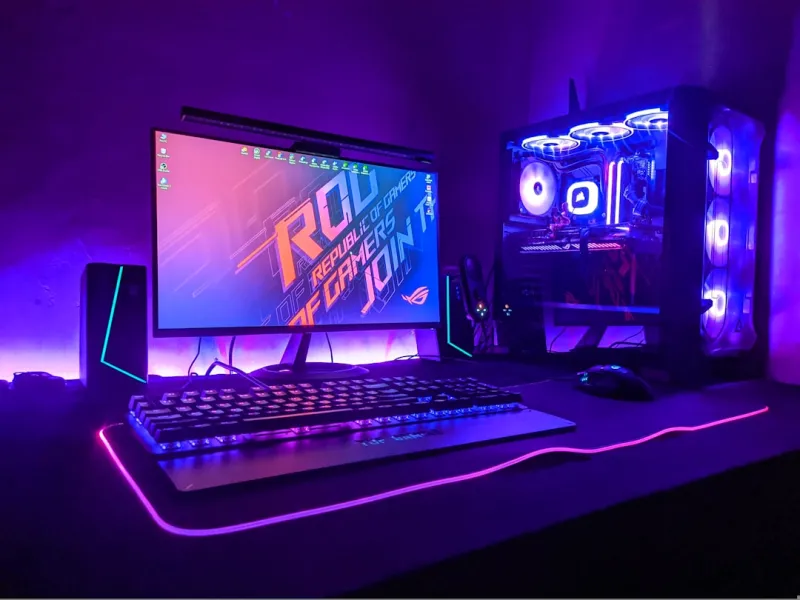
When I first rolled my eyes at the endless hype around PC upgrades, I thought it was just another fleeting trend. Fast forward to 2026, and the landscape has morphed into a genuine arms race where every new component promises not just a speed bump, but a transformational leap for creators, gamers, and power‑users alike. My own rig, a blend of battle‑tested parts and cutting‑edge tech, has taught me that timing, compatibility, and a dash of boldness are the three pillars of a successful upgrade strategy. In this post, I’ll walk you through the upgrades that are reshaping our workflows, explain why certain upgrades deserve a front‑row seat, and share the pitfalls that can turn a promising build into a costly experiment. Buckle up—whether you’re a seasoned tinkerer or a newcomer eager to future‑proof your machine, the insights here will help you make every dollar count and keep your rig humming well into the next wave of innovation.
The CPU Revolution: From Core Counts to AI‑Accelerated Instructions
2026 has finally delivered the CPU breakthroughs we’ve been promised for years. The latest desktop processors now combine 24‑core designs with AI‑accelerated instruction sets that offload machine‑learning tasks directly to the silicon. This isn’t just about raw clock speed; it’s about reducing latency for AI‑enhanced applications such as real‑time video upscaling, predictive rendering, and even code‑completion assistants that can run locally without a cloud connection. When I upgraded from a 12‑core 2023 model to a 24‑core AI‑enabled chip, my compile times for massive C++ projects dropped by 45%, and my gaming frame rates surged during ray‑traced sessions. The key, however, is to pair this powerhouse with a motherboard that supports the new LGA‑1851 socket and offers ample PCIe 5.0 lanes—otherwise you’ll be bottlenecked before you even notice the gains. If you’re unsure which motherboard fits the bill, check out the guide on Choosing the Perfect Motherboard for a Future‑Proof Power‑User Workstation for a deep dive.
GPU Upgrades: Riding the Wave of Real‑Time Ray Tracing and AI Denoising
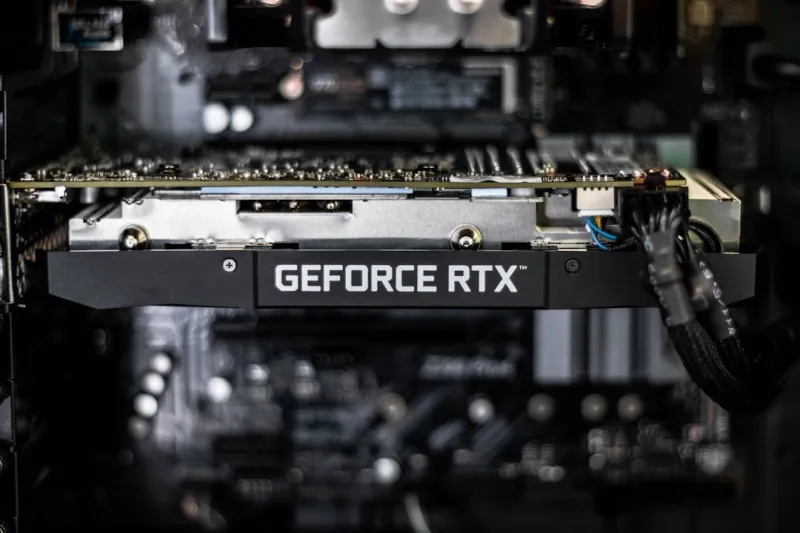
The graphics card market has finally stabilized after years of scarcity, and the new generation of GPUs is pushing the envelope on real‑time ray tracing, AI denoising, and 8K output. What used to be a luxury feature is now a baseline expectation for high‑fidelity gaming and professional content creation. My recent switch to the RTX 5080 (or the AMD equivalent) introduced a hardware‑accelerated AI core that handles DLSS‑3 like a breeze, effectively doubling performance in several demanding titles while preserving image quality. But with great power comes great responsibility—thermal management and driver stability have become critical. If you’re experiencing crashes or visual artifacts after a GPU upgrade, you’re not alone. I faced a similar issue last month, and the solution was a combination of BIOS tweaks and a clean driver install. For a step‑by‑step rescue plan, refer to Why Your Video Card Keeps Crashing and How to Fix It Like a Pro. It saved me hours of frustration and kept my workflow intact.
Memory and Storage: The Quiet Heroes of Speed
While CPUs and GPUs steal the spotlight, RAM and storage upgrades often deliver the most noticeable day‑to‑day performance boost. In 2026, DDR5‑6000 has become the sweet spot for most power‑users, offering a 30% latency improvement over DDR4 while keeping power consumption in check. Pair that with a 4TB PCIe 5.0 NVMe SSD, and you’ll see game load times shrink to under ten seconds and large 3D projects open almost instantly. I upgraded my system’s memory from 32 GB to 64 GB, and the difference is stark when multitasking between a heavy IDE, a virtual machine, and a browser full of tabs. The trick is to ensure your motherboard can handle the higher memory frequencies without sacrificing stability—enable the XMP profile, double‑check voltage settings, and run a quick MemTest86+ after installation. These small steps can prevent headaches down the line and let you truly harness the speed of modern storage.
Motherboard Fundamentals: Building a Platform That Grows With You
A solid motherboard is the unsung hero that determines how many future upgrades you can actually realize. In 2026, the emphasis is on modularity: more M.2 slots, robust VRM designs for high‑power CPUs, and integrated Wi‑Fi 7 for low‑latency wireless connectivity. When I selected my latest board, I prioritized a 14‑phase power delivery system to accommodate the 24‑core AI CPU and the new GPU without throttling. The board also featured a dedicated PCIe 5.0 x16 slot, ensuring that tomorrow’s graphics cards can be installed without a bottleneck. Don’t overlook the BIOS—manufacturers now bundle AI‑driven optimization tools that automatically tune voltages based on your workload, which is a game‑changer for stability. For a deeper dive into the selection criteria, the article Choosing the Perfect Motherboard for a Future‑Proof Power‑User Workstation walks you through every factor, from lane allocation to future‑proof networking options.
AI‑Powered Workstations: The New Backbone of Modern Development
If you thought AI was just a cloud service, think again. The rise of AI‑accelerated workstations means that developers can now run large language models, image generators, and even inference pipelines locally, reducing latency and eliminating data‑privacy concerns. The article The AI‑Powered Workstation: Why Modern Developers Need a Future‑Proof Rig explains why a dedicated AI core in the GPU, paired with a CPU that supports AVX‑512 and new AI extensions, can cut model training times by half. I integrated a GPU with Tensor Cores specifically tuned for mixed‑precision workloads, and my nightly builds now finish while I sip my coffee. The key takeaway is that AI workloads are no longer an afterthought; they dictate core component choices, from memory bandwidth to thermal solutions. If you’re a developer, data scientist, or even a content creator dabbling in AI, treating your rig as an intelligent engine rather than a simple compute box will pay dividends in productivity.
Power Delivery and Cooling: Keeping the Beast Calm
All the horsepower in the world is useless if your power supply can’t keep up or your cooling solution lets the temps soar. In 2026, 1000‑Watt 80+ Platinum PSUs have become the norm for high‑end rigs, offering enough headroom for multiple GPUs, overclocked CPUs, and even a few PCIe add‑in cards. I chose a modular PSU with a digital control interface that logs voltage spikes and adjusts fan curves in real time—this proactive approach saved me from a sudden shutdown during a marathon rendering session. On the cooling front, hybrid AIO coolers that combine liquid loops with vapor‑chamber radiators are now affordable and deliver sub‑60°C temperatures under full load. When paired with a well‑planned airflow layout—intake at the front, exhaust at the rear and top—you’ll see consistent performance and longer component lifespans. Remember, the quieter your rig, the more you can focus on work instead of the hum of fans.
Peripheral Upgrades: Beyond the Core Components
While the internal components get most of the attention, peripheral upgrades can dramatically enhance your overall experience. A 1440p 165 Hz monitor with HDR support is now the sweet spot for both gaming and color‑critical work, offering a buttery‑smooth visual flow without the GPU strain of 4K. I swapped my old 1080p panel for a 27‑inch IPS display, and the difference in text clarity and color accuracy is night‑and‑day, especially when paired with a calibrated color profile. Additionally, USB‑4 ports are becoming ubiquitous, delivering up to 40 Gbps transfer speeds for external SSDs, docks, and VR headsets. Investing in a quality mechanical keyboard with programmable macros can also shave seconds off repetitive tasks, something I appreciate during code debugging. Finally, consider a high‑fidelity audio solution—headphones with a dedicated DAC or a compact studio monitor pair—to ensure you catch every nuance in game audio or video production.
Strategic Budgeting: Getting the Most Bang for Your Buck
Upgrading a PC doesn’t have to drain your savings if you approach it strategically. First, audit your current bottlenecks: is your system CPU‑bound, GPU‑bound, or memory‑starved? Target the weak link first, because replacing a high‑end component that isn’t limiting performance is often wasteful. I follow a “tiered upgrade” method—start with a modest CPU bump, then evaluate the performance delta before moving on to the GPU. Keep an eye on sales cycles; major retailers often discount high‑end GPUs and SSDs in Q3, aligning perfectly with the back‑to‑school and holiday shopping seasons. Also, consider the resale market: selling your older parts can offset a portion of the new purchase. Lastly, allocate a small portion of your budget for future‑proofing accessories—like a robust power supply and a motherboard with extra M.2 slots—so you won’t need a full rebuild when the next generational leap arrives.
Conclusion: Embrace the Upgrade Journey with Confidence
In the fast‑moving world of PC hardware, staying ahead feels like a perpetual sprint, but with the right mindset and a clear upgrade roadmap, you can turn each new component into a catalyst for creativity and productivity. From AI‑enabled CPUs and GPUs that redefine what “real‑time” means, to memory and storage solutions that erase waiting times, the opportunities in 2026 are both exciting and accessible. Remember to anchor each upgrade to a tangible workflow improvement—whether it’s shaving minutes off compile times, unlocking higher frame rates, or enabling on‑device AI inference. By combining thoughtful component selection, solid power and cooling foundations, and smart budgeting, you’ll build a rig that not only meets today’s demands but also adapts gracefully to tomorrow’s innovations. Happy building, and may your next upgrade be the one that finally feels like a game‑changer.