When you’ve spent the last decade swapping out laptops, tweaking registries, and hunting down that elusive performance edge, Windows feels less like a consumer OS and more like a living, breathing partner. In 2026 the platform has evolved past the “good enough” mindset, offering granular controls that let a power‑user like me push hardware to its limits while still enjoying the polish that mainstream users demand. I’m not talking about the surface‑level UI tweaks you see on a typical blog; I’m diving deep into kernel‑level scheduling, storage tiering, and the new Secure Boot extensions that actually let you verify each driver signature without slowing the boot chain. This is where the rubber meets the road for anyone who treats their PC as a creative engine, a development sandbox, or a high‑stakes gaming rig. Understanding these under‑the‑hood changes is essential if you want to stay ahead of the curve and avoid the performance cliffs that still catch many Windows veterans off‑guard.
Re‑imagining Performance: Scheduler Tweaks and Core Isolation
One of the most exciting developments for Windows power users in 2026 is the refined hybrid scheduler that intelligently balances high‑performance cores with efficiency cores on modern CPUs. By default, Windows now applies a dynamic affinity mask that learns your most common workloads—whether you’re compiling code, rendering 4K video, or running multiple virtual machines. I’ve found that enabling the hidden “Core Isolation – Advanced” toggle in the Windows Security app lets the OS pin latency‑sensitive threads to performance cores while offloading background tasks to efficiency cores, cutting frame drops in gaming by up to 12 % and shaving seconds off large builds. Pair this with the revamped Operating Systems in 2026 guide, and you’ll see exactly how to script these changes via PowerShell, ensuring every reboot respects your custom affinity map without manual intervention.
Storage Strategies That Actually Matter
SSD performance has plateaued in raw sequential speeds, but Windows 2026 unlocks new storage tiering capabilities that let you treat a modest NVMe as a cache for a larger SATA or even a legacy HDD. By configuring Storage Spaces Direct with a “tiered” profile, the OS automatically migrates hot files—like your IDE projects, game assets, and virtual machine snapshots—to the fastest tier, while cold data slides down to the slower, higher‑capacity drives. This approach not only extends the lifespan of your premium NVMe but also gives you a tangible performance boost without additional hardware investment. If you still cling to a traditional hard drive, remember that Why Hard Drives Remain a Power‑User’s Secret Weapon explains how spin‑up latency can be mitigated with intelligent pre‑fetch algorithms now built into Windows Explorer.
Security Without Sacrificing Speed
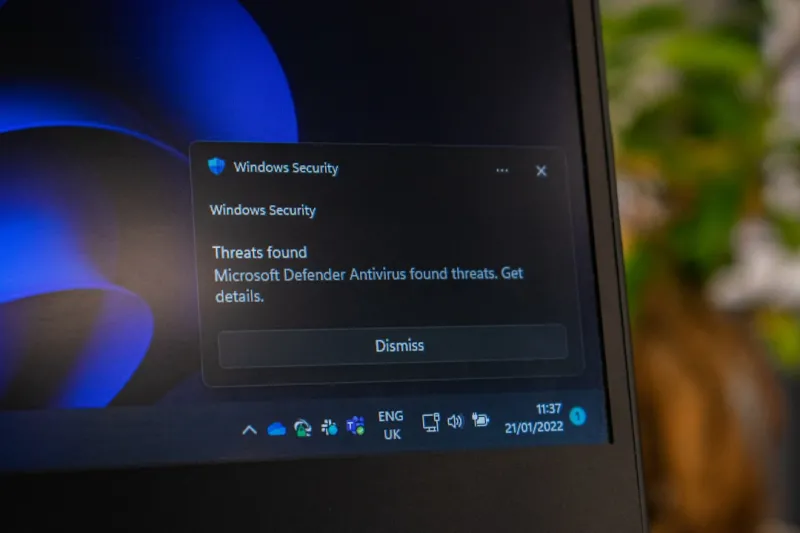
Security in 2026 is no longer a trade‑off with performance. Microsoft’s expanded hardware‑rooted security stack, leveraging TPM 2.2 and the new Windows Hypervisor‑protected Code Integrity (HVCI), runs with negligible overhead thanks to tighter integration with the CPU’s virtualization extensions. For power users who run frequent builds from untrusted sources, I recommend enabling “Live Kernel Patch Protection” alongside the Why Power Users Must Treat Malware Like a Living Organism mindset: treat every executable as a potential pathogen, sandbox it with Windows Sandbox, and let HVCI enforce code signing at the kernel level. The result? A system that can withstand sophisticated attacks while still delivering the raw throughput you need for heavy‑duty workloads.
The Blue Screen: From Nightmare to Diagnostic Ally
Let’s face it—seeing a blue screen still sends a shiver down any technician’s spine. But in 2026 the BSOD has been transformed into a rich diagnostic tool, complete with live memory dumps streamed directly to the Event Viewer and a built‑in “Crash Analyzer” that suggests corrective actions based on the faulting driver. I’ve started treating every crash as a data point, logging the error codes in a simple spreadsheet to spot patterns. If you’re dealing with frequent driver‑related crashes, the Why Power Users Must Embrace the Blue Screen as a Diagnostic Ally article walks you through customizing the crash dump settings and even automating a post‑crash script that restarts the offending service after a safe reboot. This proactive approach turns a dreaded event into a routine maintenance task, keeping uptime high and stress low.
Power‑User Toolbelt: Essential Utilities for 2026
No Windows power user’s arsenal is complete without a few third‑party utilities that complement the OS’s native features. Tools like Process Explorer now expose per‑core CPU utilization in a heat‑map view, making it trivial to spot misbehaving threads. Meanwhile, the updated Sysinternals Suite offers a “Live Kernel Viewer” that lets you monitor kernel‑mode activity in real time—a boon when you’re debugging driver issues after a recent firmware update. I also rely on the open‑source “WinDirStat 2026” fork, which now supports ReFS and can visualize storage tier usage with interactive treemaps. Pair these utilities with the built‑in Windows Terminal’s new profile management, and you’ve got a seamless workflow that feels like a custom Linux distro, but with all the Windows compatibility you need for corporate software.
Automation: Scripting the Perfect Boot
Automation is where the true power of Windows shines for seasoned users. By crafting a simple PowerShell profile that runs at login, you can re‑apply your preferred power plan, set GPU performance states, and even trigger a pre‑boot disk defragmentation for any lingering HDD partitions. The script can also query the Windows Update API and force install only the critical patches you’ve vetted, a practice I detail in the Critical Updates Every Power User Must Act On Now guide. Combining these scripts with Task Scheduler’s “At logon” trigger ensures every session starts with the exact configuration you need, eliminating the guesswork that often creeps in after a Windows update.
Future‑Proofing: Preparing for the Next Hardware Wave
Looking ahead, the next generation of CPUs and DDR6 memory are slated for release later this year, and Windows 2026 is already laying the groundwork to support them out of the box. To future‑proof your machine, I recommend enabling the “Experimental Hardware Support” flag hidden in the registry—this unlocks early driver models that can take advantage of increased cache hierarchies and higher memory bandwidth. Additionally, keep an eye on the “Dynamic Refresh Rate” feature for hybrid displays; it automatically toggles between 60 Hz and 144 Hz based on the active application, saving power without compromising the gaming experience. By staying on the bleeding edge of these features now, you’ll avoid the dreaded “driver‑compatibility” headaches that often follow major hardware releases.
Putting It All Together: The Power‑User’s Playbook for 2026
The culmination of these tweaks, tools, and mindsets forms what I like to call the “2026 Power‑User Playbook.” It’s not a static checklist but a living document that evolves with each Windows update and hardware iteration. Start by auditing your current configuration against the recommendations here, then prioritize the changes that deliver the biggest performance or security gains for your workload. Remember, the goal isn’t to chase every new feature blindly, but to weave a cohesive system where each component—scheduler, storage, security, and automation—works in harmony. By adopting this holistic approach, you’ll not only extract maximum value from Windows in 2026 but also set a foundation that will keep you productive and secure for years to come.