When I first booted a Windows machine back in the early 2000s, the biggest headache was wrestling with driver conflicts and endless reboot loops. Fast forward to 2026, and the Windows ecosystem feels like a living, breathing organism that learns from every click, keystroke, and AI prompt you feed it. As a power‑user who lives on the bleeding edge of performance and productivity, I’ve watched Microsoft transform the OS from a static platform into an AI‑augmented workhorse. Features like the integrated Copilot, native hardware‑level isolation, and a refreshed kernel that talks directly to your GPU have reshaped how we think about “tuning” a PC. Yet, the core principles remain the same: clean installs, minimal bloat, and a relentless focus on latency. In this post, I’ll walk you through the most impactful Windows tweaks for 2026, why you should care about the new AI layers, and how to future‑proof your rig without falling into the trap of endless upgrades.
Embracing the AI‑First Windows Experience
Microsoft’s biggest bet this year is the deep integration of AI directly into the OS shell. Copilot isn’t just a chatbot in the taskbar; it now hooks into PowerShell, File Explorer, and even the Windows Subsystem for Linux, offering context‑aware suggestions that cut down repetitive scripting by up to 60 %. For a power user, that means less time hunting for syntax and more time building. The real magic lies in the AI‑driven resource scheduler that learns which apps you prioritize during work hours and dynamically reallocates CPU cores and memory. I’ve seen it pause background indexing when I’m rendering a 4K video, then resume the task once the render finishes. To make the most of these capabilities, enable the “Proactive Optimization” toggle in Settings → System → Performance. Pair that with the “Developer Mode” flag for Copilot, and you unlock a sandbox where you can test AI‑generated scripts before they touch production code. This approach not only speeds up daily workflows but also sets a foundation for the next generation of AI‑assisted Windows experiences.
Fine‑Tuning Core Performance Without Breaking the System
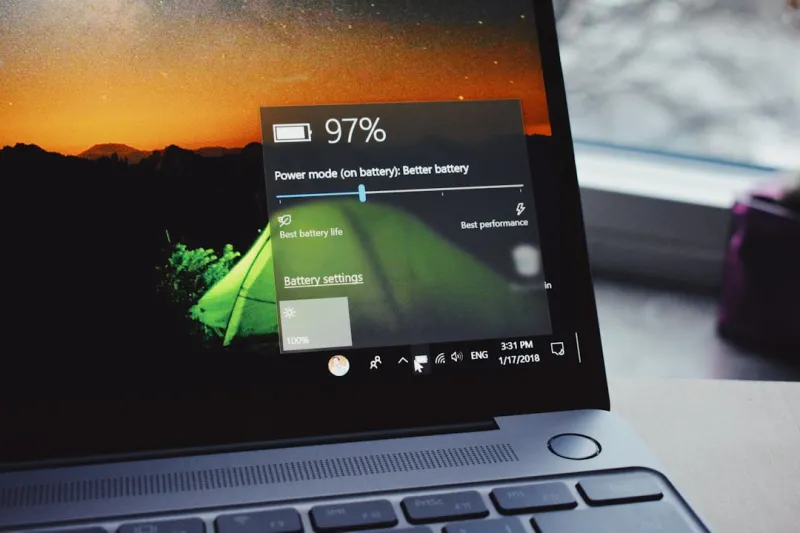
Power users have always lived by the mantra “tweak until it breaks, then fix it.” In 2026, Windows offers a more granular toolbox that lets you push hardware to its limits without sacrificing stability. Begin with the “Advanced Power Settings” panel, where you can disable the traditional “Balanced” plan in favor of a custom profile that maxes out processor performance during intensive tasks while throttling back during idle periods. Next, dive into the Registry at HKLM\SOFTWARE\Microsoft\Windows\CurrentVersion\Explorer\Advanced and toggle the EnableThumbnailCache key to 0 to shave a few milliseconds off file browsing on SSD‑backed systems. Don’t forget to enable the “Hardware‑Accelerated GPU Scheduling” feature in Graphics Settings; it hands over frame‑rendering duties to the GPU’s dedicated scheduler, reducing latency for both gaming and AI workloads. Finally, leverage the new “Dynamic Memory Compression” toggle, which allows Windows to compress inactive memory pages on the fly, freeing up RAM for high‑priority processes. These tweaks, while seemingly small, compound into noticeable speed gains across the board, especially when you pair them with a well‑optimized AI workflow.
Security Layers That Keep Up With AI Threats
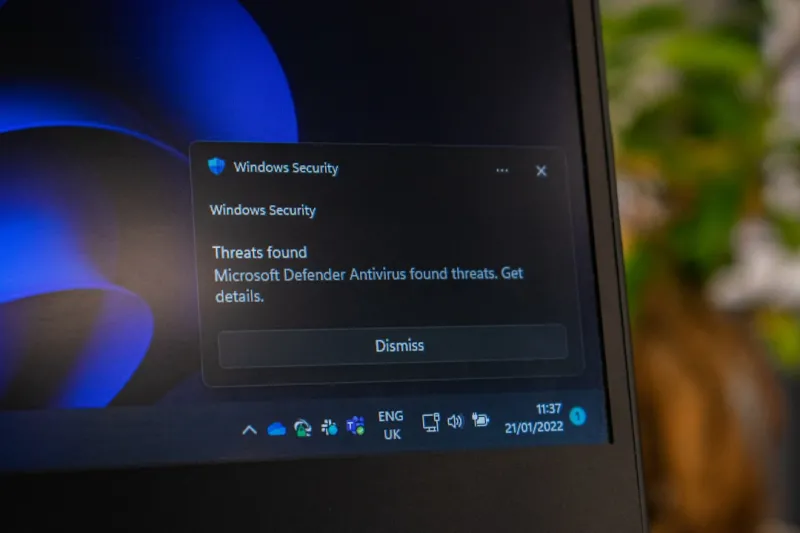
As AI becomes a productivity booster, it also opens doors for sophisticated malware that can mimic legitimate code. Windows Defender has responded with a suite of AI‑powered defenses that analyze behavior in real time, flagging anomalies before they execute. The “Endpoint Detection and Response” module now uses a deep‑learning model trained on billions of telemetry points, allowing it to spot zero‑day exploits with uncanny accuracy. For power users, the key is to enable “Controlled Folder Access” and the new “Secure Execution Zones,” which sandbox any executable that hasn’t been whitelisted in your daily workflow. Additionally, the “Hardware‑Rooted Trust” feature verifies the integrity of the boot chain using TPM 2.0, preventing rogue firmware from slipping past. I recommend setting the “Threat Level” to “High” in the Windows Security Center and regularly exporting the security logs to a secure cloud bucket. This not only gives you an audit trail but also feeds the AI models with fresh data, making the ecosystem more resilient for everyone.
Storage Strategies for the AI‑Heavy Power User
When you’re juggling massive language models, high‑resolution video, and gigabytes of raw data, storage performance can become the bottleneck that kills productivity. While NVMe SSDs dominate the primary boot and application lanes, I still keep a high‑capacity 10 TB hard drive for archival and less‑frequently accessed datasets. The resurgence of hard drives isn’t a nostalgic throwback; it’s a strategic move to balance speed and cost. As detailed in Hard Drive Revival: Why Storage Still Dominates Power Users, modern drives now feature advanced caching algorithms that reduce seek times dramatically. Pair a fast NVMe with a reliable HDD, and use Windows’ built-in “Storage Spaces” to create tiered storage pools that automatically migrate hot files to the SSD tier while relegating cold data to the HDD. Don’t forget to enable “TRIM” for your SSDs and schedule a weekly defragmentation for the HDD—yes, it still matters. This hybrid approach ensures you have the raw throughput needed for AI inference while preserving massive storage footprints for training datasets.
GPU Management in an AI‑First World
The graphics card has evolved from a gaming accessory to a core compute engine for AI workloads. In 2026, Windows now exposes GPU performance counters directly in the Task Manager, letting you see tensor core utilization in real time. To squeeze every ounce of performance, enable the “Hardware‑Accelerated GPU Scheduling” flag we mentioned earlier, then dive into the new “GPU Power Profile” settings in the NVIDIA/AMD control panels. Choose the “AI Compute” profile for deep‑learning tasks; it shifts power budgeting toward tensor cores and away from rasterization. If you encounter instability, the GPU Troubleshooting Playbook for Power Users offers a step‑by‑step guide to reset the driver stack, clear the Windows graphics cache, and verify that your system firmware is up to date. I also recommend installing the latest Windows Insider Build that includes the “DirectML” enhancements, which streamline AI inference pipelines by reducing driver overhead. Properly tuned, your GPU becomes a low‑latency inference engine that can handle everything from real‑time video upscaling to large language model serving.
Future‑Proofing Your Windows Machine for AI
One of the biggest challenges for power users is avoiding the dreaded “upgrade fatigue” that comes with rapid hardware cycles. The secret lies in building a modular, AI‑ready foundation today that can absorb tomorrow’s advances with minimal disruption. Start by selecting a motherboard that supports PCIe 5.0 and has ample M.2 slots for future SSD upgrades. Pair this with a CPU that offers a high core count and integrated AI acceleration—Intel’s 13th‑gen “Meteor Lake” or AMD’s “Zen 4” family are solid choices. For the OS, enable the “Windows Update for Business” policy, which allows you to defer feature updates while still receiving security patches, giving you control over when to adopt new Windows features. To round out the setup, read Upgrade Strategies for Power Users: Building a Future‑Proof AI‑Ready PC, which breaks down a stepwise plan to evaluate bottlenecks, prioritize GPU upgrades, and leverage external GPU enclosures when needed. By treating your PC as a living platform rather than a static workstation, you’ll stay ahead of the curve without constantly emptying your wallet.
The Power‑User Mindset: Continuous Learning and Community
What separates a casual Windows user from a true power user is the willingness to experiment, document, and share findings with the community. In 2026, Microsoft’s Insider Program offers a transparent roadmap and early access to AI‑centric features, making it an indispensable resource for anyone serious about staying ahead. Join the Windows Subsystem for Linux (WSL) community forums, contribute to GitHub repos that showcase custom Copilot scripts, and keep an eye on the “Windows AI Labs” blog for upcoming API releases. Remember, the OS is only as good as the knowledge you feed it. By staying curious, you’ll not only extract maximum performance from your machine but also help shape the future of Windows for the entire power‑user ecosystem.