When I first booted a fresh Windows 2026 installation this spring, I felt the same rush of anticipation that I did back in the early days of Windows 10—only now it’s amplified by a decade of AI, security, and raw performance upgrades. As a power‑user who lives at the intersection of development, gaming, and content creation, I’m constantly hunting for the sweet spot where stability meets bleeding‑edge capability. This year, Microsoft has finally delivered a platform that doesn’t force you to choose between security and speed. From the revamped Windows Subsystem for Linux (WSL) that now runs AI workloads natively, to the Zero‑Trust network stack that silently protects every packet, the operating system feels like a custom‑tuned machine built for the modern power‑user. In this post I’ll walk through the most compelling Windows 2026 features, share how they reshape my daily workflow, and point you to the resources that help you stay ahead of the curve.
AI at the Core: The New Copilot Experience
Microsoft’s integration of AI into the OS isn’t a gimmick; it’s a foundational shift that changes how we interact with every application. The revamped Windows Copilot sits in the taskbar, ready to execute commands, draft emails, or even generate PowerShell scripts on the fly. What’s truly transformative is the “context‑aware” mode, where Copilot can read the active window, understand the file you’re editing, and suggest code snippets or design tweaks without you lifting a finger. For a developer, this means less time hunting documentation and more time iterating on ideas. For a video editor, Copilot can auto‑apply color grades based on a reference frame. The AI engine leverages the on‑device neural accelerators introduced in the latest Intel and AMD silicon, keeping most processing local for privacy and speed. If you want a deeper dive into how AI, security, and performance are converging in Windows, check out the Windows Unleashed article that breaks down the tech under the hood.
Zero‑Trust Security: A New Bedrock for Peace of Mind
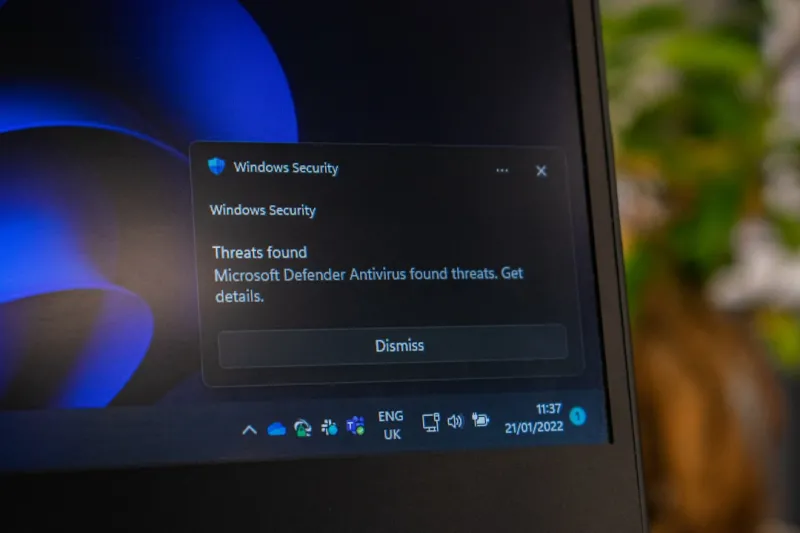
Security has always been a moving target, but Windows 2026 finally embraces Zero‑Trust as a default rather than an optional add‑on. Every executable now runs within a sandboxed container that validates its integrity against a cryptographic ledger before execution. This means ransomware can’t silently hijack your system without triggering a chain of alerts that isolate the offending process. The new “Secure Kernel” also enforces hardware‑rooted attestation, so even if a malicious driver slips past traditional AV, the OS refuses to load it without a verified signature from Microsoft’s trusted store. As a power‑user who frequently tests beta builds and runs multiple VMs, I appreciate that these protections work in the background without a noticeable performance hit. The integration with Azure AD and Microsoft Defender for Endpoint provides a unified dashboard where you can see real‑time risk scores and remediate issues with a single click, allowing you to stay productive while the OS does the heavy lifting.
Performance Gains: From Boot to Benchmark
If you’ve been measuring boot times with a stopwatch, you’ll notice Windows 2026 shaving off nearly a full minute compared to its predecessor on the same hardware. This isn’t just a UI polish; the kernel has been rewritten to better exploit multi‑core architectures, reducing lock contention and improving scheduler efficiency. The new “Smart Prefetch” engine predicts which apps you’ll launch next based on your usage patterns and pre‑loads their critical libraries into RAM during idle periods. Combined with the DirectStorage revamp, game load times on NVMe SSDs are now a fraction of what they used to be, and content creators see faster render queue processing. For those building a future‑proof power‑user PC, the Power‑User Essentials guide outlines the exact CPU, GPU, and RAM configurations that maximize these OS‑level enhancements without breaking the bank.
Streamlined Power‑User Workflow: New Shortcuts and Automation
Beyond the headline features, Windows 2026 introduces a suite of workflow‑centric tweaks that feel like they were designed specifically for my daily grind. The revamped Snap Assist now supports up to four simultaneous panes, each retaining its own DPI scaling and color profile—perfect for multi‑monitor setups where I have code, documentation, and a video preview all visible at once. The new “Task Flow” pane lets you chain actions across apps: start a Git pull, open a terminal, and launch a build with a single click. Additionally, the integrated “Power Automate Desktop” now ships with pre‑built templates for common power‑user tasks, such as bulk file renaming, scheduled backups, and automated email reporting. All of these can be triggered via customizable hotkeys, meaning you can keep your hands on the keyboard and your mind on the project. The result is a smoother, more cohesive experience that reduces context switching and boosts overall productivity.
Hardware Synergy: Leveraging Modern CPUs and GPUs
Windows 2026 is built to squeeze every ounce of performance from today’s silicon. The OS now includes native support for the latest DirectX 13 features, enabling ray‑traced rendering at higher frame rates without the need for third‑party drivers. On the CPU side, the scheduler is aware of hybrid architectures—recognizing performance cores versus efficiency cores—and dynamically assigns tasks to the optimal core type. This is a game‑changer for developers who compile large codebases: the build process can now offload background indexing to efficiency cores while the main compiler runs on performance cores, cutting compile times dramatically. For GPU‑intensive workloads, the OS’s “GPU Scheduler” intelligently balances power and performance, ensuring that long‑running AI inference jobs don’t starve your gaming sessions. If you ever encounter odd behavior from your graphics card, the troubleshooting playbook in my “When Your GPU Misbehaves” series remains a reliable reference.
Legacy Compatibility: Running Old Software Seamlessly
One of the biggest pain points for power‑users is the dreaded “this app won’t run on Windows 10/11” dialog. Microsoft addressed this head‑on with a revamped Compatibility Layer that uses machine‑learning to emulate older system calls, allowing legacy 32‑bit and even some 16‑bit applications to run without manual tweaks. The new “App Vault” lets you pin these legacy tools to the Start menu with a single click, and the system automatically creates a sandboxed environment to keep them isolated from modern processes. I’ve resurrected a few of my favorite Windows 95 utilities—like the classic Hex editor—and they work flawlessly alongside modern tools like VS Code and PowerShell 7. This backward compatibility ensures that your investment in niche software doesn’t become obsolete the moment Windows rolls out a new version.
Cloud Integration: OneDrive and Azure at the Core
While the OS itself has become more powerful, Microsoft hasn’t neglected the cloud. OneDrive now offers “Instant Sync” that mirrors changes across devices in real‑time, with AI‑driven conflict resolution that predicts which version you likely want to keep. For power‑users who juggle multiple machines, this eliminates the need for manual syncing scripts. Azure integration goes further: the new “Azure Edge Compute” panel in Settings lets you spin up lightweight containers directly from the desktop, ideal for testing server‑side code or running isolated AI inference jobs without leaving your workstation. The panel also provides cost estimates in real time, so you can experiment without worrying about unexpected charges. This tight coupling between local and cloud resources blurs the line between your PC and the broader Microsoft ecosystem, giving you a seamless hybrid workflow.
Future Outlook: What’s Next for Windows?
Looking ahead, Microsoft has hinted at a roadmap that includes deeper integration of generative AI, more granular Zero‑Trust policies, and even tighter hardware‑software co‑design with upcoming ARM‑based laptops. The focus appears to be on creating an OS that can adapt in real time to the workload you throw at it, whether that’s a massive data‑science model or a latency‑critical gaming session. For power‑users, the promise is clear: an operating system that learns from you, protects you, and scales with your ambitions. As we continue to push the boundaries of what a personal computer can do, staying informed and leveraging the community resources—like the articles linked throughout this post—will be essential to getting the most out of Windows 2026 and beyond.
Conclusion: Embrace the Evolution
In my experience, Windows 2026 isn’t just another incremental update; it’s a platform that finally respects the diverse needs of power‑users. From AI‑driven assistance and Zero‑Trust security to performance optimizations that make high‑end hardware feel even more potent, the OS feels like a collaborative partner rather than a static tool. If you’re ready to upgrade your workflow, I recommend diving into the Windows Unleashed article for a deep technical breakdown, and the Power‑User Essentials guide to ensure your hardware is up to the task. Embrace the evolution, experiment boldly, and let Windows 2026 empower the next level of your productivity.