When your PC starts stuttering, freezing, or throwing mysterious blue screens, the first suspect is often the memory. In 2026, RAM has become both more powerful and more complex, thanks to higher frequencies, tighter timings, and AI‑driven self‑optimizing modules. That means the old “swap the sticks and pray” approach barely scratches the surface. I’ve spent the last decade tearing apart motherboards, swapping DIMMs, and digging through firmware logs, so I’ve learned a handful of systematic steps that turn a vague “my computer feels slow” into a concrete, fixable issue. In this guide we’ll walk through the diagnostic checklist, the BIOS nuances, software tools, and the new hardware realities that define RAM troubleshooting in 2026. By the end, you’ll not only have a clear path to a stable system but also a roadmap for future‑proofing your memory against the next wave of AI‑enhanced workloads.
Start With the Symptoms: What Your PC Is Actually Telling You
Before you open the case, take a moment to catalog the exact behavior. Is the system crashing under heavy multitasking, during gaming, or when you launch a large spreadsheet? Do you see random reboots, memory‑related error codes in the Event Viewer, or the dreaded “MEMORY_MANAGEMENT” stop code? In 2026, Windows logs are richer than ever, providing precise “Bad Memory” identifiers that point to the offending module address. Note the timing: a problem that appears only after a Windows update often signals a firmware clash, while crashes after installing a new AI‑accelerated application suggest a frequency or latency mismatch. This symptom map is your first line of defense and will guide you toward the right diagnostic tool—whether it’s the built‑in Windows Memory Diagnostic, MemTest86, or a third‑party AI‑assisted analyzer. By matching symptoms to likely causes, you avoid wild‑guessing and keep the troubleshooting process efficient.
BIOS/UEFI: The Hidden Playground Where RAM Lives
The next step is to peek into your system’s BIOS or UEFI firmware. In 2026, most motherboards expose granular memory controls: XMP profiles, voltage offsets, and even per‑module timing tweaks. Start by confirming that the correct XMP profile is enabled; many users inadvertently leave the board on “JEDEC” mode, which forces lower frequencies and can cause instability under load. If you’re running DDR5‑5600 modules, ensure the board actually supports that speed—some older 2024‑era boards claim compatibility but cap at 5200 MHz. Pay attention to the DRAM voltage; modern high‑speed kits often need a slight bump from the default 1.35 V to 1.40 V for stable operation. Lastly, check the memory remapping feature; disabling it can hide RAM from the OS, leading to “insufficient memory” errors even when physically installed. A quick firmware update can also resolve hidden bugs—many manufacturers rolled out patches in early 2026 that specifically address XMP stability with AI‑optimizing CPUs.
Software Tools: From Windows Diagnostic to AI‑Assisted Test Suites
Once BIOS settings look sane, it’s time to let software do the heavy lifting. The built‑in RAM troubleshooting guide for 2026 is a solid start, but it only scratches the surface. For deeper analysis, boot a MemTest86+ USB stick and run at least three full passes; this will stress each memory cell and reveal subtle errors that Windows might miss. In 2026, many MemTest variants now integrate AI algorithms that predict failure patterns based on temperature spikes and voltage fluctuations, giving you a probability score for each stick. If you’re using a workstation with AI‑accelerated workloads, consider running a workload‑specific stress test—such as rendering a 4K video while the AI inference engine is active—to see if the problem only appears under real‑world loads. Log any error codes; they often map directly to a specific DIMM slot, saving you the hassle of swapping sticks blindly.
Understanding New Memory Architectures: DDR5, DDR6, and Beyond
The jump from DDR4 to DDR5 introduced higher bandwidth and on‑die ECC, but it also made the memory subsystem more sensitive to signal integrity. In 2026, DDR6 is beginning to appear in high‑end workstations, pushing frequencies past 7200 MHz and adding a new “sub‑timing” layer that can be tweaked in the BIOS. When troubleshooting, remember that higher speeds demand tighter trace routing and better power delivery on the motherboard. A sub‑optimal PCB layout can cause “ringing” on the memory bus, manifesting as intermittent crashes. If you’re mixing modules of different manufacturers, even if they share the same rated speed, the timings may not align, leading to stability issues. Always aim for a matched kit—same capacity, speed, latency, and voltage. If you must mix, manually set the timings to the most conservative values across all sticks to give the system a stable baseline.
AI‑Driven Self‑Optimizing RAM: Friend or Foe?
One of the most exciting developments in 2026 is RAM that can dynamically adjust its own timings and voltage based on workload, a feature marketed as “Self‑Optimizing Memory.” While this sounds like a set‑and‑forget solution, it can sometimes clash with aggressive BIOS settings or third‑party overclocking utilities. If you’ve enabled a high‑performance XMP profile but the module’s on‑board controller is simultaneously lowering the frequency to stay cool, you’ll see erratic behavior. The best practice is to either let the AI take full control—by disabling manual XMP and letting the module run at its default “Smart” profile—or to manually lock the settings and turn off the module’s autonomous adjustments. For most gamers and creators, the former offers the smoothest experience, as the AI can react in real time to the bursty nature of modern workloads. For enterprise servers, a locked configuration provides predictable performance and easier compliance.
Motherboard Firmware and Smart Chipsets: Keep Them Updated
Modern motherboards in 2026 are essentially miniature computers, complete with their own AI assistants that monitor temperature, power draw, and memory health. These assistants receive firmware updates that can dramatically improve RAM compatibility, especially with the newest DDR6 kits. Check the manufacturer’s support page for a “Memory Compatibility List”—it’s often updated after the first quarter of the year to reflect real‑world testing. If you’ve recently installed a new CPU with a built‑in AI accelerator, you may also need to update the chipset drivers to ensure the memory controller can communicate effectively with the RAM. Many of the latest BIOS releases include a “Memory Auto‑Tune” feature that runs a quick benchmark at boot and applies the optimal timings for your specific configuration. Enabling this can be a lifesaver when you’re dealing with a mix of legacy and brand‑new modules.
Physical Inspection: Clean, Reseat, and Verify Connections
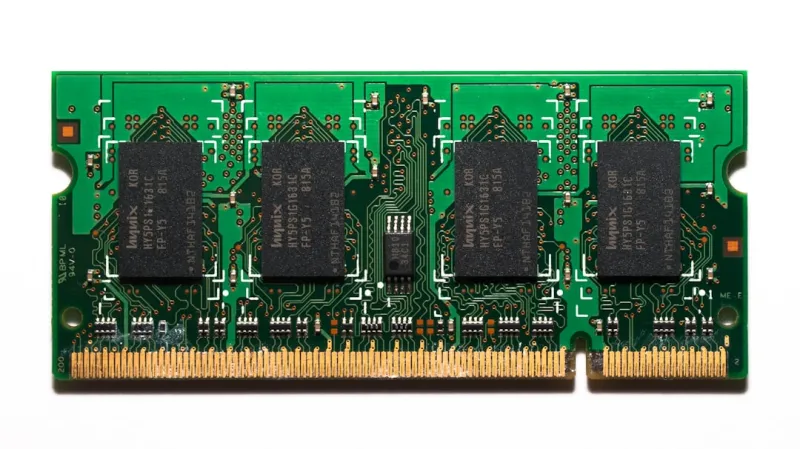
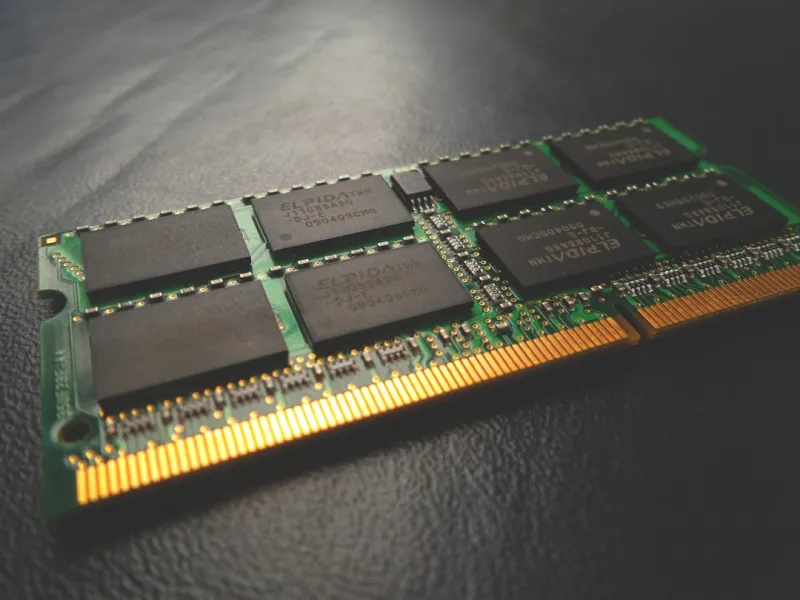
Sometimes the simplest solution is the most effective. Power down, unplug, and open your case. Dust buildup on the DIMM slots can cause poor contact, especially in hot climates where static electricity is more prevalent. Using a can of compressed air, gently blow out each slot, then reseat each stick, applying even pressure until the latches click. While you’re in there, inspect the motherboard for any signs of scorching or bulging capacitors—these can affect the power delivery to RAM. If you have an aftermarket heatsink or thermal pad on the memory, verify it’s still making good contact; a loose cooler can cause thermal throttling that mimics instability. After reseating, run a quick MemTest86 pass to confirm that the physical connection is now solid before moving on to more complex diagnostics.
When to Replace: Choosing the Right Capacity and Speed for 2026 Workloads
If you’ve exhausted the diagnostic steps and the system still misbehaves, it may be time to replace the memory. In 2026, the sweet spot for most power users is 32 GB of DDR5‑5600 or DDR6‑6400, striking a balance between capacity, speed, and cost. For AI‑intensive tasks—such as real‑time video upscaling or large language model inference—consider moving to 64 GB of DDR6, as the extra bandwidth can shave seconds off processing times. Always buy from reputable vendors that offer a robust warranty and a clear compatibility matrix for your motherboard model. Pair your new RAM with a motherboard that supports the latest firmware features like “Memory Power Management” and “Dynamic Voltage Scaling,” which can extend the lifespan of your modules while keeping power draw in check.
Future‑Proofing and Preventive Maintenance: Staying Ahead of the Curve
Looking ahead, RAM in 2026 is only going to get smarter. Upcoming standards promise built‑in error‑correction for consumer kits and tighter integration with AI workloads. To stay ahead, adopt a preventive maintenance schedule: every six months, run a quick memory health check using the built‑in Windows diagnostics or an AI‑assisted tool, clean the slots, and verify that firmware is current. Keep an eye on the AI Computing in 2026: The Era of Self‑Optimizing Hardware article for emerging trends that may affect how your RAM interacts with the rest of the system. By treating memory as a living component that benefits from regular care, you’ll minimize downtime, extend the lifespan of your investment, and ensure that your PC remains a reliable workhorse in the ever‑evolving tech landscape of 2026.