When I first opened a brand‑new tower in early 2026, the excitement was palpable—sleek RGB, a whisper‑quiet liquid cooler, and a whopping 64 GB of DDR5‑6000 racing through the slots. Yet, just days later, my system began to hiccup: random freezes, blue screens that felt more like an avant‑garde art installation than a warning, and applications that stalled for no apparent reason. That’s the paradox of modern memory: it’s both the most powerful accelerator we have and the most subtle gremlin lurking in a PC. In this post, I’m pulling back the curtain on the latest RAM troubleshooting playbook, blending the hard‑won lessons from my own “RAM‑ruined‑my‑deadline” moments with the cutting‑edge tools that 2026 has finally delivered. Whether you’re a creator juggling 8K video renders or a gamer chasing 240 Hz frames, understanding the tell‑tale signs of a memory malfunction can save you hours of lost productivity and, frankly, a lot of sanity.
Recognizing the Symptoms Before They Spiral
The first clue that your RAM is acting up often masquerades as a software issue. In 2026, we see an uptick in “random crash” reports across Windows 11’s AI‑enhanced update cycles, but the underlying cause is frequently a faulty memory channel. Look for patterns: a sudden surge in BSOD codes referencing “MEMORY_MANAGEMENT” or “PAGE_FAULT_IN_NONPAGED_AREA,” games that crash precisely after loading a new texture pack, or productivity apps that freeze when you open a massive spreadsheet. These aren’t just coincidences—they’re the system’s way of telling you it can’t trust the data it’s pulling from RAM. Another subtle indicator is the dreaded “stuttering” during video playback, even on high‑end GPUs. If you’ve verified that your drivers are up‑to‑date (a common oversight in AI‑driven driver rollouts), the next step is to isolate whether the problem lives in the memory modules themselves or elsewhere in the data path.
Modern Diagnostic Arsenal: From Classic to AI‑Powered
Gone are the days when a simple “MemTest86” boot‑disk was the sole guardian of memory health. While the classic tool remains a gold standard—its exhaustive 8‑pass test still catches the most elusive bit flips—2026 introduces AI‑augmented diagnostics that learn from your usage patterns. For instance, Windows 11 now bundles a “Memory Health AI” module that monitors error rates in real time, flagging anomalies before they snowball into full‑blown crashes. If you’re comfortable digging into the command line, wmic memorychip get still offers granular data, but I recommend pairing it with the new AI Computing 2026 insights article to understand how intelligent hardware can pre‑emptively adjust timings on the fly. Run a quick diagnostic by typing memtest -a in PowerShell; the AI layer will automatically suggest optimal testing durations based on your system’s workload history, cutting the test time in half without sacrificing depth.
When the AI tools raise a flag, it’s time to go old‑school. Boot from a dedicated USB drive containing the latest MemTest86 (version 12.2 as of 2026) and let it run a full 12‑hour pass. Watch for any red squares—those are the memory cells that refused to hold a binary value consistently. If you see errors, note the exact address and module location; this data will be indispensable when you contact your vendor or decide whether a module swap is the cheaper route. Remember, a single bad chip can corrupt the entire memory channel, so even a handful of errors warrants a deep dive.
Physical Checks: Reseating, Cleaning, and the DDR5 Landscape
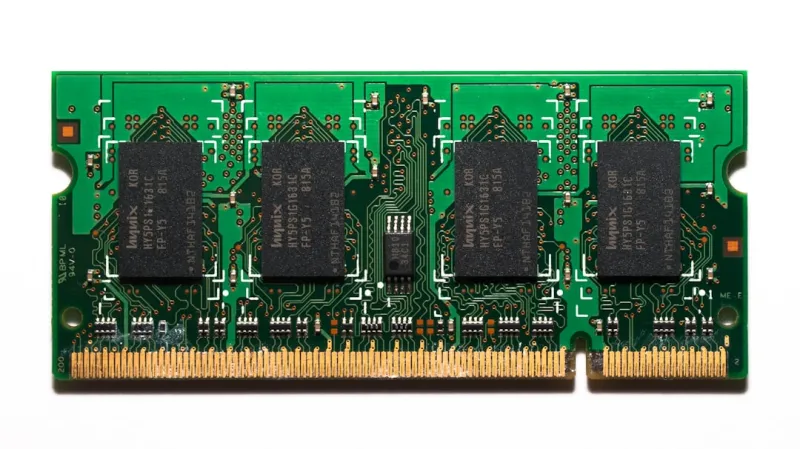
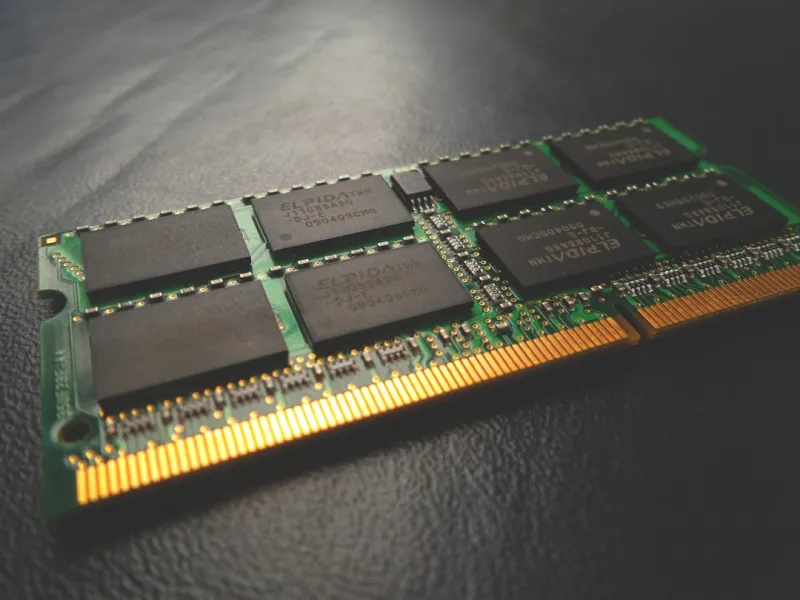
Physical inspection may feel like a relic of the past, but in the era of DDR5‑6000 and the emerging DDR5X, the tactile connection matters more than ever. Start by powering down, unplugging, and grounding yourself—static discharge still kills more modules than any firmware bug. Gently release the side clips on each DIMM, lift the module, and inspect the gold contacts for oxidation or debris. A quick air‑blast with a canned duster can dislodge microscopic dust that interferes with signal integrity. When you reseat the sticks, align the notch precisely; DDR5’s notches have shifted subtly compared to DDR4, and a misaligned module can cause intermittent contact that only shows up under heavy load.
Once the modules are back in place, double‑check that they’re seated in the correct slots as dictated by your motherboard’s manual—most boards recommend populating the “A2” and “B2” slots first for dual‑channel operation. If you’re mixing capacities (e.g., a 32 GB stick with a 16 GB stick), ensure the BIOS recognizes the configuration; mismatched timings can masquerade as stability issues. Finally, consider applying a thin layer of non‑conductive thermal paste designed for RAM if you’re pushing into aggressive XMP profiles; it helps dissipate heat, which is a silent killer for high‑speed DDR5 modules that can overheat under sustained workloads.
BIOS/UEFI Tweaks: Harnessing XMP and Timing Adjustments
The BIOS is the command center for memory performance, and in 2026 we finally see motherboards that expose granular timing controls without requiring a PhD in electrical engineering. Start by enabling the XMP (Extreme Memory Profile) that matches your RAM’s advertised speed—most DDR5 kits come with profiles for 5600 MT/s, 6000 MT/s, and even the experimental 6600 MT/s. However, don’t assume the highest number is always the best; many modules are binned conservatively, and forcing the top tier can introduce latency spikes. Use the Memory Timings section to fine‑tune CAS latency (CL), tRCD, tRP, and tRAS values. A good rule of thumb in 2026: aim for a CL that’s no higher than 30% of the frequency (e.g., CL30 at 6000 MT/s) for a balanced sweet spot.
Another powerful feature is “Memory Hole Remapping,” which some modern UEFIs enable automatically. This can resolve conflicts where the system erroneously believes a portion of RAM is reserved for hardware. If you notice your usable RAM dropping after a BIOS update, check the “Advanced > Chipset” menu for this setting. For the truly adventurous, the new “AI‑Optimized Timing” toggle leverages on‑board machine learning to test multiple latency combinations during boot, selecting the most stable configuration for your specific hardware stack. While it’s tempting to leave this on, I recommend running a manual MemTest86 pass afterward to verify that the AI hasn’t introduced subtle errors that only manifest under stress.
Overclocking, Stability, and the Role of AI
Overclocking RAM has become mainstream in 2026, thanks to AI‑driven utilities that dynamically adjust frequencies based on real‑time thermal and error feedback. Tools like “RAMBoost AI” monitor the voltage ripple on each channel and throttle down just enough to keep the error count at zero, effectively giving you a safe performance bump without the guesswork. If you decide to push beyond the XMP profile, start with a modest increase of 100 MHz and run a full stress test—again, MemTest86 or the built‑in Windows Memory Diagnostic with the “Extended” option. Keep an eye on the CPU temperature as well; high‑speed memory can increase the memory controller’s workload, leading to higher processor temps that indirectly affect RAM stability.
Should you encounter instability, the first step is to raise the DRAM voltage in small increments (e.g., +0.05 V) while staying within the manufacturer’s safe range—most DDR5 modules cap at 1.45 V, but many have headroom up to 1.5 V with proper cooling. If errors persist, consider loosening the timings slightly; a 2‑cycle increase in CL or tRCD can dramatically improve stability at high frequencies. Remember, the goal isn’t always the highest MHz rating—it’s a harmonious balance where your creative workflow or gaming experience remains buttery smooth.
Debunking Common RAM Myths in 2026
One persistent myth I hear from both newcomers and seasoned builders is that “more RAM automatically makes everything faster.” In reality, RAM capacity only improves performance when you’re actually exhausting your existing pool. For most creators in 2026, 32 GB of DDR5‑6000 is ample for 8K video editing, but if you’re running multiple virtual machines or AI model training locally, you might need 64 GB or more. However, slapping an extra 16 GB stick onto a system already bottlenecked by a sluggish CPU or an underpowered GPU won’t magically lift frame rates. Likewise, the notion that “DDR5 is always better than DDR4” overlooks the fact that a well‑timed DDR4‑3200 kit can outperform a poorly configured DDR5‑5600 module, especially on older platforms that lack optimized memory controllers.
Another misconception is that “RAM errors are rare on new hardware.” While it’s true that manufacturing yields have improved, the increased density of DDR5 chips—some now boasting 32 Gb per die—means that a single defect can affect a larger portion of the memory address space. This is why early‑2026 reports show a slight uptick in field‑replaceable unit (FRU) incidents for high‑capacity kits. The takeaway? Treat every memory issue as a potential hardware fault until proven otherwise, and always keep a spare module on hand for rapid swaps during critical projects.
When to Replace, Repair, or Upgrade: A Practical Checklist
If your diagnostics consistently flag errors on a specific module, the most straightforward solution is replacement. Most reputable brands offer a three‑year warranty that aligns with the typical lifecycle of a high‑performance PC, and in 2026 many retailers provide instant RMA services that ship a pre‑configured replacement within 48 hours. Before you order, cross‑reference your system’s needs with the Ultimate 2026 PC Upgrade Guide to ensure the new RAM matches both the speed and the voltage envelope of your motherboard. If you’re on a tight budget, consider a “mix‑and‑match” approach: replace the faulty stick while retaining the healthy ones, but verify that the BIOS can run them in dual‑channel mode without timing conflicts.
Repairing RAM is generally not advisable—solder re‑balling or “re‑flowing” chips is a risky gamble that rarely yields long‑term stability. However, if you’re comfortable with advanced electronics, you can attempt a gentle re‑flow using a calibrated hot‑air station, but only as a last‑ditch effort on a non‑critical machine. In most cases, the cost of a new 32 GB DDR5 kit (often under $150 in 2026) is far less than the time lost troubleshooting a flaky module. Keep a short “memory health log” in a spreadsheet: record the date of each test, error count, and any firmware updates applied. This documentation will be invaluable when negotiating warranty claims or simply tracking the health of your system over time.
Future‑Proofing: Emerging Memory Technologies to Watch
Looking ahead, the line between RAM and storage continues to blur. Intel’s upcoming “Persistent Memory 2.0” promises to combine DRAM‑like latency with SSD‑like endurance, enabling data to survive power cycles without sacrificing speed. While still in early‑access phases in 2026, early adopters report up to a 30% reduction in load times for massive 3D assets, thanks to the ability to keep critical datasets resident in a non‑volatile memory pool. Additionally, AMD’s “Infinity Cache Fusion” is set to integrate a portion of system memory directly onto the GPU die, effectively creating a shared memory pool that could redefine traditional RAM usage patterns for AI workloads.
For now, the most pragmatic approach is to stay flexible. Choose motherboards that support both DDR5 and the nascent DDR5X standard, ensuring you can upgrade without a full system overhaul. Keep an eye on firmware releases that add support for “Memory Tiering,” a feature where the OS automatically migrates frequently accessed data between DRAM and emerging persistent memory layers. By embracing these hybrid solutions early, you’ll protect your investment and position yourself at the cutting edge of performance—whether you’re rendering 16K panoramas or training generative AI models on a single workstation.
Final Checklist and Call to Action
Before you close this article and dive back into your projects, grab a pen and run through this quick RAM health checklist: 1) Verify that Windows reports the correct total memory; any discrepancy could indicate a disabled channel. 2) Run a full MemTest86 pass with the AI‑enhanced settings enabled. 3) Inspect each DIMM physically for dust or misalignment. 4) Confirm XMP profiles are active and timings are within manufacturer specs. 5) Test stability under your typical workload—render a 10‑minute 8K clip or run a GPU‑intensive benchmark while monitoring for stutters. If any step flags an issue, isolate the offending module and consider a replacement, referencing the upgrade guide linked above. Remember, RAM is the silent workhorse of any modern PC; keeping it healthy ensures the rest of your hardware can truly shine. Got a memory mystery you can’t crack? Drop a comment below, and let’s troubleshoot together.