When I boot my machine each morning, the familiar glow of the Windows start screen feels less like a nostalgic relic and more like a living, breathing platform that’s been quietly evolving beneath the surface. In 2026, Windows isn’t just a consumer OS—it’s a strategic canvas for power users who demand granular control, seamless integration, and the kind of performance tuning that only a truly modular system can provide. The recent wave of native support for hardware‑accelerated cryptography, combined with tighter sandboxing mechanisms, means we can finally strike the balance between speed and security without resorting to third‑party workarounds. As someone who builds custom dev rigs and automates workflows, I’ve found that the latest Windows updates have unlocked a depth of configurability that rivals any Linux distro, yet retain the polish that makes daily tasks frictionless. Whether you’re wrestling with massive datasets, fine‑tuning GPU pipelines for AI inference, or just trying to keep a sprawling set of virtual desktops organized, Windows now feels purpose‑built for the kind of “do‑it‑all” mindset that defines the modern power user.
Built‑In Encryption Has Finally Caught Up
One of the most game‑changing developments for me this year has been the native integration of BitLocker with hardware‑level TPM 2.2 chips that support real‑time key rotation. No longer do I need to deploy third‑party tools or write custom scripts to enforce enterprise‑grade encryption across every drive. The OS now offers a streamlined UI that walks you through creating a multi‑factor recovery key, automatically syncing it to your Microsoft account with end‑to‑end encryption. This shift not only trims the attack surface but also cuts the time I spend on “security housekeeping” in half. For those of us who juggle multiple workstations, the ability to provision these settings via Group Policy or a simple PowerShell module means a truly uniform security posture across the board. If you want the technical deep‑dive, check out the Power‑User’s Playbook for Bulletproof Encryption in 2026—it walks you through the nuts and bolts of leveraging these new capabilities without breaking a sweat.
Performance Tweaks That Actually Matter
It’s easy to get lost in a sea of vague performance tips—disable services, tweak the visual effects, or overclock your CPU. What matters for a seasoned user is measurable impact on real workloads. Windows 11’s new “Performance‑First” power plan now intelligently ramps up clock speeds only when your CPU signals a need, thanks to its integration with Intel’s Adaptive Boost Technology. Coupled with the revamped Memory Compression Engine, the OS can free up RAM in milliseconds, which is a lifesaver when you’re running multiple Docker containers alongside Visual Studio and a heavy IDE. I also love the new “Storage Spaces Direct” feature that lets you pool NVMe drives into a single ultra‑fast volume without needing a dedicated storage server. When paired with the emerging support for the DirectStorage API, even large game assets load faster, freeing up bandwidth for background rendering jobs. These are the kinds of under‑the‑radar optimizations that make a noticeable difference in day‑to‑day productivity without the need for a complete hardware overhaul.
Automation and Scripting at Scale
Windows has long been criticized for its clunky automation ecosystem, but 2026 marks a turning point. PowerShell 7.5 now ships with a built‑in AI code‑assistant that can autocomplete complex scripts based on context—think of it as a co‑pilot that learns your habits. I’ve leveraged this for everything from automatically mapping network shares when I jump between office locations to spinning up temporary dev environments with a single command. Moreover, the new “Windows Subsystem for Linux 2.2” (WSL) runs a full kernel that supports GPU acceleration, so you can execute Linux‑only tooling alongside native Windows apps without the overhead of a VM. This hybrid approach lets me script batch image processing in Bash, then hand the results off to a PowerShell pipeline for reporting. The integration feels seamless, turning what used to be a fragmented workflow into a single, coherent automation strategy.
Security Beyond Antivirus
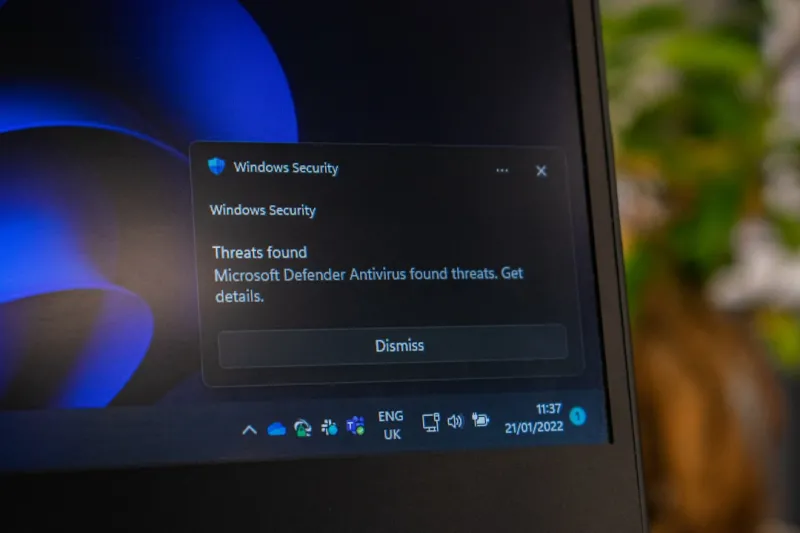
Antivirus alone is a relic of an era where threats were mostly known and signatures could be easily updated. In today’s hyper‑connected environment, a proactive security posture is mandatory. Windows Defender now includes a built‑in behavior‑analytics engine that flags anomalous processes in real time, leveraging the same AI models that protect Azure workloads. I also take advantage of the “Hardware‑Rooted Security” stack, which validates that the boot process hasn’t been tampered with, all the way down to the firmware level. For those who want a deeper dive, the article Beyond Antivirus: Building a Proactive Security Strategy for Power Users offers a roadmap for integrating these native features with third‑party endpoint detection tools, ensuring you’re covered on both the client and the cloud side of the fence.
Staying Current with Critical Updates
Microsoft’s update cadence has become more aggressive, and missing a critical patch can have cascading effects on both security and performance. The Critical 2026 updates page is a lifesaver for anyone who doesn’t have a dedicated IT team. It highlights the patches that address everything from the “PrintNightmare” fallout to the latest Spectre‑related mitigations. I’ve adopted a rolling update policy where I test patches on a secondary workstation before deploying them fleet‑wide. This approach ensures continuity for mission‑critical workloads while still keeping my environment hardened against emerging threats. The key takeaway? Don’t treat Windows updates as a nuisance—view them as a vital component of a broader risk‑management strategy that directly contributes to system stability and user confidence.
Future‑Proofing the Development Workflow
For developers, the OS is more than a sandbox; it’s the backbone of the entire toolchain. In 2026, Windows fully embraces containerization and the growing prevalence of remote‑first dev environments. The integration of Visual Studio Code’s “Dev Containers” feature directly into the OS means you can spin up a reproducible environment with a single click, without worrying about version mismatches. Coupled with the new “Windows Package Manager 2.0” (winget), you can script the installation of SDKs, runtimes, and CLI tools across dozens of machines in seconds. This synergy reduces the “it works on my machine” syndrome and frees you to focus on code quality. If you’re interested in a step‑by‑step guide, the piece Future‑Proof Your Software Development Workflow in 2026 walks you through building a CI/CD pipeline that leverages these native Windows capabilities for maximum efficiency.
Network Optimization for the Hyper‑Connected Power User
With 5G becoming ubiquitous and edge computing on the rise, latency‑sensitive tasks have moved out of the data center and into the local machine. Windows 11 now includes a “Network Quality of Service” (QoS) manager that lets you prioritize traffic on a per‑application basis, ensuring that video calls, large file transfers, and AI inference jobs don’t compete for bandwidth. I configure QoS profiles to give my remote debugging sessions a higher priority than background OS updates, which prevents those pesky stalls during a live demo. The built‑in “Wi‑Fi 6E” support also means you can take advantage of less‑congested spectrum, dramatically reducing latency for nearby devices. For a deeper dive into how to set these policies without breaking corporate policies, see the article “How Power Users Can Future‑Proof Their Networks in a Hyper‑Connected World”.
Looking Ahead: The Role of AI in Windows
Artificial intelligence is no longer a futuristic buzzword—it’s embedded into the core of Windows’ daily experience. From the AI‑enhanced search bar that understands natural language queries, to the predictive power‑plan adjustments that learn your work patterns, the OS is becoming a smarter partner. I’ve already started experimenting with the new “Copilot for Windows” integration that can generate snippets of PowerShell or Bash code based on a simple prompt, effectively turning the OS into an interactive assistant. As these features mature, we can expect even tighter coupling between the OS and cloud‑based AI services, making tasks like log analysis, anomaly detection, and even code refactoring feel like a single, seamless workflow. Embracing these AI capabilities now will keep you ahead of the curve, ensuring that your Windows environment evolves alongside the technology landscape—not the other way around.