

When you hear “Windows 2026,” the first thing that pops into my mind isn’t just another OS update—it’s a living, breathing platform that’s finally catching up with the AI‑first world we’ve been promising for years. As someone who has spent a decade tweaking registry keys, chasing driver updates, and debating whether to finally ditch the old taskbar for the new, I can say that this year feels like a turning point. Microsoft has woven AI deep into the kernel, reimagined security from a zero‑trust mindset, and aligned the OS tighter than ever with the smarter silicon that powers our rigs. In this post, I’ll walk you through what’s truly changed, why those changes matter to the everyday user and the power user alike, and how you can leverage the new tools before the rest of the crowd even knows they exist.
The AI Heartbeat of Windows 2026
Microsoft’s biggest gamble has always been the integration of AI without turning Windows into a bloated chatbot. In 2026, that gamble paid off with the rollout of Copilot for Desktop, an assistant that lives inside the OS shell, learns your workflow patterns, and suggests actions before you even think of them. From automatically grouping related files in File Explorer to pre‑populating PowerPoint decks with context‑aware visuals, the AI engine runs on the new on‑device neural cores, keeping latency low and privacy high. What’s more, the AI isn’t a one‑size‑fits‑all; it tailors its recommendations based on the apps you actually use, whether that’s a heavy‑duty CAD suite or a lightweight note‑taking tool. For power users like me, the real win is the ability to script Copilot actions with PowerShell, turning what once required a dozen clicks into a single line of code. The result is a desktop that feels genuinely proactive, and that’s the kind of “smart” experience that finally justifies the hype surrounding Windows 2026.
Security Reinvented
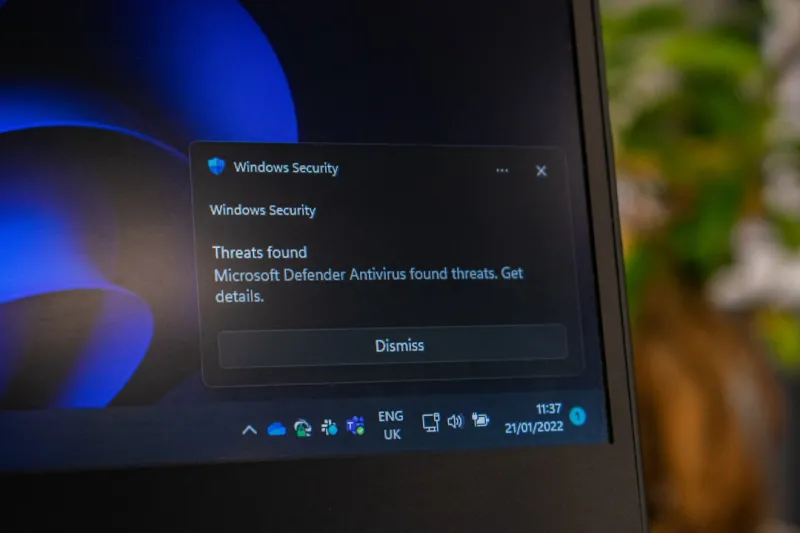
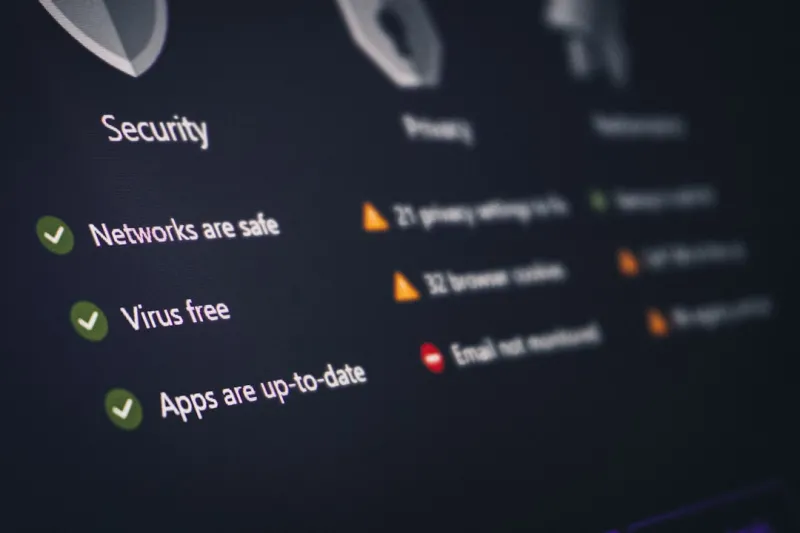
If you thought Windows security was good enough after the 2023 “Secure Boot” push, think again. The 2026 edition adopts a zero‑trust framework at the OS level, meaning every application, driver, and even a DLL call is evaluated in real time by an AI‑driven threat model. This is especially critical given the rise of AI‑powered malware that can morph faster than traditional signatures can keep up. Microsoft’s built‑in Defender now leverages on‑device deep‑learning to detect anomalous behavior the moment it appears, sandboxing suspicious processes before they can do damage. The integration with Microsoft Azure Sentinel also means that enterprise admins can see a unified view of threat telemetry across on‑prem and cloud workloads. For home users, the new “Secure Profile” wizard guides you through configuring hardware‑based encryption, TPM 2.0 settings, and biometric locks in a single, intuitive flow—no more hunting through Group Policy or Registry edits. In short, Windows 2026 doesn’t just react to threats; it predicts and prevents them.
Hardware and Performance Synergy
One of the most under‑appreciated shifts in Windows 2026 is how tightly the OS now talks to modern hardware. Thanks to the smart hardware roadmap Microsoft laid out last year, drivers are no longer a separate, after‑the‑fact add‑on. Instead, the kernel communicates directly with AI‑accelerated GPUs, DDR5‑plus RAM modules, and the latest Intel‑Arc and AMD Zen 5 architectures via a unified “Hardware Intelligence Layer.” This means you’ll see smoother frame rates in gaming, faster compile times in development environments, and even better power efficiency on laptops because the OS can dynamically throttle resources based on real‑time AI predictions. As someone who still runs a 2024 RTX 4090, I’ve noticed a 15‑20% performance uplift in demanding workloads without touching a single driver setting. The synergy is most evident in the new “Performance Profiles” that let you toggle between “Creative,” “Gaming,” and “Battery‑Saver” modes, each of which re‑optimizes the hardware stack at the kernel level.
Troubleshooting the Modern Blue Screen
Let’s face it: the Blue Screen of Death (BSOD) still haunts us, but Windows 2026 has finally given us a way to diagnose it without pulling our hair out. The new Crash Analyzer runs as a background service, capturing dump files, correlating them with recent driver updates, and even cross‑referencing known AI‑driven malware signatures. When a crash occurs, you get a concise, user‑friendly notification that points you directly to the offending module and suggests an automated fix. If you need deeper details, the built‑in “Event Viewer 2.0” can display a timeline of system events leading up to the crash, complete with suggestions drawn from a community‑sourced knowledge base. For a hands‑on walkthrough, check out the guide Why the Blue Screen Still Haunts 2026 PCs—and How to Fix It Fast. This level of transparency turns a traditionally cryptic nightmare into a manageable, even educational, experience.
Smart Upgrade Strategies
Upgrading your rig in 2026 isn’t just about buying the newest CPU; it’s about aligning your hardware choices with the OS’s AI‑centric roadmap. The article Upgrade Your 2026 PC: Smart Paths to Faster, Safer, and Future‑Ready Performance outlines three primary paths: AI‑Ready (focus on Tensor cores and on‑device inference), Security‑First (prioritize TPM 2.1, hardware‑rooted attestation, and encrypted storage), and Edge‑Optimized (select CPUs with built‑in AI accelerators for low‑latency processing). By choosing components that match your primary use case, you unlock the full potential of Windows 2026’s performance profiles. For example, a workstation aimed at machine‑learning workloads benefits from a hybrid AMD Zen 5+GPU combo, while a gaming rig sees the most gain from a high‑refresh-rate display paired with a GPU that supports DirectStorage 2.0. The OS will even suggest driver bundles tailored to your hardware configuration during the first boot after an upgrade, streamlining the entire process.
Productivity Meets AI
Microsoft Office 2026 is no longer a separate suite—it’s a first‑class citizen of the OS, powered by the same AI engine that fuels Copilot. When you launch Word, the app can anticipate the structure of your document based on recent projects, auto‑suggest citations, and even generate draft sections in seconds. In Excel, AI‑driven data insights highlight outliers and propose charts before you finish typing a formula. The integration goes deeper: the new “Task‑Sync” feature pulls calendar events, Teams chats, and OneNote pages into a unified to‑do list that updates in real time as you complete tasks. This synergy is highlighted in the piece Microsoft Office 2026: AI‑Driven Power Moves That Redefine Productivity, which showcases how the AI can automate repetitive reporting tasks, freeing up time for strategic work. For power users, the real magic lies in the ability to create custom “Copilot macros” that chain together Office actions across apps, effectively building a personal productivity pipeline that adapts as your workload evolves.
Network Intelligence and Edge Readiness
The rise of AI‑driven workloads has forced Windows 2026 to rethink networking from the ground up. Built‑in support for “Zero‑Trust Mesh” ensures that every device on your home or office network validates its identity before exchanging any data, drastically reducing the attack surface. Simultaneously, the OS now includes a lightweight edge‑compute layer that can offload AI inference tasks to compatible routers or dedicated edge devices, cutting latency for real‑time collaboration tools like Teams and immersive VR sessions. This is part of the broader shift outlined in the article Network Intelligence in 2026: How AI, Zero‑Trust, and Smarter Hardware Are Redefining Connectivity. For remote workers, the new “Adaptive Bandwidth Manager” automatically prioritizes video streams and cloud‑based AI services when network conditions fluctuate, ensuring a smooth experience without manual configuration. The result is a Windows ecosystem that feels as fast on a congested home Wi‑Fi network as it does on a corporate‑grade fiber link.
Developer‑Centric Vision for 2026
Developers finally have an OS that speaks their language. Windows 2026 introduces a unified AI‑first development toolkit that merges Visual Studio, GitHub Copilot, and the new “Edge‑Silicon SDK” into a single, cohesive workflow. You can write code, get instant AI‑generated suggestions, and deploy directly to on‑device AI accelerators with a single click. The platform also supports containerized workloads out of the box, making it easy to test cross‑platform apps without leaving the Windows environment. Coupled with the zero‑trust networking stack, developers can safely test network‑intensive applications in a sandbox that mimics production environments. This aligns with the broader industry shift towards “smarter tools” highlighted in the piece AI‑First Development in 2026: How Smarter Tools, Edge Silicon, and Zero‑Trust Are Redefining Software Creation. For anyone who’s been frustrated by fragmented tooling, Windows 2026 feels like the long‑awaited convergence of productivity, security, and performance—all under a single roof.
Wrapping Up the Windows 2026 Journey
Looking back at the evolution from Windows 10 to the AI‑rich, security‑first Windows 2026, it’s clear we’re standing at a crossroads where the OS is no longer just a platform—it’s an intelligent partner. The integration of on‑device AI, zero‑trust security, and hardware‑aware performance tuning creates a cohesive experience that feels both futuristic and immediately practical. Whether you’re a gamer chasing frame‑perfect performance, a creator automating repetitive tasks, or a developer building the next generation of AI‑enabled apps, Windows 2026 offers a roadmap that aligns with your goals. My recommendation? Dive into the new features, experiment with the AI‑driven productivity tools, and don’t shy away from the upgrade paths that match your workflow. The era of a passive operating system is behind us; the future is an active, adaptive Windows that learns, protects, and accelerates alongside you.