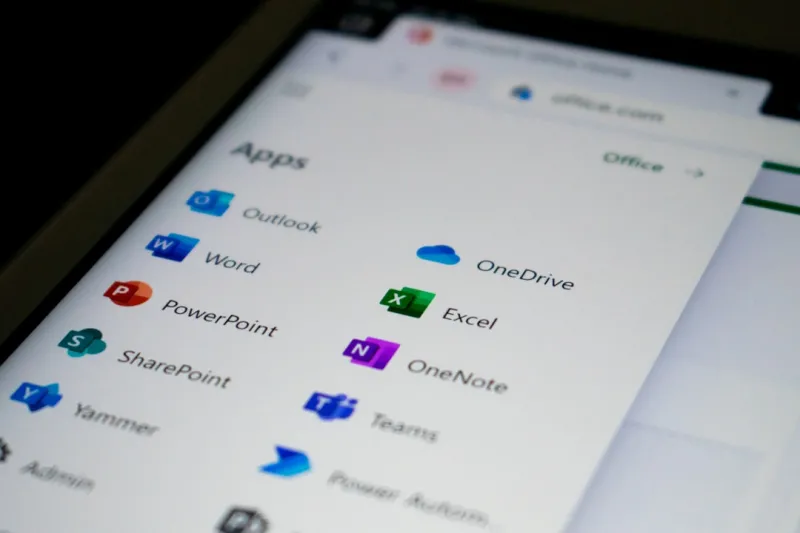
When I first opened Word in the early 2000s, I was dazzled by a simple toolbar and the promise of a digital notebook. Fast‑forward to 2026, and Microsoft Office feels less like a suite of static programs and more like a living, breathing ecosystem that learns from my habits, anticipates my needs, and even whispers suggestions in real‑time. As someone who has been writing, presenting, and spreadsheet‑crunching for two decades, I can say the transformation is nothing short of seismic. The cloud‑first architecture, AI‑driven features, and a relentless focus on security have turned Office from a productivity tool into a strategic partner in daily work. In this post, I’ll walk you through the most compelling changes that are redefining how we create, collaborate, and protect our data—all while keeping the spirit of the classic Office experience alive.
The AI Copilot Revolution Is Here
Microsoft’s Copilot is the headline act of Office 2026, and it’s more than just a fancy autocomplete. Embedded directly into Word, Excel, PowerPoint, and Outlook, Copilot watches the context of my documents, pulls in relevant data from Teams and OneDrive, and drafts entire sections in my voice with uncanny accuracy. For instance, when I need a quarterly sales narrative, I type a single prompt, and Copilot spins a polished paragraph, complete with embedded charts that reflect the latest numbers from my Power BI dashboard. It’s not a black box; the suggestions are fully editable, and the AI learns from every tweak I make. The result? I spend 30‑40% less time on repetitive drafting and more time on strategic thinking—a boost that feels like having a silent, hyper‑efficient teammate perched on my shoulder.
Collaboration Has Gone Full‑Duplex
Remember the days of emailing a Word file back and forth, fighting version control, and praying no one overwrote your work? Those days are gone. Office 2026 integrates Teams chat, channel threads, and even the new “Live Canvas” feature directly into the editing surface. While I’m polishing a slide deck, my teammates can pop into a side pane, add comments, or even co‑author in the same moment without leaving the app. The experience is buttery smooth because Microsoft has merged the real‑time sync engine from Teams with the robust document engine of Office. This synergy eliminates the “last saved version” anxiety and fosters a culture where feedback loops shrink from days to minutes, dramatically accelerating project timelines.
Zero‑Trust Security Is Built Into Every Document
Security used to be an afterthought—something IT slapped on after the fact. In 2026, Microsoft has baked a zero‑trust model into the very fabric of Office. Every file now carries a digital fingerprint that validates its origin, integrity, and the permissions of each user who accesses it. AI monitors for anomalous behavior, such as a user copying large blocks of sensitive text to an external device, and instantly triggers protective actions—quarantining the file or requiring multifactor verification. This proactive approach is especially crucial as AI‑generated content becomes more prevalent; the system can distinguish between legitimate AI assistance and potential malicious manipulation, keeping corporate knowledge safe without hindering productivity.
Cloud‑First Isn’t Just a Buzzword Anymore
OneDrive for Business has evolved into a truly global, edge‑aware storage layer that syncs files in milliseconds, no matter where you are. The integration with Azure’s edge compute nodes means that heavy‑weight operations—like running a complex Excel macro or rendering a PowerPoint animation—can happen locally on the nearest edge server, reducing latency dramatically. This architecture also supports offline work: changes are cached securely on the device and merged seamlessly when connectivity returns, all while preserving the same version history you’d expect from the cloud. The result is a fluid experience where the line between local and cloud resources blurs, giving me the flexibility to work from a coffee shop, a corporate boardroom, or a remote cabin without missing a beat.
Accessibility Is No Longer an Add‑On
Microsoft has taken accessibility from a checklist item to a core design principle. In Office 2026, every app includes AI‑powered captioning, real‑time translation, and adaptive UI scaling that responds to the user’s visual and motor preferences. As someone who frequently presents to international audiences, I love the built‑in translation feature that instantly converts slide text into the viewer’s language, preserving design fidelity. For colleagues with visual impairments, the high‑contrast mode now adapts dynamically based on ambient lighting, and the AI reads out chart data with contextual explanations, turning raw numbers into an understandable narrative. These features aren’t tacked on; they’re woven into the DNA of the apps, ensuring that all users can participate fully without needing third‑party plug‑ins.
Low‑Code Customization Empowers Every User
Power Platform’s integration with Office has reached a new plateau. With just a few clicks, I can build a custom approval workflow that triggers when a Word contract is marked “Ready for Review.” The workflow pulls data from SharePoint, routes it through Teams for stakeholder sign‑off, and logs every action back into the document’s metadata. Because it’s low‑code, I don’t need a developer to create these automations—any power user can craft them. Moreover, the new “AI Builder” assists by suggesting the best triggers and actions based on my usage patterns, effectively turning my spreadsheet habits into reusable, enterprise‑grade solutions. This democratization of automation means I spend less time on manual admin and more on delivering value.
Hardware Matters: Pair Office With a Future‑Ready PC
All this AI and cloud power is hungry for performance. If your machine still runs on a legacy CPU, you’ll feel the lag. That’s why I recently upgraded my workstation using the guide Upgrade Your 2026 PC. The article walks through selecting a CPU with integrated AI acceleration, a fast NVMe drive, and a display that supports the latest HDR standards—features that make Copilot’s suggestions appear instantly and render high‑resolution graphics without stutter. Pairing a modern PC with Office’s AI engine unlocks the full potential of real‑time collaboration, AI drafting, and edge‑compute workloads, turning my laptop into a portable command center rather than a bottleneck.
Looking Ahead: Office as an Intelligent Hub
What’s next for Microsoft Office? The roadmap hints at deeper integration with the “Modern Networks” vision, where AI, zero‑trust, and edge strategies converge to make every document a living entity that updates itself as data changes across the organization. For a deeper dive into how these network trends will shape our daily tools, check out Why Modern Networks Thrive in 2026. In my view, Office is evolving from a suite of applications into an intelligent hub that not only helps us work smarter today but also anticipates the next wave of business challenges. Embracing these changes means staying curious, keeping your hardware sharp, and leveraging the AI assistants that are already at your fingertips. The future of work is here, and it’s spelled O‑F‑F‑I‑C‑E.