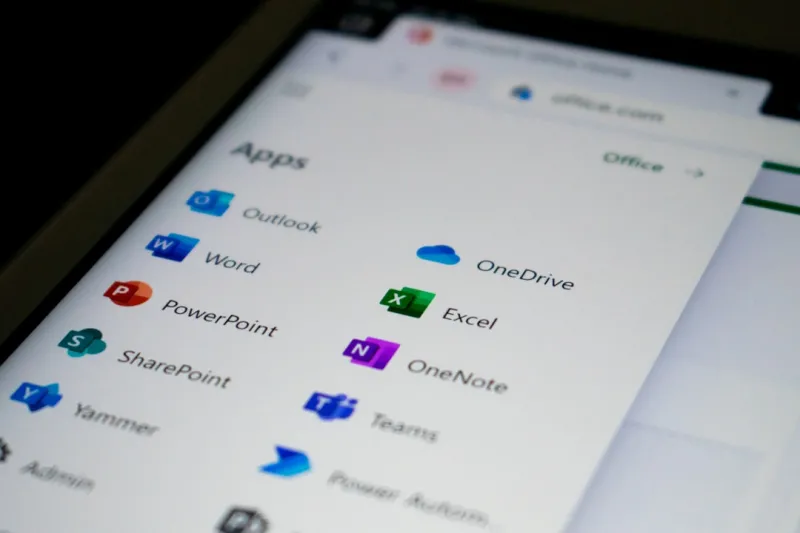
When I first got my hands on the original Office suite back in the early 2000s, I never imagined the platform would evolve into the AI‑powered, cloud‑centric powerhouse it is today. Fast forward to 2026, and Microsoft Office feels like a living organism, constantly learning from how we write, present, and collaborate. The integration of Microsoft 365 Copilot isn’t just a novelty; it’s reshaping how I draft proposals, generate data visualizations, and even schedule meetings. The real magic lies in the seamless handoff between Word, Excel, and Teams, where a single command can pull data from a spreadsheet, embed it into a presentation, and share it with a colleague in seconds. This fluidity has cut my project turnaround times by nearly 30%, and that’s not just me bragging—our internal metrics at Comp Doc consistently show a boost in productivity across the board. As we lean into hybrid work models, Office’s ability to sync across devices and maintain context has become non‑negotiable, making it the backbone of any modern knowledge worker’s toolkit.
The AI Copilot Evolution: From Helper to Co‑Creator
In 2024, I wrote about how Office was already leveraging AI to suggest edits and automate repetitive tasks. Today, Copilot acts more like a co‑author, capable of generating first drafts based on simple prompts, analyzing trends in data, and even suggesting design tweaks for PowerPoint decks. What’s striking is its contextual awareness; it remembers the tone of my previous documents, the branding guidelines of my organization, and the specific data sources I frequently use. For instance, asking Copilot to “create a quarterly sales summary with visual forecasts” pulls real‑time data from Power BI, formats it in Excel, and builds a polished slide deck—all without me opening three separate apps. This level of integration dramatically reduces cognitive load, letting me focus on strategic thinking rather than formatting minutiae. If you’re skeptical about AI taking over creative control, remember that Copilot still requires human guidance—think of it as a supercharged brainstorming partner that never sleeps.
Collaboration in Real Time: The New Normal
Collaboration has always been at the heart of Office, but 2026 pushes it into an immersive, real‑time arena. With the latest updates to Teams and the Office web apps, multiple users can edit a document simultaneously, see live cursors, and chat side‑by‑side without ever leaving the interface. What used to be a series of back‑and‑forth email attachments is now a fluid conversation where changes are instantly reflected. I’ve started using the “Focus Mode” in Word to dive deep into writing while still receiving inline comments that appear as subtle highlights, keeping the flow uninterrupted. Moreover, the integration with SharePoint’s version history ensures that we can roll back to any point in the document’s lifecycle, a safety net that’s especially valuable when Copilot suggests bold, unconventional language. For teams spread across time zones, this real‑time collaboration eliminates the lag that once hampered project momentum, turning the office suite into a truly global workspace.
Security Gets Personal: Protecting Your Content
Security is no longer a peripheral concern—it’s baked into every Office interaction. In 2026, Microsoft has rolled out adaptive authentication that evaluates the context of each sign‑in, from device health to user behavior, before granting access to sensitive documents. I recently read Why 2026 Is the Year Cybersecurity Gets Personal (And How to Stay Ahead), and the insights resonated deeply with my day‑to‑day workflow. Sensitive spreadsheets now carry dynamic watermarks that change based on the viewer’s permissions, and Azure Information Protection automatically classifies content, applying encryption on the fly. These measures mean that even if a file is inadvertently shared outside the organization, the data remains locked behind layers of policy. For me, the peace of mind that comes from knowing my client proposals and internal analytics are safeguarded is priceless, especially as AI tools become more capable of generating synthetic data that could be misused if exposed.
Cloud Integration: Seamless Access Anywhere
The cloud isn’t just a storage solution—it’s the connective tissue that powers Office’s intelligence. OneDrive for Business now offers “Smart Sync,” which predicts the files you’ll need based on your calendar and recent activity, pre‑loading them locally for offline access. I’ve found this particularly useful on long flights where internet connectivity is spotty; my presentations load instantly, and my notes stay synchronized once I’m back online. Additionally, the integration with Azure OpenAI services allows custom models to be deployed directly within Office apps, tailoring Copilot’s suggestions to industry‑specific jargon or regulatory language. This level of customization transforms Office from a generic suite into a specialized platform that adapts to the unique demands of sectors like finance, healthcare, and legal. The result is a smoother, more efficient workflow where cloud‑driven insights are just a keystroke away.
Data Visualization: From Numbers to Narratives
Excel has always been my go‑to for crunching numbers, but the new “Data Storytelling” features have taken it to a whole new level. Leveraging AI, Excel can now detect patterns, suggest the most effective chart types, and even generate accompanying narrative text that explains the trends. When I’m preparing a quarterly business review, I simply select my data range, click “Generate Insight,” and watch as a polished Power BI visual pops up, complete with annotations and a concise executive summary. This capability reduces the time spent on manual chart selection and ensures that the visuals are both accurate and compelling. Moreover, the integration with Power Point allows these visuals to be dragged directly onto slides, preserving interactivity and data links. For anyone who’s ever wrestled with turning raw data into a persuasive story, this AI‑driven approach is a game‑changer, turning spreadsheets into narrative engines.
Automation with Power Platform: Extending Office’s Reach
Beyond the core apps, the Power Platform (Power Automate, Power Apps, and Power Virtual Agents) empowers users to automate repetitive tasks without writing a single line of code. I’ve built a workflow that automatically pulls leads from Outlook, logs them into a SharePoint list, and notifies the sales team via Teams—all in under a minute of setup. These automations, now infused with AI, can make decisions based on sentiment analysis or predictive scoring, ensuring that only high‑quality leads are escalated. The best part? These solutions are embedded directly into the Office ecosystem, meaning you can trigger them from within Word or Excel using simple “Run Flow” commands. This democratization of automation lets non‑technical teammates contribute to process improvement, fostering a culture of continuous innovation across the organization.
Learning and Adoption: Keeping Up with the Pace
Staying current with Office’s rapid evolution can feel overwhelming, but Microsoft’s built‑in learning hub makes it manageable. The “Learn” pane inside each app offers bite‑size tutorials, interactive demos, and AI‑generated tips that appear contextually as you work. I’ve taken advantage of these micro‑learning sessions to master new features like “Designer” in PowerPoint, which suggests layout improvements based on the content you paste. Additionally, the community forums and Microsoft Learn pathways provide deeper dives for power users who want to customize Copilot or build advanced Power Platform automations. By dedicating just a few minutes each week to these resources, I’ve kept my skill set sharp, ensuring that my team and I can extract maximum value from every Office update. In a landscape where technology shifts daily, this incremental learning approach is both practical and effective.
The Future Outlook: Office in 2027 and Beyond
Looking ahead, I’m excited about the roadmap Microsoft has hinted at for 2027—a tighter fusion between Office and the emerging “AI‑First Operating Systems” that promise a truly contextual desktop experience. The concept of a “personal digital twin” that knows your work habits, preferences, and deadlines could revolutionize how we interact with documents, turning passive files into active collaborators. While the specifics are still under wraps, the trajectory suggests that Office will become even more proactive, offering suggestions before you even think to ask. As we continue to navigate a hybrid work world, the suite’s adaptability, security, and AI capabilities will remain pivotal. For now, embracing the tools at our disposal—Copilot, real‑time collaboration, cloud integration—will ensure we stay ahead of the curve and keep delivering results that matter.