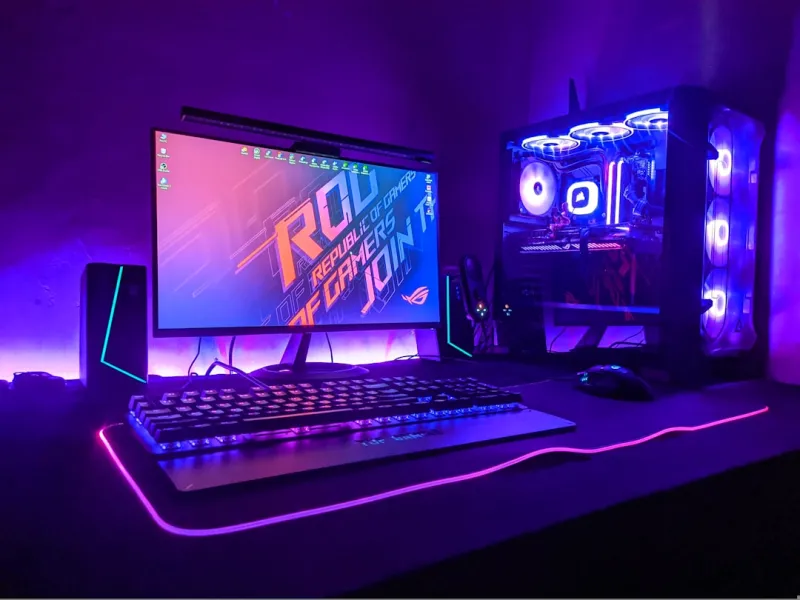
When I first set up my rig back in the early 2020s, a “future‑proof” build meant buying the biggest CPU you could find and hoping the rest of the world would catch up. Fast‑forward to 2026, and the upgrade landscape feels like a high‑speed train that never stops at the same station twice. From AI‑enhanced cores that can off‑load inference tasks to dedicated hardware‑level security blocks, every component now talks to the next like a well‑rehearsed orchestra. That’s why I’m pumped to break down the most compelling upgrades you can make right now—whether you’re a content creator chasing smoother renders, a gamer demanding buttery‑smooth frame rates, or a remote‑worker who can’t afford a single blue screen. In this post I’ll walk you through the why, the how, and the hidden pitfalls that can turn an otherwise sweet swap into a costly headache. Trust me, after 2026’s wave of smarter, faster, and safer hardware, staying static feels like watching your PC age in fast‑forward.
CPU: The Brain Gets Smarter, Not Just Bigger
The central processing unit has evolved from raw clock‑speed bragging rights to a nuanced blend of AI‑first instruction sets and power‑efficient cores. Modern 2026 processors pack dedicated tensor units that accelerate everything from video upscaling to real‑time AI‑assisted gaming, meaning you can offload those tasks without taxing your GPU. When evaluating a CPU upgrade, look beyond the GHz rating and check the AI acceleration tier—the higher the tier, the better your system will handle AI‑driven applications like upscaling in DaVinci Resolve or real‑time ray‑traced reflections in the latest titles. Pair that with a platform that supports PCIe 5.0 and DDR5‑5600 memory, and you’ve built a foundation that can handle tomorrow’s workloads without a bottleneck. Keep an eye on the motherboard’s power delivery, too; smarter silicon draws variable power spikes, and a robust VRM can mean the difference between stable overclocks and sudden crashes that leave you staring at a dreaded blue screen.
RAM: More Than Just Bigger Numbers
Memory in 2026 is no longer a passive reservoir; it’s an active participant in security and AI workloads. Upgrading to at least 32 GB of DDR5 with a 5600 MT/s rating will give you headroom for heavy multitasking, AI‑enhanced plugins, and the increasingly common practice of running virtual machines for testing edge‑compute code. But size alone isn’t enough—latency and error‑correction matter, especially if you dabble in video editing or 3D rendering where a single corrupted frame can ruin hours of work. If you ever suspect memory instability, I swear by the hands‑on guide in our Diagnosing and Fixing RAM Issues in 2026 playbook; it walks you through stress‑testing with MemTest86 and swapping out modules without breaking a sweat. Remember, a clean RAM upgrade can also unlock newer Windows 2026 features that rely on faster memory to accelerate AI‑driven background tasks, keeping your system responsive even under heavy load.
Storage: Speed Is No Longer a Luxury
In the era of 8K video and massive AI model files, storage speed directly impacts productivity. PCIe 5.0 NVMe SSDs now hit read/write speeds north of 14 GB/s, slashing load times for large game worlds and cutting compile times for software projects in half. If your current drive is a SATA III 2.5″ SSD, the performance uplift you’ll see after swapping to a PCIe 5.0 M.2 drive is akin to moving from a dirt road to a six‑lane highway—especially for workloads that involve streaming massive datasets. Don’t forget about endurance; modern drives come with TBW (terabytes written) ratings that can easily exceed 2 PB, so even heavy video editing sessions won’t wear them out quickly. Pair your new SSD with a reliable heatsink, as the sustained write speeds generate heat that can throttle performance if left unchecked. Finally, consider a tiered storage strategy: keep your OS and applications on the fastest NVMe tier, while archiving raw footage or large game libraries on a high‑capacity SATA or even a QLC‑based SSD for cost efficiency.
GPU: The Heart of Visual Performance
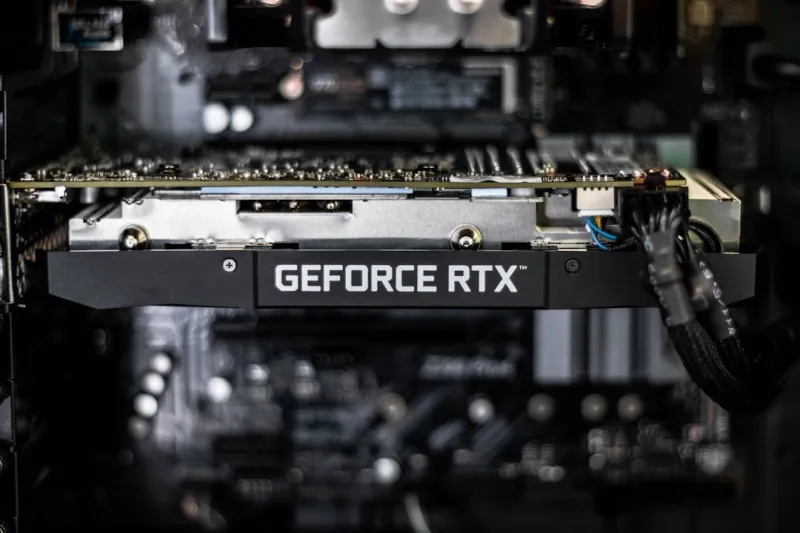
Graphics cards have become the most complex piece of consumer hardware on the market, integrating ray tracing cores, AI denoisers, and hardware‑level security modules. In 2026, the biggest bottleneck isn’t raw horsepower—it’s thermal and power efficiency. Upgrading to a GPU with a newer architecture means you’ll benefit from improved shader throughput, better DLSS‑like upscaling, and lower power draw per frame. However, modern GPUs can also be temperamental; stuttering, freezing, or sudden crashes often trace back to driver mismatches or firmware that hasn’t caught up with the latest Windows 2026 updates. If you run into those headaches, our deep dive in Why Modern GPUs Stutter, Freeze, and Crash in 2026—and How to Fix Them walks you through a systematic approach: from checking BIOS settings to reinstalling the latest WHQL drivers and even flashing the GPU BIOS when necessary. Don’t overlook the power supply’s wattage and rail stability; a GPU that pulls 450 W on load needs a clean, efficient PSU to avoid voltage dips that can trigger those dreaded blue screens.
Power & Cooling: The Unsung Heroes
Even the most impressive CPU and GPU upgrades can flop without a solid power and cooling foundation. In 2026, smart power supplies come equipped with AI‑driven load balancing that dynamically reallocates power to the component that needs it most, reducing waste and heat. Look for units that boast an 80+ Platinum rating and feature a digital controller with real‑time telemetry you can monitor via the motherboard’s UI. As for cooling, the rise of hybrid liquid‑air solutions means you can achieve sub‑50 °C temps under full load without the noise penalty of traditional AIOs. If you prefer air cooling, high‑static‑pressure fans with PWM control can keep dense radiators cool while staying whisper‑quiet. Remember, thermal throttling not only drags down performance but also shortens component lifespan. A well‑tuned cooling loop, paired with a smart PSU, ensures your upgrades run at peak efficiency and stay stable when you push the limits in gaming marathons or intensive rendering sessions.
Security: Hardware‑Level Protection Is No Longer Optional
Security in 2026 is baked right into the silicon. CPUs now ship with built‑in zero‑trust enclaves, GPUs have secure boot pathways, and even SSDs include hardware encryption that can’t be tampered with by malware. When selecting a new motherboard or upgrade kit, verify that it supports the latest TPM 2.2 standard and that the BIOS offers secure firmware update mechanisms. These features work hand‑in‑hand with the broader ecosystem described in our Network Intelligence in 2026 article, which explains how AI, zero‑trust, and smarter hardware are redefining connectivity. By ensuring your hardware can authenticate each component and encrypt traffic on the fly, you’re not just protecting data—you’re future‑proofing your PC against the next wave of ransomware and supply‑chain attacks that target vulnerable firmware.
Future‑Proofing: Building for the Next Five Years
What does it mean to future‑proof a PC in 2026? It’s less about buying the biggest spec today and more about choosing a platform that can evolve with you. Opt for a motherboard with multiple M.2 slots, PCIe 5.0 lanes, and support for DDR5 upgrades up to 64 GB. A modular case that accommodates both 2.5″ and 3.5″ drives, plus room for a full‑size GPU and a 360 mm radiator, gives you the physical flexibility to add or swap parts as new standards emerge. Keep an eye on firmware update roadmaps; manufacturers that promise at least three years of BIOS support are worth the extra dollars. Finally, maintain a clean software environment—regularly update drivers, run Windows 2026’s AI‑assisted diagnostics, and back up your system image before any major upgrade. This disciplined approach ensures that when the next breakthrough—be it quantum‑assisted AI cores or ultra‑low‑latency networking—hits the market, your rig is ready to plug in and take advantage without a complete rebuild.
Wrapping It Up: Your Upgrade Roadmap for 2026
At the end of the day, upgrading your PC isn’t just about chasing benchmarks; it’s about aligning technology with the way you work and play. Start by assessing your most pressing bottleneck—whether it’s sluggish load times, frequent crashes, or security concerns—and prioritize the upgrade that addresses that pain point. Remember the importance of a balanced system: a top‑tier GPU needs a capable CPU, and both need a reliable power delivery and cooling solution. Leverage the resources we’ve linked for deeper diagnostics, and don’t shy away from experimenting with AI‑enhanced tools that Windows 2026 offers to fine‑tune performance on the fly. With a thoughtful, phased approach, you’ll turn your rig into a resilient, high‑performance machine that not only meets today’s demands but also stands ready for the innovations coming down the pipeline. Happy building, and may your frames stay high and your blue screens stay in the past.