When I first opened my 2026 gaming rig this spring, the frame rates sputtered like a hiccuped heartbeat, and the system threw a cryptic memory error that even the most seasoned forums couldn’t decode. I quickly realized that, in an era where AI‑enhanced CPUs and DDR5‑5600 modules promise “instantaneous” performance, the humble RAM sticks are still the Achilles’ heel of many builds. In this post I’m pulling back the curtain on the most common memory pitfalls we’re seeing in 2026, why they matter more than ever, and how you can systematically squash them before they turn a flawless launch into a dreaded blue‑screen saga. You’ll hear my personal troubleshooting cadence—starting with the low‑level BIOS checks, moving through Windows diagnostics, and ending with a few hardware‑level hacks that even the newest motherboards sometimes need. By the end of the read, you’ll have a repeatable playbook that transforms a jittery PC into a memory‑steady machine, ready to ride the AI‑driven workloads of today’s software ecosystem.
Why Modern RAM Is a Different Beast in 2026
Memory technology has leapt forward in the last few years. DDR5 is now the default, with densities soaring past 64 GB per module and speeds breaching 6 GHz, while integrated ECC (Error‑Correcting Code) is creeping into high‑end consumer boards. But with great speed comes great complexity: timings, subtimings, and voltage curves that were once static are now dynamically managed by the motherboard’s firmware and the OS’s power‑profile engine. This dynamism is a double‑edged sword—on one hand it lets your system auto‑tune for performance; on the other, it can mask underlying incompatibilities that only surface under heavy AI inference loads or when the new AI‑driven silicon pushes the memory bus to its limits. Understanding that RAM is no longer just “plug‑and‑play” is the first step. You need to appreciate how voltage headroom, heat dissipation, and even firmware updates can change the way your modules behave from day one to the next, especially when the OS’s memory manager is constantly re‑balancing workloads across multiple cores and GPUs.
Symptoms That Point to Memory Mayhem
Before you start swapping sticks like a nervous chef, look for the classic tell‑tale signs that RAM is the culprit. Random application crashes that have nothing to do with the app’s code—especially during large dataset loads or while running AI‑enhanced photo editors—are often memory‑related. You’ll also see “System Thread Exception Not Handled” errors that masquerade as driver issues, but are really the result of corrupted memory pages. In 2026, many users mistake these for GPU problems, but a quick check of the Event Viewer will reveal a pattern of “Memory‑Error” warnings. Another red flag is the dreaded blue screen, which—despite years of improvements—still haunts PCs, as detailed in Why the Blue Screen Still Haunts 2026 PCs—and How to Fix It Fast. Even a subtle “CPU over‑clock throttling” message can be a side effect of faulty RAM, because the processor reduces its boost when the memory subsystem fails to keep up, leading to an overall performance dip that feels like a software bottleneck.
Getting the BIOS Right: First‑Line Defense
The BIOS/UEFI is where you gain the most control over memory behavior, and it’s the place I always start. First, ensure you’re running the latest firmware—manufacturers are now pushing micro‑code updates that refine DDR5 training algorithms, which can solve stability issues without any hardware changes. Next, disable the “Auto‑OC” feature temporarily; while it promises a performance bump, it often pushes voltage beyond what your modules can handle under sustained load, especially in hot cases. Set the memory frequency manually to the rated speed, and then adjust the CAS latency and sub‑timings to the manufacturer’s JEDEC defaults before you start fine‑tuning. If you have mixed‑capacity or mixed‑speed kits, force all modules to operate at the lowest common denominator; the temptation to “let the system decide” can lead to subtle timing mismatches that only appear under stress. Finally, enable the “Memory Remap” option—this tells the CPU to expose the full addressable space, which is crucial for systems with more than 64 GB of RAM, a configuration increasingly common in 2026 workstations.
Windows Diagnostic Arsenal: From Memory Diagnostic to Resource Monitor
Once the BIOS is locked down, let Windows do its part. The built‑in Windows Memory Diagnostic (type “mdsched” in the Run dialog) is a great starter, but it only scratches the surface. For a deeper dive, launch the Windows Performance Recorder and capture a trace while you run a memory‑intensive workload—think a 4K video render or an AI model inference. Analyze the trace in the Performance Analyzer; look for “Cache Miss” spikes and “Page Fault” bursts that exceed the normal baseline. The Resource Monitor can also highlight which processes are consuming the most “Hard Faults/sec”, a sign that the OS is constantly paging because it perceives memory as unavailable. If you spot a pattern where a specific app triggers hard faults, consider running that app with the “/lowmem” switch (if available) or allocate it a dedicated memory pool using the Windows “Set‑ProcessWorkingSetSize” API. Coupled with a quick run of wmic memorychip get BankLabel, Capacity, Speed, Manufacturer, you’ll have a clear picture of whether the OS sees all installed RAM correctly.
Stress‑Testing with Third‑Party Tools: The Real Proof
After the software checks, it’s time for a brute‑force test. Tools like MemTest86+ have been updated for DDR5 and now support ECC error logging, which is indispensable for catching intermittent bit flips that only appear under heat. Run at least three full passes at the highest supported frequency—if you see errors before the second pass, you likely have a defective stick or a timing issue. For those who prefer a Windows‑based suite, Why 2026 Is the Year Hardware Gets Smarter, Faster, and Safer recommends the “Prime95 Blend” test combined with the “AIDA64 System Stability Test” to hammer both CPU and memory simultaneously. Monitor temperatures with HWInfo64; DDR5 modules can run hot, and without adequate airflow a memory temperature above 85 °C can cause throttling and errors. If you’re running a liquid‑cooled system, double‑check that the RAM heat spreaders are making solid contact with the radiator. A successful stress test without errors is your green light to move on to the next stage of troubleshooting.
When to Reseat, Replace, or Refurbish
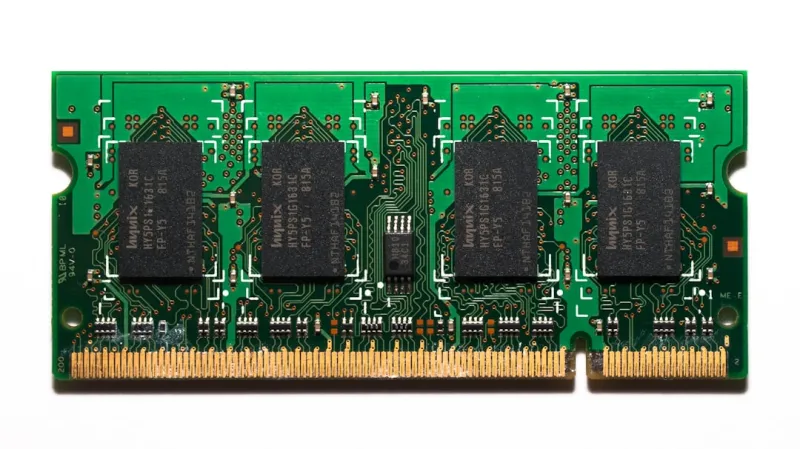
Even after all software and firmware adjustments, you might still be staring at a stubborn crash. At this point, physical inspection becomes critical. Power down, unplug, and remove each module one at a time, cleaning the gold contacts with a lint‑free cloth and a small amount of isopropyl alcohol. Reseat the modules firmly, ensuring the clips click into place—DDR5’s latches are more forgiving than DDR4’s, but a half‑insertion can still cause intermittent failures. If the issue follows a specific stick, you’ve identified a bad module. For systems that use mixed‑generation kits, consider swapping to a matched set from the same production batch; manufacturers now label modules with a “Bin” code that guarantees identical sub‑timings. In cases where the motherboard’s SPD (Serial Presence Detect) data appears corrupted—visible in the BIOS or via CPU‑Z—you may need to flash the SPD firmware, a process supported by many high‑end boards in 2026. Ultimately, if you’ve exhausted all diagnostics and the system still misbehaves, it’s time to replace the memory with a newer, higher‑density kit that offers better thermal headroom and tighter timings.
Future‑Proofing Your Memory Setup for AI‑Heavy Workloads
Looking ahead, the memory landscape will keep evolving, especially as AI workloads demand ever‑larger context windows. One practical tip is to over‑provision: aim for at least 32 GB of DDR5 on a workstation, even if your current applications only need 16 GB. The extra headroom not only prevents future bottlenecks but also reduces the frequency of swapping, which can wear out SSDs faster. Keep an eye on the emerging “LPDDR5X” modules that promise lower power draw and higher bandwidth, a feature that could become standard in ultrathin desktops and laptops by the end of 2026. Additionally, enable “Memory Guard” or similar hardware‑based integrity checks if your motherboard supports them; they provide a layer of protection against the rare, yet catastrophic, bit‑flips that can corrupt AI model weights. By pairing a solid memory foundation with the insights from this guide, you’ll be ready for the next wave of AI‑centric software without fearing a sudden crash in the middle of a critical task.
Wrapping Up: Your Memory Playbook in a Nutshell
In my two decades of tinkering with PCs, I’ve learned that RAM issues are rarely solved by a single fix; they demand a layered approach that starts at the firmware level, moves through OS diagnostics, and ends with rigorous stress testing. Remember to keep your BIOS updated, manually configure timings before letting “Auto‑OC” run wild, and always validate with both Windows tools and third‑party testers. Use the internal links to stay informed about broader hardware trends—like the smarter silicon discussed in AI Computing in 2026—so you can anticipate how future OS updates might interact with your memory. Armed with this playbook, you’ll turn those intermittent freezes, blue screens, and random crashes into a thing of the past, letting your 2026 rig unleash its full potential for gaming, content creation, and AI‑driven innovation.