When you hear the phrase “RAM is the new GPU” in 2026, it’s not just hype—it’s a reality shaped by AI‑driven workloads that gobble up memory faster than ever. As a longtime PC troubleshooter, I’ve seen users swap out 8 GB sticks for 32 GB modules only to end up with the same frustrating crashes, freezes, or dreaded blue screens. The difference now is that modern DDR5 and the emerging DDR6 standards bring higher frequencies, tighter timings, and on‑die ECC options that can mask or magnify issues depending on how they’re configured. In this post I’ll walk you through the most common memory failures you’ll encounter in 2026, the tools you need to isolate the culprit, and the practical steps you can take before you decide to throw your motherboard away. Think of this as a living checklist: each item is a small, actionable test that builds confidence in your system’s stability, whether you’re a gamer, a data‑scientist, or just someone trying to keep the family’s Zoom calls glitch‑free.
Recognizing the Tell‑Tale Signs of Bad RAM
The first clue that your memory is misbehaving often appears as random application crashes or “out of memory” alerts that make no sense on a system with ample capacity. In 2026, users also report sudden performance dips after a Windows update, or intermittent freezes that resolve after a reboot. If you notice that large AI inference tasks stall halfway through, or that your favorite game stutters at a consistent frame‑rate before the system reboots, you’re likely dealing with a timing or voltage mismatch. Symptoms such as corrupted files, unexpected reboots, and the classic blue screen of death (BSOD) are all on the radar for RAM issues. While some of these can be traced to software bugs, a pattern that repeats across multiple programs is a red flag that the hardware itself is at fault. Pay particular attention to error codes that reference “MEMORY_MANAGEMENT” or “PAGE_FAULT_IN_NONPAGED_AREA,” as these are direct indicators that the memory controller is struggling to keep up with the data flow.
Getting the Right Diagnostic Tools in Your Toolbox
Before you start pulling out screws, run a baseline memory test. Windows 11’s built‑in Memory Diagnostic has been upgraded for 2026, offering a quick “restart and test” option that flags obvious failures. For deeper analysis, I rely on MemTest86 Pro, which can stress every addressable cell for up to 24 hours, catching intermittent errors that short tests miss. If you’re comfortable with Linux, the stress-ng utility provides a flexible way to combine memory stress with CPU load, mimicking real‑world AI workloads. Record the number of passes each test completes without errors; three clean passes on a full‑suite run usually means the RAM is healthy. Should errors appear, note the exact addresses and patterns—they can help you pinpoint whether a single DIMM is at fault or if the issue lies in the memory controller on the motherboard. For those who prefer video tutorials, our Why Your RAM Keeps Crashing in 2026 (And How to Fix It Fast) guide walks you through interpreting MemTest86 logs step by step.
While diagnostics are essential, don’t overlook the role of firmware. Motherboard manufacturers release BIOS updates that refine memory training algorithms, especially for high‑speed DDR5 kits pushing 7200 MT/s. In 2026, many boards also support automatic voltage scaling based on temperature sensors, a feature that can cause instability if the default curves are too aggressive. Before you flash any BIOS, check the release notes for mentions of “memory stability” or “XMP profile improvements.” Updating to the latest firmware often resolves mysterious crashes that appeared after a Windows feature update, as the OS may be demanding more aggressive memory timings that older BIOS versions simply can’t handle.
Fine‑Tuning BIOS Settings and XMP Profiles
The BIOS is where the rubber meets the road for RAM performance. Enabling the manufacturer’s XMP (Extreme Memory Profile) is usually the quickest way to achieve advertised speeds, but in 2026 the default XMP settings can be borderline on certain motherboards. If you experience instability after enabling XMP, try manually adjusting the DRAM voltage by +0.05 V increments, or lowering the frequency by one step (e.g., from 7200 MT/s to 6800 MT/s). Pay close attention to the tCL, tRCD, tRP, and tRAS timings; tightening them too much can cause the kind of sporadic errors that only show up under heavy AI inference loads. Many enthusiasts now use the memory training visualizer built into newer UEFI interfaces to see how the controller negotiates each timing. If you notice “training failures” in the log, it’s a sign that the DIMM’s SPD data isn’t playing nicely with the board’s memory controller, and you may need to resort to a “manual profile” that mirrors the stable settings from a successful MemTest86 run.
Another often‑overlooked setting is the “Memory Hole” or “Remap” feature, which tells the system to ignore certain address ranges that could be reserved for integrated graphics or PCIe devices. In 2026, integrated GPUs are becoming more powerful and may claim up to 2 GB of system RAM for video buffers, effectively reducing the usable capacity and causing “out‑of‑memory” errors in memory‑intensive apps. Verify that your system’s “Memory Remap” option is enabled so the OS can see the full physical memory range. After making any changes, always re‑run MemTest86 to confirm stability before returning to your regular workflow.
Compatibility Checks: CPU, Motherboard, and New Memory Standards
Even if your sticks are advertised as DDR5‑7200, they may not be fully compatible with every 2026 CPU architecture. AMD’s Ryzen 9 8950X and Intel’s Core i9‑14900K have different memory controller designs, with Intel often favoring higher frequencies and AMD prioritizing tighter timings. Check the QVL (Qualified Vendor List) on your motherboard’s product page to see which kits have been validated for your specific CPU. If you’re mixing modules—say, a 16 GB 5600 MT/s stick with a 32 GB 7200 MT/s stick—the system will default to the lowest common denominator, potentially causing timing mismatches that manifest as intermittent crashes. In such cases, I recommend either using matched kits or disabling XMP and manually configuring a universal, stable profile that all modules can obey.
One emerging trend in 2026 is the introduction of DDR6 modules that promise bandwidths exceeding 10 GB/s per pin. While still niche, early adopters have reported that these modules demand stricter voltage regulation and benefit from motherboards with a dedicated “Memory Power Delivery” subsystem. If you’re building a future‑proof workstation, consider whether your board supports these newer modules, or stick with proven DDR5 kits that have a robust ecosystem of BIOS updates. For those who are unsure, our Why Your RAM Is Acting Up and How to Fix It in 2026 article provides a detailed matrix comparing CPU‑memory compatibility across the major platforms.
Software‑Side Culprits: Drivers, OS, and Blue Screens
Memory problems are not always hardware‑related. In 2026, many blue screen incidents trace back to outdated or mismatched graphics drivers that misuse system RAM for frame buffers, especially when combined with AI‑enhanced rendering pipelines. The Why Blue Screens Still Haunt 2026 PCs—and How to Beat Them guide explains how to isolate driver‑induced memory faults by booting into Safe Mode and performing a clean driver installation. Additionally, modern operating systems employ aggressive memory compression and paging algorithms to improve responsiveness, but when the underlying RAM is unstable, these features can exacerbate corruption. Monitoring tools like Windows’ Resource Monitor or Linux’s htop can reveal spikes in “Committed Memory” that coincide with application crashes, giving you a clue that the OS is compensating for failing hardware.
Another software angle involves memory leaks in poorly optimized AI models. If you’re running large language model inference locally, the process may not release allocated buffers, eventually exhausting RAM and triggering a crash that looks like a hardware fault. In such scenarios, containerizing the workload with resource limits (e.g., Docker’s --memory flag) can prevent the entire system from going down. However, if the leak persists even with generous limits, it’s worth revisiting the model’s configuration or updating to the latest library versions that include memory‑management fixes.
Hands‑On Hardware Checks: Reseating, Cleaning, and Power
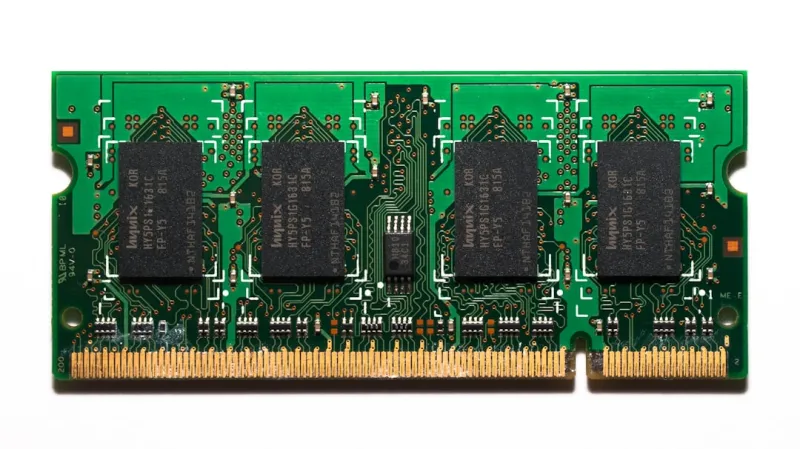
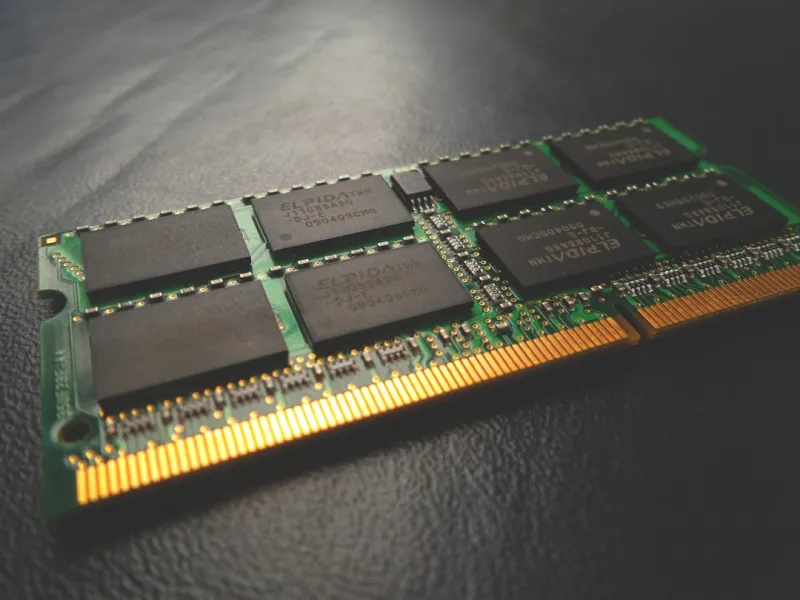
After exhausting software diagnostics, it’s time to get physical. Reseating the DIMMs is a simple yet often overlooked step; dust or a misaligned notch can cause intermittent contact, especially in high‑density kits that sit close to the CPU socket. Use a clean, anti‑static wrist strap, gently remove each stick, and blow out any debris with compressed air before reinstalling. When reinstalling, make sure the latch clicks firmly into place; a partially seated module can cause the exact error patterns you see in MemTest86—usually failing at the same address range each pass.
Power delivery is another hidden factor. In 2026, many high‑performance builds rely on modular PSUs that route power through separate cables for the CPU and GPU, but the memory rails are often shared with the motherboard’s VRM. A marginally under‑spec PSU can cause voltage droops under load, manifesting as RAM errors during intensive tasks. Use a multimeter or a USB‑C power monitor to verify that the 12 V rail remains stable during a stress test. If you suspect power issues, try swapping to a higher‑wattage unit or a PSU with a dedicated “+1.2 V” rail for memory, a feature becoming common on premium 2026 models.
Future‑Proofing: AI‑Ready Memory and ECC Considerations
Looking ahead, the next wave of AI‑ready hardware is emphasizing reliability as much as speed. ECC (Error‑Correcting Code) memory, once the domain of servers, is trickling down to enthusiast motherboards that support it on a per‑DIMM basis. While ECC adds a modest performance overhead, it can automatically correct single‑bit errors that would otherwise cause a crash, making it a worthwhile investment for professionals running continuous AI inference workloads. In addition, some DDR5 kits now feature on‑die ECC, offering a middle ground between standard non‑ECC modules and full‑blown server memory.
Finally, keep an eye on firmware updates for both your CPU and memory modules. Manufacturers are rolling out microcode patches that improve memory controller algorithms, reducing the likelihood of “random” crashes even on perfectly healthy sticks. Pair this with a regular maintenance schedule—cleaning contacts, checking for BIOS updates, and re‑validating your XMP profile after any major OS upgrade—and you’ll enjoy a stable, high‑performance system well into the next generation of AI‑driven applications. If you’ve followed the steps outlined here, you should be able to diagnose, fix, and even prevent the most common RAM headaches that plague 2026 PCs.