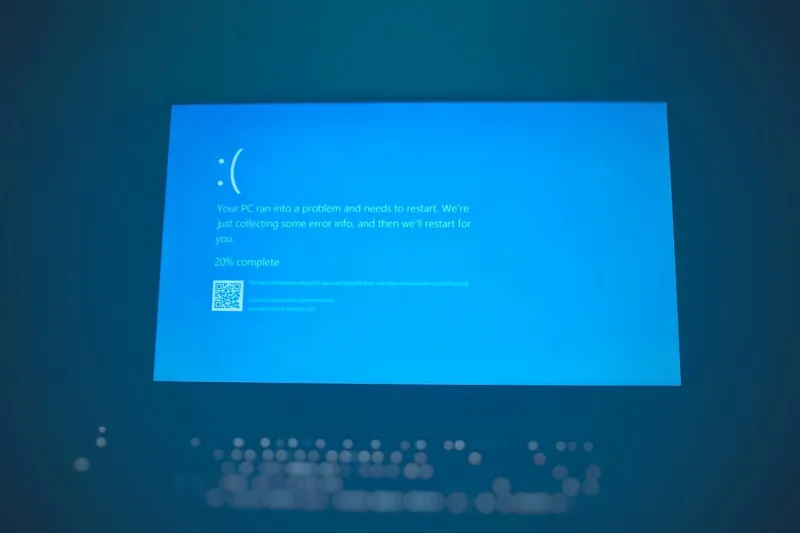
When my laptop flashed that ominous, cobalt‑blue warning in the middle of a deadline sprint last month, I felt a familiar mix of panic and curiosity. The Blue Screen of Death (BSOD) has evolved from a cryptic error code in the Windows XP era to a sophisticated diagnostic snapshot in today’s AI‑enhanced operating systems. Yet, even in 2026, that screen still haunts us like a stubborn ghost in a high‑tech house. In my years of tinkering with everything from vintage CRT rigs to the latest AI‑ready workstations, I’ve learned that the BSOD is less a random catastrophe and more a symptom of deeper system misalignments—drivers that haven’t kept pace with AI workloads, memory modules that can’t handle the new data churn, or firmware that’s out of sync with the operating system’s predictive models. In this post, I’ll walk you through why blue screens persist, how artificial intelligence is finally stepping in to diagnose and prevent them, and a hands‑on, step‑by‑step plan to keep your rig running smoothly without the dreaded flash of blue.
Why the Blue Screen Persists in 2026
The most common misconception is that Windows has “fixed” the BSOD once and for all. In reality, the blue screen is a safety net that Windows throws when the kernel detects an unrecoverable error. In 2026, the complexity of our software stacks has skyrocketed: AI‑accelerated apps, real‑time ray tracing, and edge‑computing workloads are demanding more from the CPU, GPU, and memory than ever before. When a driver—especially one built for legacy hardware—fails to translate these demands correctly, the kernel triggers a stop error to protect the system’s integrity. Moreover, the integration of AI‑driven background services adds another layer of potential conflict; if the AI model misclassifies a resource spike as malicious behavior, it can force a shutdown that manifests as a BSOD. Even the most polished OS builds can’t completely eliminate this risk because they must balance performance, security, and compatibility across an ever‑expanding hardware ecosystem.
Memory, Storage, and AI: The Hidden Triggers
One of the silent culprits behind many blue screens is faulty or mismatched RAM. In my experience, a single errant memory chip can cascade into system‑wide instability, especially when AI workloads are aggressively pre‑fetching data. That’s why I always recommend checking your memory health before you blame the OS. If you’re seeing frequent stops, give the Why Your RAM Keeps Crashing in 2026 (And How to Fix It Fast) guide a read; it breaks down diagnostic tools and quick fixes that can save you hours of downtime. Equally important is the storage layer. While SSDs dominate the market, traditional hard drives still play a pivotal role in archival and AI training datasets. A failing sector can corrupt a critical system file, prompting the kernel to halt. The article Hard Drives Remain Vital in the AI‑Driven 2026 Landscape dives into how to monitor drive health in an AI‑centric environment, and why you shouldn’t overlook the old‑school platter when troubleshooting a BSOD.
Beyond memory and storage, the rise of AI‑ready hardware has introduced a new set of variables. Modern motherboards now ship with firmware that can dynamically allocate resources to AI accelerators, but this flexibility comes with a trade‑off: a higher chance of firmware‑level mismatches. When the firmware tries to overclock a neural engine on the fly, a timing error can cascade into a kernel panic. That’s why the AI‑Driven Hardware Trends Shaping 2026 PC Builds article is essential reading; it outlines which BIOS/UEFI settings to watch and how to align them with your OS’s AI scheduler to keep the blue screen at bay. By synchronizing your hardware’s AI capabilities with the operating system’s expectations, you reduce the probability of a sudden stop error that would otherwise force you to reboot in a panic.
A Practical Playbook for Stopping the Crash
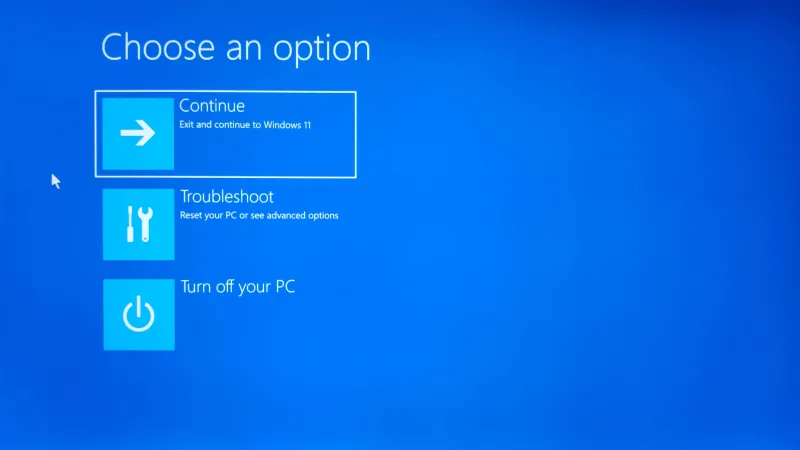
If you’re staring at that cobalt glare right now, there’s a systematic way to diagnose and fix the issue. First, boot into Safe Mode to isolate whether a third‑party driver is the trigger. Next, run the built‑in Windows Memory Diagnostic to catch any RAM anomalies. If those checks come back clean, move on to the Event Viewer and filter for “Critical” errors that correspond with the crash timestamp—look for driver names, memory addresses, or firmware IDs that appear repeatedly. Finally, leverage the AI‑powered diagnostic tools now integrated into Windows 12; they can analyze crash dumps and suggest precise driver rollbacks or firmware updates. Below is a concise checklist to keep handy:
- Enter Safe Mode (Shift + Restart) to bypass non‑essential drivers.
- Run Windows Memory Diagnostic or MemTest86 for at least two passes.
- Check Event Viewer > Windows Logs > System for BugCheck entries.
- Update all device drivers via the manufacturer’s AI‑driven utility.
- Apply the latest BIOS/UEFI firmware that supports AI resource scheduling.
- Run sfc /scannow and DISM /Online /Cleanup‑Image /RestoreHealth to repair system files.
Once you’ve methodically cleared each step, reboot normally and monitor for stability. If the blue screen returns, repeat the process, focusing on the most recent driver or firmware change. In many cases, a simple driver rollback—especially for graphics or network adapters that have been updated to “AI‑optimized” versions—can resolve the issue. Remember, the goal isn’t just to fix the symptom but to understand why the system chose to protect itself in the first place.
Future‑Proofing Your PC Against BSODs
Looking ahead, the best defense against blue screens is proactive maintenance powered by AI. Modern operating systems now include predictive analytics that warn you when a driver version is trending toward instability across the user base. Enabling these alerts in Settings > Update & Security > Windows Update > Advanced ensures you get real‑time recommendations before a problematic update lands on your machine. Additionally, consider investing in AI‑ready hardware that features built‑in self‑healing capabilities—some newer motherboards can automatically re‑flash corrupted firmware segments on the fly. Pair that with a regular backup strategy that leverages cloud‑AI snapshots; if a crash does occur, you can restore to a known‑good state in minutes rather than hours. By treating your PC as an evolving ecosystem—updating drivers, monitoring memory health, and harnessing AI diagnostics—you transform the BSOD from a dreaded surprise into a rare, manageable event.