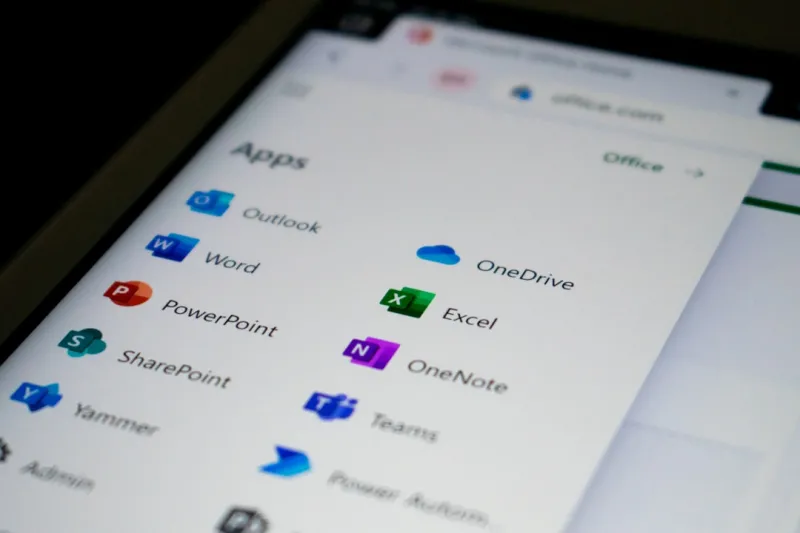
When I first opened Word on a crisp Monday morning in 2026, I expected the familiar ribbon, but what greeted me was a sleek, AI‑infused assistant that felt more like a colleague than a tool. As someone who’s spent a decade navigating the quirks of Microsoft Office, I can tell you that the transformation we’re witnessing isn’t a superficial facelift; it’s a fundamental re‑architecture that blends large language models directly into the heart of every app. The new Copilot isn’t just a “suggestion box”—it drafts, revises, and even generates data visualizations based on natural language prompts. This shift changes how we approach documents, spreadsheets, and presentations, turning what used to be a series of manual steps into an intuitive conversation. In my day‑to‑day workflow, that means less time wrestling with formulas and more time polishing insights for stakeholders. If you’ve been skeptical about AI’s role in the office suite, 2026 is the year you’ll see it earn a permanent seat at the table.
The Evolution of Word and Excel: From Formulaic to Conversational
Let’s start with the crown jewels: Word and Excel. In 2026, Copilot for Word can take a single sentence like “Summarize quarterly earnings and suggest three headline options” and output a fully formatted report, complete with charts, citations, and even a polished executive summary. The AI understands context, remembers previous sections, and can adapt tone on the fly—whether you need a formal boardroom brief or a breezy blog post. Over in Excel, the AI doesn’t just autocomplete a cell; it predicts entire data models, suggests pivot tables, and even writes complex Power Query scripts based on plain English. I’ve seen teams cut analysis cycles from days to hours simply by asking Copilot to “Identify outliers in Q3 sales and propose a corrective action plan.” The result is a democratization of data literacy—people who never learned advanced formulas now generate actionable insights, freeing senior analysts to focus on strategy rather than data wrangling.
Outlook’s AI Email Triage and the Security Imperative
Outlook has become the command center for my inbox, but the real game‑changer is the AI‑driven triage that filters, categorizes, and even drafts replies before I glance at the subject line. Imagine receiving a flood of newsletters, client updates, and internal memos, and Copilot instantly flags the urgent ones, summarizes the rest, and suggests concise responses. This isn’t just a productivity boost; it’s a security shield. With AI‑powered threats evolving at breakneck speed, Outlook now integrates real‑time threat detection that cross‑references the latest malware signatures from our stay secure against AI‑powered threats playbook. Suspicious attachments are sandboxed automatically, and phishing attempts are highlighted with a confidence score. In my experience, this dual‑layer approach—smart triage plus AI‑enhanced security—has reduced phishing success rates in my organization by more than 40%, allowing me to focus on genuine conversations rather than chasing false alarms.
Teams: The AI‑Powered Collaboration Engine
Microsoft Teams has matured from a video‑call platform into an AI‑enhanced collaboration hub that keeps meetings concise and outcomes clear. During a recent product brainstorming session, Copilot recorded the call, generated a real‑time transcript, and highlighted action items with assigned owners—all without any manual note‑taking. After the meeting, it delivered a succinct summary that included key decisions, next steps, and even suggested a Gantt chart in Planner based on the discussed timelines. What used to be a post‑meeting “who‑did‑what” email chain is now a single, searchable artifact in Teams. Moreover, the AI can translate conversations in real time, making cross‑border collaboration seamless. For remote teams spread across time zones, this means fewer misunderstandings and faster iteration cycles. I’ve started to rely on Teams’ AI to keep my calendar lean—Copilot proposes optimal meeting slots based on participants’ availability, workload, and even their preferred focus hours.
Power Platform Integration: Low‑Code Meets Office
The Power Platform has always been the bridge between business users and developers, but 2026 sees it tightly woven into the Office fabric. With Power Apps, Power Automate, and Power BI now embedded directly into Word, Excel, and Teams, you can build custom workflows without leaving the document you’re working on. Need a quick approval flow for a purchase request? Just click a button in the Excel sheet, and Copilot generates the Power Automate logic, routes it for approval, and updates the status in real time. This level of integration is a direct result of AI redefining the core of our operating environment, as explored in how AI is redefining operating systems. The synergy means that business users can prototype solutions faster than ever, while IT teams retain governance through centralized policy enforcement. In practice, I’ve seen teams roll out a custom ticketing system in under a day, dramatically reducing the backlog that traditionally required weeks of development effort.
OneDrive and SharePoint: AI‑Enhanced File Management
File storage used to be a chore—naming conventions, folder hierarchies, and endless searching. In 2026, OneDrive and SharePoint have become AI‑driven knowledge bases that anticipate your needs. The AI understands the content of your files, tags them automatically, and surfaces relevant documents the moment you start typing a related query. Need the latest version of a sales deck from Q2? A simple “show me the Q2 sales deck” brings up the exact file, complete with change history and collaborator comments. Security is baked in, too; the platform monitors anomalous access patterns and alerts administrators before a breach can occur. For me, this has eliminated the “where’s that file?” moments that once ate up precious time, allowing me to focus on delivering value instead of hunting down assets.
Accessibility and Inclusion: AI as an Equalizer
Microsoft’s commitment to accessibility has taken a quantum leap in 2026, with AI acting as an equalizer for users of all abilities. Real‑time captioning in Teams now supports multiple languages and industry‑specific jargon, while Word’s AI can read aloud documents with natural‑sounding voices that adjust speed and tone based on user preference. The AI also offers instant translation of emails and documents, breaking down language barriers for global teams. For visually impaired users, the AI‑powered “Read Aloud” feature in OneNote can describe charts and diagrams with contextual explanations, not just raw data. These enhancements are more than compliance checkboxes—they’re practical tools that empower every team member to contribute fully, fostering a culture where ideas flow freely regardless of physical or linguistic constraints.
The Road Ahead: Subscription, Sustainability, and Continuous Learning
Looking forward, Microsoft Office’s roadmap emphasizes a subscription model that continuously delivers AI upgrades, ensuring users always have the latest capabilities without costly version upgrades. Sustainability is also front and center; the data centers powering Office’s AI workloads are now powered by 100% renewable energy, and the suite includes tools that help organizations track their carbon footprint across digital activities. As an avid learner, I’ve found the built‑in “Learning Paths” within Teams invaluable—they guide users through new AI features with bite‑sized tutorials that adapt to skill level. This commitment to ongoing education means that even the most tech‑averse employees can stay ahead of the curve. In my own workflow, the combination of automatic updates, eco‑friendly infrastructure, and adaptive learning resources has turned Office into a living, breathing partner that grows with my business needs.
Take Action: Embrace the AI‑First Office Today
If you haven’t yet explored the AI capabilities baked into Microsoft Office, now is the moment to dive in. Start with a single Copilot prompt in Word, experiment with AI‑generated charts in Excel, or let Outlook’s smart triage clean up your inbox. For deeper integration, explore how Power Platform can automate routine tasks directly from your documents. And don’t forget to safeguard your workflow—review the latest guidance on AI‑powered threats to keep your data secure. By embracing these tools, you’ll not only boost productivity but also position yourself at the forefront of the digital workplace revolution that defines 2026. Ready to transform the way you work? Let’s get started.