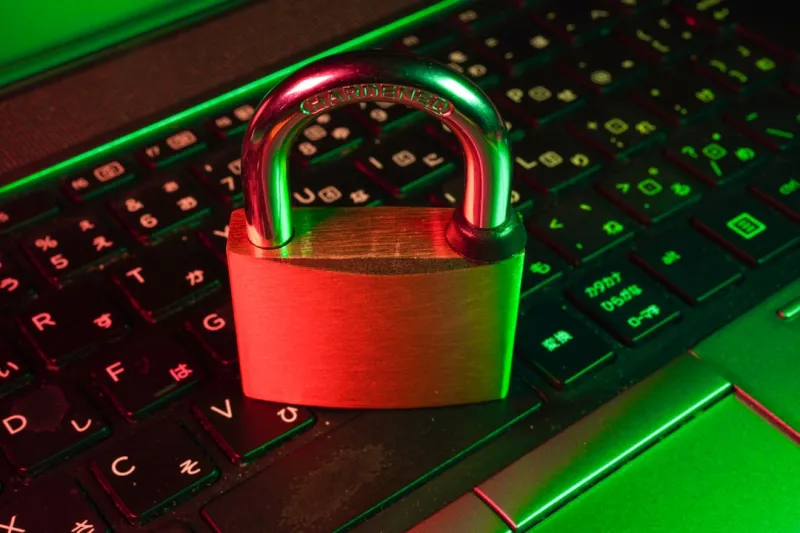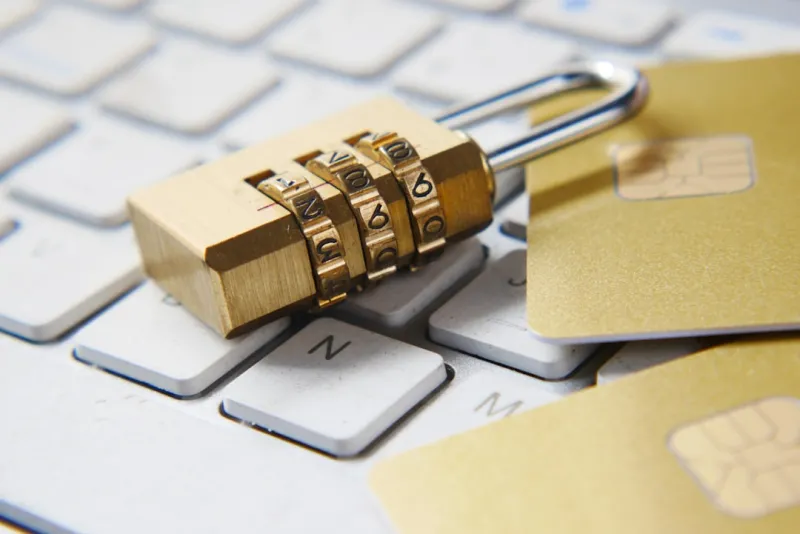
When I first cracked a password on a vintage PC back in the early 2000s, I never imagined I’d be writing about encryption as a daily habit in 2026. Today, every byte that crosses a network, lands on a SSD, or sits idle in the cloud is a potential target for sophisticated actors armed with AI‑driven tools. The stakes have escalated beyond corporate firewalls; our personal photos, health records, and even the AI models we train are all high‑value assets. That’s why I’m doubling down on encryption—not as a checkbox, but as a living, breathing part of my digital routine. In this post, I’ll walk you through why encryption matters more than ever, how emerging tech trends reshape its landscape, and the practical steps you can take right now to lock down your data. Trust me, the peace of mind you gain is worth the extra few minutes you’ll spend tweaking settings.
Why Encryption Matters More Than Ever
Encryption has come a long way from the days of DES and simple XOR tricks. In 2026, the default is AES‑256 for most workloads, but the rise of quantum‑ready adversaries forces us to rethink key lengths and algorithm choices. Symmetric encryption still reigns for bulk data, but asymmetric schemes like RSA are being supplanted by elliptic‑curve variants that offer comparable security with smaller keys—crucial for low‑power IoT devices. Meanwhile, homomorphic encryption is creeping out of research labs, letting us compute on encrypted data without ever exposing the raw values. This is a game‑changer for cloud‑based AI services, where data privacy regulations demand that sensitive inputs never leave the encrypted realm. As we integrate more AI at the edge, the need for end‑to‑end encryption that can survive both latency‑critical environments and quantum threats becomes non‑negotiable.
Zero‑trust architectures have taken encryption from a peripheral shield to a core tenet. By assuming every network segment could be compromised, zero‑trust forces us to encrypt both data in transit and data at rest, regardless of where it lives. The AI, Edge, and Zero‑Trust framework I follow insists on per‑session keys, frequent re‑keying, and device‑bound certificates that expire within hours. This relentless approach means even if an attacker snags a token, it becomes useless after a short window. The synergy between AI‑driven anomaly detection and robust encryption creates a feedback loop: encrypted traffic is inspected for irregular patterns without exposing the underlying content, dramatically reducing the attack surface.
Cloud providers have responded by offering built‑in encryption services, but the “shared responsibility” model still places the onus on you to manage keys correctly. Server‑side encryption (SSE) is convenient, yet if you let the provider hold the master key, you surrender a crucial control point. Customer‑managed keys (CMK) stored in a Hardware Security Module (HSM) give you the upper hand, but they also demand rigorous rotation policies and strict access controls. In practice, I combine a cloud‑native Key Management Service (KMS) with on‑premise HSMs for critical workloads, ensuring that no single point of failure can expose my encryption material. Remember, the strength of your encryption is only as good as the secrecy of your keys.
Practical Steps to Harden Your Data
First, enable full‑disk encryption (FDE) on every machine you touch. Windows 2026 ships with BitLocker that now integrates AI‑based health checks to detect tampering attempts. The Windows 2026: AI, Security, and Performance Tips guide shows how to automate TPM‑backed key provisioning, so you never have to type a password at boot—yet you retain airtight protection. For macOS users, FileVault 2 has been hardened with Secure Enclave support, making it equally resilient. The key is consistency: if you skip encryption on a single laptop, that device becomes the weak link that attackers exploit to pivot into your encrypted ecosystem.
Next, adopt a zero‑knowledge approach for your cloud storage. Services like OneDrive and Google Drive now offer client‑side encryption (CSE) options that encrypt files before they ever leave your device. Pair CSE with a personal password manager that stores your encryption passphrases behind a master password only you know. This way, even if the cloud provider suffers a breach, the stolen blobs remain indecipherable. I also recommend encrypting backups with a different key set than your primary data—think of it as a “cryptographic air‑gap” that safeguards you against ransomware that tries to corrupt or exfiltrate your restore points.
Key management is the unsung hero of encryption hygiene. I keep a master key in a dedicated YubiKey that requires both a physical tap and a PIN, then distribute derived keys to services using a secure key‑derivation function (KDF) like Argon2id. Rotate those derived keys every 90 days and retire any that show signs of compromise. If you’re using Azure or AWS, take advantage of their secret‑rotation APIs, but always audit the logs for anomalous access patterns. The How to Stay One Step Ahead of AI‑Driven Cyber Threats article details how AI can flag suspicious key usage before a breach fully materializes.
Don’t overlook encryption for your communications. End‑to‑end encrypted (E2EE) messaging apps now support post‑quantum algorithms in beta, and many corporate chat tools have added built‑in E2EE modes. When you configure VPNs, opt for WireGuard with ChaCha20‑Poly1305, which offers both speed and robust security. For email, PGP remains viable, but newer standards like OpenPGP with elliptic‑curve keys reduce overhead while maintaining strong protection. In my own workflow, I encrypt attachments with a one‑time password sent via a separate channel—a simple yet effective tactic that thwarts man‑in‑the‑middle attempts.
Finally, embed encryption into your development pipeline. Modern DevOps tools now support secret scanning, automatically rejecting commits that contain unencrypted keys or passwords. Integrate static application security testing (SAST) that flags weak cipher suites, and enforce TLS 1.3 everywhere. When you containerize AI workloads, use encrypted volumes for model weights and data sets, and ensure that the orchestration layer (Kubernetes, for instance) enforces pod‑to‑pod encryption with mutual TLS. By baking these controls into CI/CD, you eliminate the “forgot to encrypt” human error that plagues many organizations.
Encryption isn’t a set‑and‑forget technology; it’s a living strategy that evolves with the threat landscape. In 2026, the convergence of AI, edge computing, and zero‑trust demands a more disciplined approach than ever before. By securing your devices, managing keys like a vault, and leveraging modern cryptographic primitives, you can stay ahead of attackers who are increasingly leveraging AI to crack traditional defenses. Take these steps today, and you’ll not only protect your data but also build a resilient foundation for the next wave of digital innovation.