When I first started tinkering with PCs, viruses were the stuff of folklore—those clunky, email‑borne .exe files that crashed your system in a flash. Fast‑forward to 2026, and the malware landscape feels more like a sophisticated, multi‑vector threat ecosystem that can infiltrate a machine before you even finish booting up. As a power‑user who lives for the thrill of pushing hardware to its limits, I’ve learned that the old “install an antivirus and you’re safe” mantra no longer holds water. Modern malware blends AI, fileless execution, and supply‑chain hijacking into a stealthy cocktail that can slip past traditional defenses while siphoning data, encrypting drives, or even weaponizing your own GPU for cryptomining. In this deep dive, I’ll unpack how these threats have evolved, why they matter to anyone who treats their workstation as a productivity engine, and what practical steps you can take right now to stay ahead of the curve.
The Silent Evolution of Malware
One of the most alarming trends this year is the rise of “silent” malware—code that masquerades as legitimate system processes, often leveraging the very tools power‑users rely on. Unlike the noisy ransomware of the past, these actors use fileless techniques, executing payloads directly in memory and erasing traces before they can be detected. The result? A system that appears perfectly healthy while a hidden actor siphons credentials, monitors keystrokes, or even repurposes idle CPU cycles for illicit cryptocurrency mining. This stealth is amplified by AI‑driven obfuscation, where malicious code adapts its behavior based on the environment, making static signatures virtually obsolete. If you’ve ever been tempted to disable certain security layers for the sake of performance, you’re inadvertently opening the door to these invisible predators. Understanding this evolution is the first line of defense; it forces us to rethink security not as a peripheral concern but as an integral part of system design.
Why Power Users Are Prime Targets
Power users, by definition, push hardware and software to their limits—overclocked CPUs, custom BIOS tweaks, and a toolbox of third‑party utilities. These habits, while boosting performance, also expand the attack surface. Each tweak can create an undocumented configuration that malware can exploit, especially when combined with the frequent use of elevated privileges for driver installations or firmware updates. Moreover, the demand for cutting‑edge tools means power users often download beta software or side‑load drivers from less‑vetted sources, inadvertently providing a foothold for attackers. In 2026, we’ve also seen a surge in “malicious extensions” for popular productivity suites—tiny pieces of code that appear harmless but can exfiltrate data or embed backdoors. As someone who constantly optimizes my workflow, I’ve learned that the very shortcuts meant to save time can become the quickest paths for compromise if not scrutinized.
Supply‑Chain Attacks: The New Normal
Supply‑chain compromises have moved from rare, headline‑grabbing events to a baseline risk that every power user must factor into their security calculus. In the past year, several high‑profile software updates were silently weaponized, delivering malicious payloads to thousands of unsuspecting systems within hours. The trick? Hijacking the trusted update mechanism itself, so the malware arrives under the guise of a legitimate patch. For power users who rely on rapid firmware updates to squeeze out every ounce of performance, this is a particularly juicy target. The key mitigation strategy is to verify checksums and digital signatures before applying any update, and, when possible, to maintain a curated list of trusted vendors. Remember, a single compromised driver can grant kernel‑level access, rendering even the most robust endpoint protection ineffective.
AI‑Powered Malware: Learning to Adapt
Artificial intelligence isn’t just a buzzword for productivity tools; it’s now a weapon in the hands of cybercriminals. AI‑driven malware can analyze its host environment in real time, altering its behavior to avoid detection. For example, a malicious script might pause its activity if it detects a sandbox or a debugger, resuming only when it confirms it’s running on a genuine workstation. This adaptive capability makes traditional signature‑based solutions obsolete overnight. In my own experience, I’ve seen AI‑enhanced keyloggers that can distinguish between typing a password and casual browsing, targeting only high‑value credentials. To counter this, we need behavior‑based monitoring that looks for anomalies—like a sudden spike in outbound traffic from a GPU that’s normally idle—or the deployment of “zero‑trust” policies that restrict what processes can do, regardless of their apparent legitimacy.
Leveraging the GPU: A Double‑Edged Sword
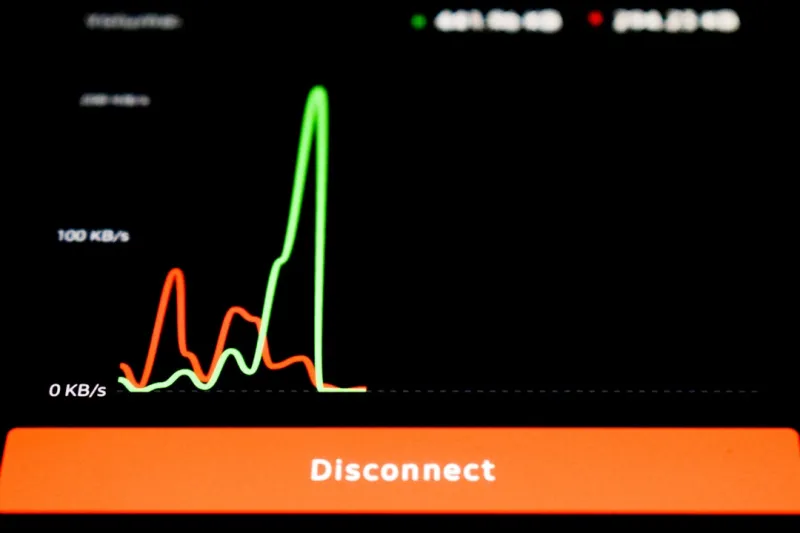
GPUs have become the workhorse for everything from 3D rendering to machine‑learning workloads, and that power makes them an attractive target for cryptojacking and other illicit activities. Modern malware can co‑opt your graphics card to mine cryptocurrency at full throttle while you’re busy editing a video or running a simulation, all without noticeable performance degradation—until your power bill spikes. The trick is that this activity often runs at low priority, slipping under the radar of conventional system monitors. If you’re a power user who relies on GPU acceleration, you need to keep an eye on utilization metrics and consider deploying tools that can isolate GPU processes. A quick glance at the GPU troubleshooting playbook can help you spot anomalies before they become a financial drain.
Hardening the Workstation: Practical Steps
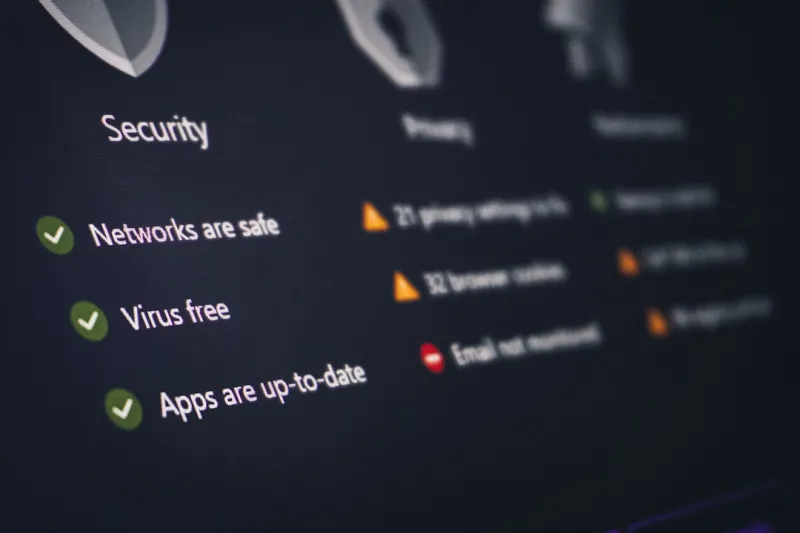
So, what can you do right now to fortify your rig against these advanced threats? Start with a layered defense approach: enable a reputable endpoint detection and response (EDR) solution that offers behavioral analytics, enforce strict application whitelisting, and regularly audit your system’s firmware versions. Next, consider sandboxing high‑risk utilities—run them in virtual machines or containers where they can’t affect the host. Don’t forget network segmentation; keep your primary workstation on a separate VLAN from IoT devices or guest networks. Finally, maintain a disciplined patch management routine, but verify each update’s integrity before deployment. By treating security as a core component of your power‑user workflow—much like you would a cooling solution—you’ll dramatically reduce the attack surface without sacrificing performance.
The Human Factor: Phishing in a Power‑User World
Even the most technically sophisticated workstation can fall prey to the oldest trick in the cyber‑crime handbook: phishing. In 2026, attackers have refined their lures, embedding malicious links within seemingly innocuous Slack messages, collaborative docs, or even AI‑generated code snippets. As power users, we’re accustomed to rapid information exchange, which can lead us to click before we think. The best defense remains vigilance: verify senders, hover over URLs, and use email authentication tools like DMARC and SPF. Moreover, adopt a habit of opening attachments in a secure, isolated environment first—think of it as a “sandbox before the sandbox” approach. The human element is often the weakest link, but it’s also the most improvable with consistent training and awareness.
Future‑Proofing Your Security Strategy
Looking ahead, the convergence of edge computing, 5G, and AI will only increase the complexity of the threat landscape. Power users who plan their setups for the next few years need to embed security into every layer—from hardware selection to software configuration. This means choosing motherboards with built‑in TPM 2.0, leveraging secure boot, and opting for SSDs that support hardware‑based encryption. It also means staying informed about emerging threats through reputable sources and community forums. A solid way to keep your knowledge fresh is to regularly revisit foundational guides, such as the Silent Evolution of Malware article, which provides a deep dive into the tactics currently shaping the industry.
Conclusion: Embrace Security as a Power‑User Discipline
In the end, safeguarding your workstation isn’t a one‑time checklist—it’s a continuous, iterative process that mirrors the way we approach performance tuning. By treating security as a core part of your power‑user mindset, you turn potential vulnerabilities into opportunities for optimization. Whether it’s scrutinizing every driver update, monitoring GPU usage for hidden cryptojacking, or staying ahead of AI‑driven malware, the tools and strategies are within reach. Remember, the same curiosity that drives you to extract every last gigahertz from your CPU can also guide you to outsmart the next generation of threats. Keep learning, stay vigilant, and let your workstation be a fortress as well as a powerhouse.