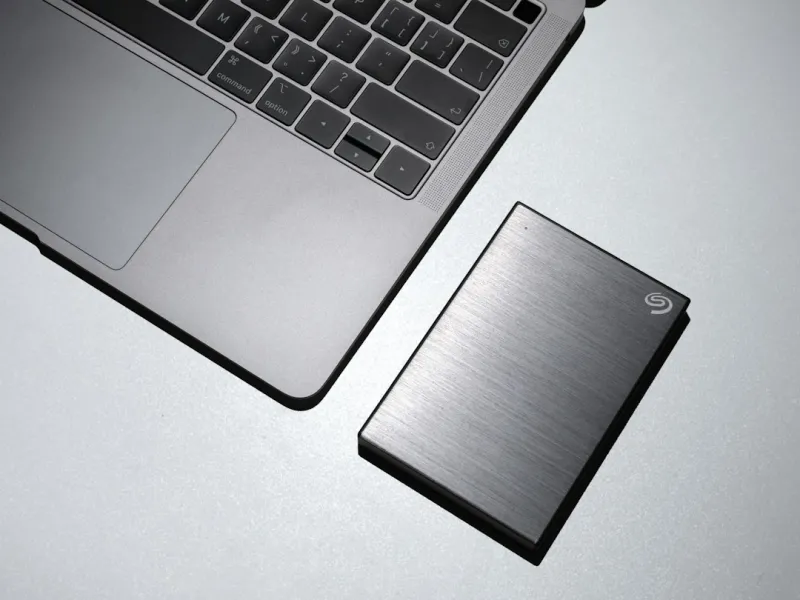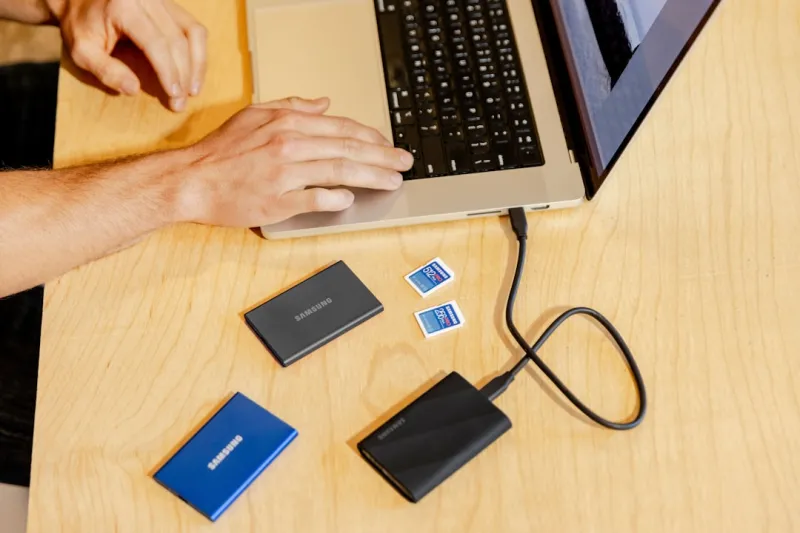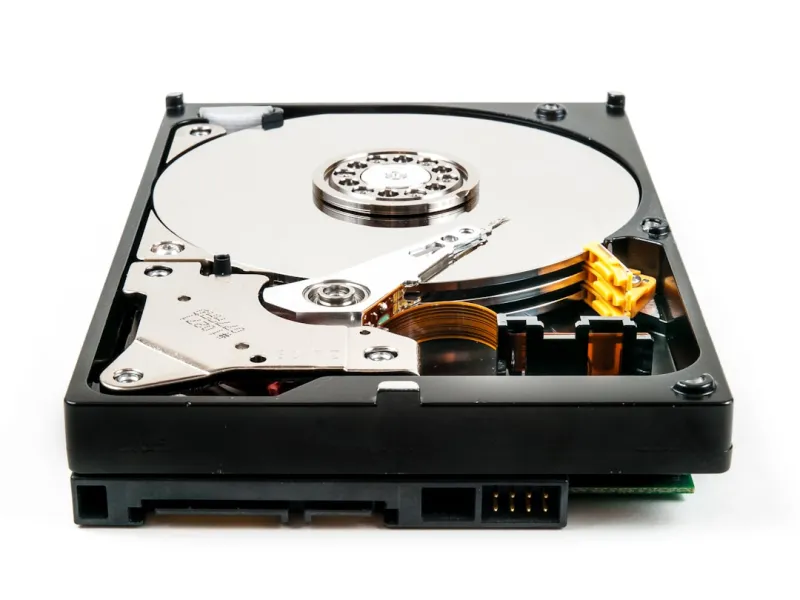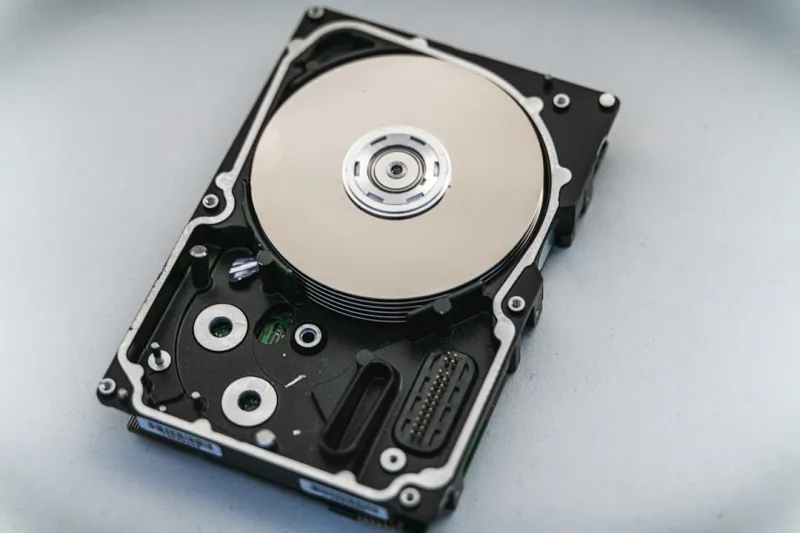
When I first unpacked a brand‑new 20‑TB hard drive back in early 2024, I could feel the hum of the spindle and the promise of a storage era that finally gave hobbyists and professionals alike the room to breathe. Fast forward to 2026, and the hard‑drive landscape has mutated into something that feels both nostalgic and futuristic at the same time. The classic platters still spin, but they now coexist with AI‑assisted error correction, ultra‑low‑latency caching, and firmware that can negotiate bandwidth with PCIe 6.0 NVMe SSDs in real time. As someone who’s been tinkering with everything from vintage PATA drives to the latest edge‑optimized storage arrays, I’ve learned that the hard drive is no longer just a backup bucket—it’s a strategic component in a data‑centric ecosystem where every millisecond counts. In this post I’ll walk you through the trends, the tech, and the practical steps you need to make the most of your hard‑drive investments in 2026, all while keeping an eye on security, performance, and future‑proofing.
The Speed‑and‑Capacity Arms Race: SSDs Meet HDDs
One of the most electrifying shifts this year has been the narrowing gap between SSD speed and HDD capacity. While NVMe drives on a PCIe 6.0 interface can now breach the 10 GB/s threshold, high‑density 18‑TB and 20‑TB hard drives are delivering sustained sequential reads above 250 MB/s thanks to multi‑actuator designs that double the number of read/write heads. This hybrid approach—combining traditional magnetic recording with a small, DRAM‑like cache—means that large media libraries, AI training datasets, and even 8K video archives can be accessed with a latency that feels almost SSD‑like. Manufacturers are also pushing the envelope with Shingled Magnetic Recording (SMR) and Helium‑filled enclosures that cut power draw by up to 30 %. For power‑hungry workstations or edge servers, this translates into a sweet spot where you get the massive storage density of HDDs without the thermal and energy penalties that once plagued them.
AI‑Powered Reliability: When Your Drive Gets Smarter
Reliability used to be a game of luck and regular backups, but 2026 has turned the tables with AI‑driven firmware that can predict and preempt failure before any bad sector even shows up. Modern drives now run onboard machine‑learning models that analyze vibration patterns, temperature fluctuations, and read‑error rates in real time. When the AI spots an anomaly, it can re‑allocate data to healthier platters, adjust spin speed, or even alert you through a dashboard integration. This isn’t just a gimmick; studies from leading OEMs show a 15‑20% reduction in unexpected drive failures when AI monitoring is enabled. Of course, this increased intelligence also introduces a new attack surface, which is why you’ll want to read our piece on AI‑Driven Malware in 2026: How to Stay One Step Ahead to understand how malicious actors might try to corrupt firmware and what you can do to stay ahead of them.
Security by Design: Hardware Encryption and Zero‑Trust Storage
Security has become a first‑class citizen in hard‑drive design, and the term “hardware encryption” is no longer a marketing buzzword—it’s a baseline requirement. Most 2026‑era enterprise‑grade drives ship with self‑encrypting drive (SED) capabilities that leverage AES‑256 encryption directly on the platter controller, meaning data is unreadable without proper authentication, even if the physical drive is removed. Coupled with the rise of zero‑trust architectures, these drives can enforce per‑block access policies, ensuring that only verified applications and users can decrypt specific data slices. When you pair a self‑encrypting HDD with a secure operating system like Windows 2026—covered in depth in our article Why Windows 2026 Is the Smart, Secure Hub We’ve Been Waiting For—you get a defense‑in‑depth approach that mitigates both ransomware and insider threats. For home users, enabling BitLocker on a trusted drive adds a layer of protection without sacrificing performance, thanks to hardware‑offloaded cryptographic engines that keep encryption overhead under 1%.
The Storage Hierarchy: Where HDDs Still Shine
In the grand orchestra of modern computing, each storage tier plays a distinct role. SSDs dominate the cache and OS boot layers, delivering lightning‑fast load times, while HDDs have reclaimed their throne as the reliable workhorse for bulk, infrequently accessed data. This hierarchical approach is especially evident in content‑creation rigs and AI training clusters, where terabytes of raw footage or massive datasets are stored on high‑capacity drives, and only the active slices live on SSD caches. The resurgence of smart‑tiering algorithms—now powered by AI—means the system can dynamically migrate files between SSD and HDD based on usage patterns, without you lifting a finger. As we discussed in Why 2026 Is the Year Hardware Gets Smarter, Faster, and Safer, this fluid movement not only optimizes performance but also extends the lifespan of each drive by reducing unnecessary write cycles on SSDs and wear on HDD spindles.
Buying Guide: What to Look for in a 2026 Hard Drive
Choosing the right hard drive in 2026 is less about picking the biggest capacity and more about matching the drive’s characteristics to your workload. Here’s a quick checklist to keep in mind:
- Capacity vs. Use‑Case: For media archives, 18‑TB or 20‑TB drives are ideal; for backup of critical data, consider a smaller 12‑TB drive with higher endurance ratings.
- TBW (Terabytes Written) & MTBF (Mean Time Between Failures): Look for drives with at least 2 PB TBW and an MTBF of 2 million hours for enterprise reliability.
- Interface: SATA III is still common, but U.2 and SAS 4.0 offer better scalability and lower latency for data‑center environments.
- Power Efficiency: Helium‑filled drives consume up to 30% less power, a boon for green‑focused builds.
- Security Features: Verify built‑in SED support and compatibility with your OS’s encryption tools.
If you’re upgrading a personal workstation, our guide Upgrade Your 2026 PC: Smart Paths to Faster, Safer, and Future‑Ready Performance walks you through pairing the right HDD with SSDs, ensuring you get the best bang for your buck without bottlenecking your workflow.
Future‑Proofing: Modular Drives and Edge‑Ready Storage
Looking ahead, the next wave of hard drives will be defined by modularity and edge‑centric design. Companies are now offering “drive‑as‑a‑service” platforms where you can swap out platters without powering down the entire system—a feature that will be a game‑changer for remote data centers and autonomous vehicles that need continuous operation. Moreover, AI‑enhanced firmware will soon support on‑the‑fly compression and deduplication, slashing the storage footprint for repetitive datasets like sensor logs. This means that today’s 20‑TB drive could effectively store the equivalent of 30‑TB of raw data thanks to intelligent data reduction. Investing in drives that support these emerging standards—such as NVMe‑over‑Fabrics (NVMe‑of‑F) and PCIe 6.0 hot‑swap capabilities—will safeguard your setup against obsolescence and keep you ready for the next AI‑driven data surge.
Maintenance & Monitoring: Keeping Your Drives Healthy
Even the smartest drives need a bit of human oversight. Regular health checks using SMART (Self‑Monitoring, Analysis, and Reporting Technology) remain essential, but 2026 tools have added AI layers that can visualize wear trends and suggest pre‑emptive actions. Set up automated alerts that trigger when a drive’s error rate spikes above a predefined threshold, and schedule quarterly full‑disk scans during low‑usage windows. Don’t forget to keep firmware up to date—manufacturers now release micro‑updates that refine AI models and patch security vulnerabilities. Physically, maintain proper airflow within your chassis; a rise of just 5 °C can accelerate bearing wear and increase the likelihood of head crashes. Finally, practice the “3‑2‑1” backup rule: three copies of your data, on two different media types, with one off‑site copy. This age‑old mantra, combined with modern AI monitoring, offers a bullet‑proof strategy against both hardware failures and ransomware attacks.
Conclusion: Embrace the Hybrid Era with Confidence
The hard‑drive renaissance of 2026 isn’t just about bigger numbers on a spec sheet; it’s about a smarter, more resilient storage ecosystem that blends the best of magnetic longevity with AI‑driven performance and security. By understanding the evolving tech—multi‑actuator designs, on‑board machine learning, and hardware encryption—you can make informed choices that keep your data safe, accessible, and future‑ready. Whether you’re a content creator curating terabytes of 8K footage, a data scientist training massive models, or a home user safeguarding cherished memories, the right hard drive can be the silent hero behind every successful workflow. So take the insights from this post, explore the linked deep‑dives, and give your storage stack the upgrade it deserves. Your data’s future depends on it.