When I first started writing code in the early 2010s, I imagined the future of software development would be defined by ever‑growing libraries and more powerful CPUs. Fast‑forward to 2026, and the landscape feels like a living organism that mutates daily. AI isn’t just a buzzword; it’s the co‑pilot that sits beside every developer, suggesting snippets, catching bugs before they compile, and even refactoring whole modules on the fly. I’ve watched my own workflow shift from manual pull‑requests to AI‑augmented reviews that cut feedback loops in half. This transition isn’t merely about speed—it’s about redefining what it means to “write code” when a machine can understand intent, predict edge cases, and propose optimal algorithms in seconds. In this article, I’ll walk you through the three pillars reshaping our craft: intelligent automation, hardened security, and relentless performance, all through the lens of a developer who lives and breathes these changes every day.
AI‑First Development: From Assistant to Architect
In 2026, AI assistants have graduated from autocomplete tools to genuine architectural partners. Platforms like GitHub Copilot X and open‑source equivalents now analyze entire codebases, suggesting not just one‑line completions but full‑stack designs that respect existing patterns and future scalability. I’ve started to treat these models as “design consultants” that propose micro‑service boundaries, data schema evolutions, and even testing strategies before I write the first line. The impact is tangible: development cycles that once stretched weeks now converge in days, and the mental load of keeping up with every emerging framework diminishes. However, this power comes with responsibility—developers must validate AI outputs, ensure they align with business logic, and guard against hidden biases. When leveraged correctly, AI becomes a catalyst that lets us focus on solving domain problems rather than wrestling with boilerplate code.
Security By Design: Zero Trust Is No Longer Optional
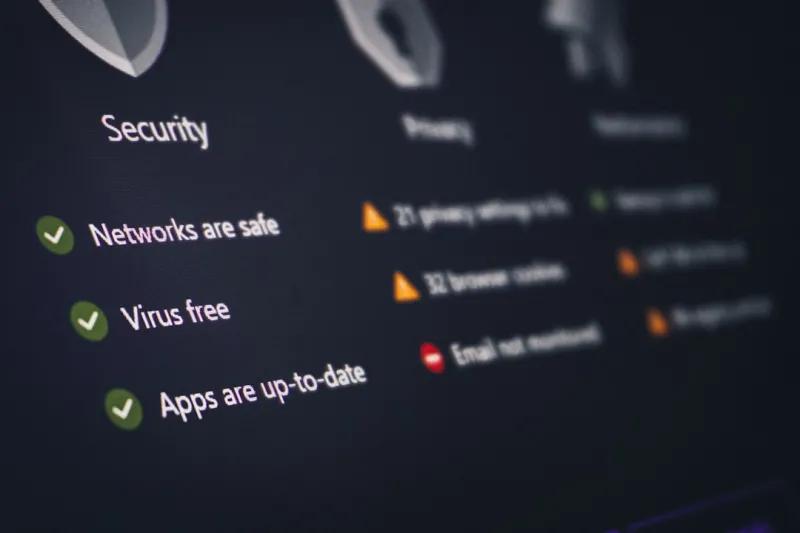
The rise of AI has paradoxically amplified security concerns. While models help spot vulnerabilities faster, attackers also weaponize AI to automate exploit discovery. In my recent projects, I’ve adopted a zero‑trust mindset from the very first commit, embedding security checks into every pipeline stage. This means static analysis tools now run AI‑driven heuristics that predict malicious patterns, while dependency scanners cross‑reference supply‑chain data in real time. The result is a development environment where security isn’t an afterthought but an integral metric, displayed alongside build success rates. Moreover, the industry is gravitating toward “shift‑left” practices where developers own threat modeling, using tools that translate risk assessments into actionable code changes. By treating security as a shared responsibility, we reduce the surface area for breaches and create software that can evolve safely in an increasingly hostile ecosystem.
Performance at the Edge: Harnessing Modern Hardware
Performance in 2026 isn’t just about faster CPUs; it’s about leveraging heterogeneous compute—GPUs, TPUs, and specialized AI accelerators—to offload heavy workloads. I recently migrated a real‑time analytics engine to run inference on a dedicated AI accelerator, slashing latency from seconds to milliseconds. This shift required rethinking data pipelines, but the payoff was immediate: users experienced near‑instant feedback, and our cloud costs dropped due to more efficient utilization. For developers, the challenge lies in abstracting hardware specifics without sacrificing control. Frameworks like ONNX Runtime and Vulkan Compute now provide cross‑platform APIs that let you target a spectrum of devices with a single codebase. If you want a deeper dive into building intelligent systems that capitalize on these advances, check out AI Computing in 2026: Building a Future‑Ready, Intelligent System. Mastering this balance between flexibility and performance is essential for staying competitive in today’s fast‑paced market.
DevOps Reimagined: AI‑Powered CI/CD Pipelines
Continuous integration and delivery have entered a new era where AI predicts build failures before they happen and auto‑optimizes deployment configurations based on runtime telemetry. In my experience, integrating AI models into the CI pipeline reduces failed releases by up to 40%, as the system flags risky code changes and recommends mitigations in real time. These intelligent pipelines also dynamically allocate resources, scaling test environments up or down based on the complexity of the code diff. The result is a leaner, more responsive development cycle that keeps pace with rapid feature delivery. For a broader view of how AI, security, and speed intersect in modern software creation, read The New Frontier of Software Development: AI, Security, and Speed. Embracing AI in DevOps not only accelerates delivery but also embeds a safety net that catches regressions before they reach production.
Tooling Evolution: Beyond the Traditional IDE
Integrated development environments have transformed into collaborative hubs powered by AI and cloud services. Today’s IDEs can auto‑generate documentation, suggest refactors based on usage analytics, and even simulate runtime behavior without a full compile. I’ve migrated my team to a cloud‑native IDE that syncs preferences across devices, allowing us to jump from a laptop at the office to a tablet at the coffee shop without missing a beat. This fluidity extends to version control, where AI resolves merge conflicts by understanding the semantic intent behind changes. If you’re curious about the larger implications of these shifts, the article Beyond Code: How AI, Security and Hardware Are Redefining Software Development offers a compelling exploration. The takeaway? Modern tooling is less about typing code and more about orchestrating intelligent assistants that amplify our creative capacity.
Collaboration in a Distributed World
Remote work isn’t a temporary trend; it’s the new norm, and it reshapes how development teams collaborate. Real‑time code sharing platforms now integrate AI bots that summarize pull‑request discussions, highlight action items, and even schedule follow‑up meetings based on team availability. I’ve seen teams cut meeting times by half because AI curates the most relevant context, letting developers focus on problem‑solving rather than endless status updates. Additionally, edge computing allows developers to test applications in environments that mirror the end‑user’s device, ensuring performance parity across diverse hardware. These collaborative technologies foster a culture where knowledge is instantly accessible, and decisions are data‑driven, accelerating both innovation and delivery.
Continuous Learning: The Developer’s New Superpower
Staying relevant in 2026 requires a mindset of perpetual learning, but the resources available today make that journey more efficient than ever. AI‑curated learning paths analyze your code history, suggest targeted tutorials, and even generate practice projects that align with emerging tech stacks. I allocate an hour each week to let an AI mentor review my recent commits, recommend new design patterns, and assign micro‑challenges that reinforce those concepts. This personalized approach transforms what used to be a passive consumption of webinars into an active, feedback‑rich experience. By integrating continuous education directly into the development workflow, we turn skill acquisition into a natural byproduct of daily coding, ensuring we remain adaptable in a field where change is the only constant.
Looking Ahead: Embrace the Fusion of Code and Intelligence
As we navigate the rest of 2026 and beyond, the synergy between AI, security, and performance will dictate who leads the next wave of software innovation. Developers who treat AI as a collaborative partner, embed security into every line of code, and harness the full spectrum of modern hardware will not only build faster applications but also more resilient, future‑proof solutions. My advice? Start small—experiment with AI assistants on a low‑risk project, adopt automated security checks in your CI pipeline, and benchmark performance on a variety of accelerators. The incremental gains will compound, creating a development ecosystem that feels both powerful and intuitive. Let’s continue the conversation in the comments and share the tools that have reshaped your own workflow.