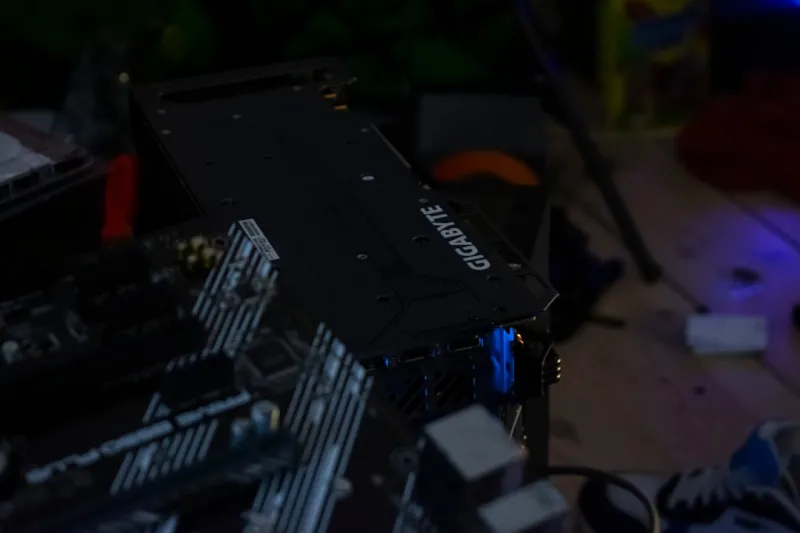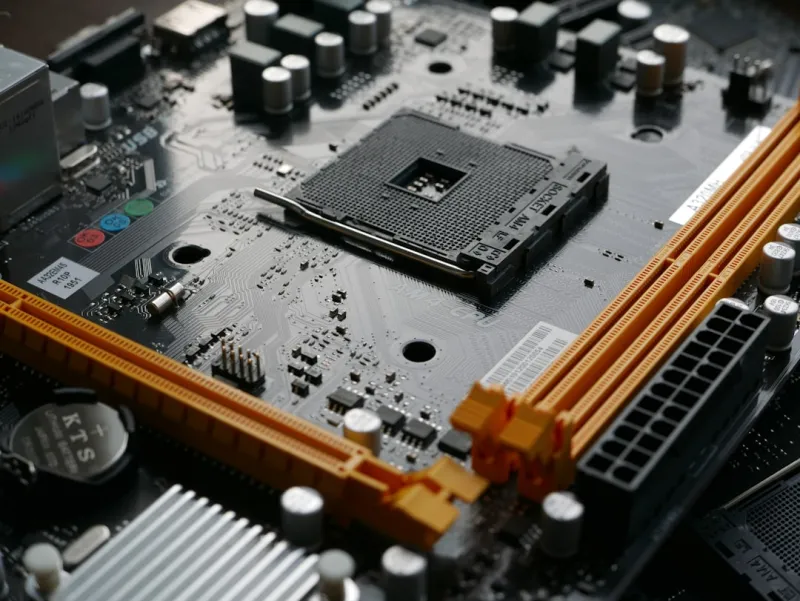
As a tech enthusiast, I'm always on the lookout for the latest advancements in computer hardware. One crucial component that often gets overlooked is the motherboard. It's the backbone of your computer, connecting all the other parts together and enabling them to communicate with each other. In this article, I'll be discussing the importance of motherboards, their evolution, and what to look for when choosing one. I'll also touch on some critical updates on computer hardware security that you need to know.
The Evolution of Motherboards
Motherboards have come a long way since their inception. From the early days of computing, motherboards were simple boards with a few components soldered onto them. Over time, they've become more complex, with the addition of new features and technologies. Today, motherboards are sophisticated pieces of hardware that play a critical role in determining the performance and security of your computer. One of the significant advancements in motherboard technology is the introduction of AI computing and its intersection with computer hardware security. You can learn more about this topic in our article on The Intersection of AI Computing and Computer Hardware Security.
What to Look for When Choosing a Motherboard
When choosing a motherboard, there are several factors to consider. First and foremost, you need to ensure that it's compatible with your processor. You also need to consider the type of memory (RAM) you want to use and ensure that the motherboard supports it. Additionally, you should look for a motherboard with robust security features to protect your computer from cyber threats. This includes features like secure boot, trusted platform module (TPM), and encryption. For more information on computer hardware security, check out our article on The Critical Importance of Computer Hardware Security.
The Importance of Computer Hardware Security
Computer hardware security is a critical aspect of modern computing. With the increasing threat of cyber attacks, it's essential to ensure that your computer's hardware is secure. This includes the motherboard, which is often the most vulnerable component. A secure motherboard can help protect your computer from zero-day exploits and other types of malware. For more information on this topic, check out our article on The Looming Threat of Zero-Day Exploits: A Growing Concern in Cybersecurity.
Troubleshooting Common Motherboard Issues
Like any other component, motherboards can sometimes fail or malfunction. If you're experiencing issues with your motherboard, it's essential to troubleshoot them quickly and efficiently. This includes checking for loose connections, ensuring that the motherboard is properly seated, and testing the memory (RAM) and other components. For more information on troubleshooting common issues, check out our article on Troubleshooting Memory (RAM) Issues: A Comprehensive Guide.
Common Motherboard Issues and Solutions
Some common motherboard issues include failure to boot, random shutdowns, and failure to detect peripherals. These issues can often be resolved by checking for loose connections, ensuring that the motherboard is properly seated, and testing the memory (RAM) and other components. In some cases, you may need to replace the motherboard or other components. It's also essential to ensure that your motherboard's BIOS is up to date and that you have the latest security patches installed.
The Future of Motherboards
As technology continues to advance, we can expect to see significant changes in motherboard design and functionality. One area that's likely to see significant growth is AI computing and its intersection with computer hardware security. We can also expect to see more emphasis on security features, such as secure boot and encryption. Additionally, we may see the introduction of new form factors, such as smaller motherboards for compact computers.
Conclusion
In conclusion, motherboards are a critical component of modern computing. They play a vital role in determining the performance and security of your computer. When choosing a motherboard, it's essential to consider factors such as compatibility, memory (RAM) support, and security features. By understanding the importance of motherboards and staying up to date with the latest advancements, you can ensure that your computer is secure and performs optimally.
Final Tips and Recommendations
Finally, here are some final tips and recommendations for choosing a motherboard. First, ensure that it's compatible with your processor and memory (RAM). Second, look for a motherboard with robust security features, such as secure boot and encryption. Third, consider the form factor and ensure that it's suitable for your needs. By following these tips, you can choose a motherboard that meets your needs and provides optimal performance and security.