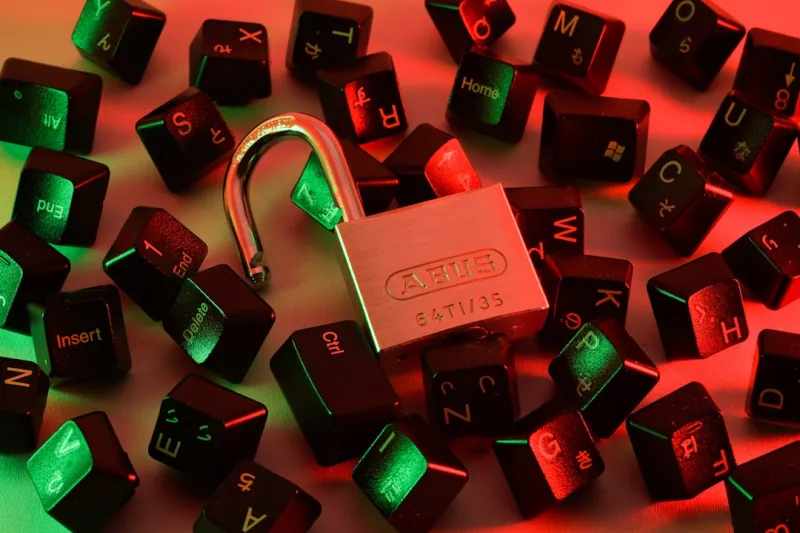
As we continue to navigate the ever-evolving landscape of computer security, it's essential to stay informed about the latest threats, trends, and best practices. In this article, I'll be discussing the critical importance of computer hardware security, a topic that's often overlooked but crucial in today's digital age. From the risks associated with outdated hardware to the emerging threats in the industry, we'll explore it all.
The State of Computer Hardware Security
The state of computer hardware security is a pressing concern that affects individuals and organizations alike. With the increasing reliance on technology, hardware vulnerabilities have become a significant threat to our digital lives. These vulnerabilities can be exploited by malicious actors, allowing them to gain unauthorized access to sensitive information, disrupt critical infrastructure, and even compromise national security. In my previous article, The State of Computer Hardware Security: Threats and Trends, I discussed the current state of computer hardware security, highlighting the key threats and trends in the industry.
One of the most significant challenges in computer hardware security is the lack of awareness about the risks associated with outdated hardware. Many individuals and organizations continue to use outdated hardware, which can leave them vulnerable to known security threats. For instance, outdated graphics cards can be exploited to gain unauthorized access to sensitive information. In fact, a recent study revealed that outdated graphics cards are one of the most common vulnerabilities in computer systems. This is why it's essential to stay informed about the latest hardware security threats and best practices for mitigating these risks.
The Risks of Outdated Hardware
Outdated hardware is a significant risk to computer security. When hardware is no longer supported by its manufacturer, it can leave users vulnerable to known security threats. For example, outdated video cards can be exploited to gain unauthorized access to sensitive information. This is why it's essential to regularly update your hardware and ensure that you're using the latest security patches and updates. In my previous article, Troubleshooting Video Cards: A Comprehensive Guide, I provided a comprehensive guide to troubleshooting video cards, including best practices for updating and maintaining your hardware.
Another significant risk associated with outdated hardware is the increased likelihood of data breaches. When hardware is no longer supported, it can become a weak link in your computer system, allowing malicious actors to gain unauthorized access to sensitive information. In fact, a recent study revealed that data breaches are one of the most common consequences of hardware vulnerabilities. This is why it's essential to prioritize hardware security and ensure that your computer system is equipped with the latest security features and updates.
The Future of Computer Hardware Security
As we look to the future, it's clear that computer hardware security will continue to play a critical role in protecting our digital lives. Emerging threats, such as AI-powered attacks and Internet of Things (IoT) vulnerabilities, will require innovative solutions and best practices to mitigate. In my previous article, The Intersection of AI and Cybersecurity: A New Era of Threats and Opportunities, I discussed the intersection of AI and cybersecurity, highlighting the emerging threats and opportunities in this space.
One of the most significant trends in computer hardware security is the increasing importance of software security. As hardware becomes more secure, software vulnerabilities will become a major concern. This is why it's essential to prioritize software security and ensure that your computer system is equipped with the latest security patches and updates. By prioritizing software security, you can help protect your digital life from emerging threats and ensure a secure computing experience.
Best Practices for Computer Hardware Security
So, what can you do to protect your computer hardware from emerging threats? Here are some best practices to keep in mind:
- Regularly update your hardware and software to ensure you have the latest security patches and updates.
- Use strong passwords and enable two-factor authentication to protect your computer system from unauthorized access.
- Use anti-virus software and firewalls to protect your computer system from malware and other online threats.
- Monitor your computer system for suspicious activity and report any issues to your IT department or security team.
By following these best practices, you can help protect your computer hardware from emerging threats and ensure a secure computing experience.
Conclusion
In conclusion, computer hardware security is a critical concern that affects individuals and organizations alike. By prioritizing hardware security and staying informed about the latest threats and best practices, you can help protect your digital life from emerging threats. Remember to regularly update your hardware and software, use strong passwords and enable two-factor authentication, and monitor your computer system for suspicious activity. By taking these steps, you can ensure a secure computing experience and protect your digital life from hardware vulnerabilities.
Thanks for reading, and I'll see you in the next article!