Understanding the Modern BSOD
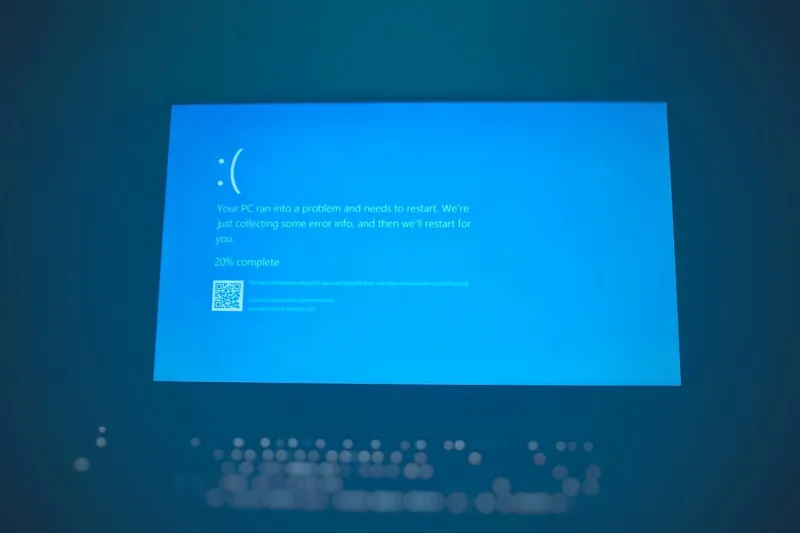
Every time my workstation sputters into that infamous electric‑blue canvas, I feel a mix of déjà vu and disbelief. Back in the early 2000s, a blue screen meant “the system died.” Fast‑forward to 2026, and the BSOD has morphed into a sophisticated diagnostic billboard, flashing cryptic AI‑generated error codes that look more like a sci‑fi script than a simple memory dump. As a long‑time PC enthusiast, I’ve watched Windows evolve from clunky, manual troubleshooting to an environment where the operating system itself tries to speak your language. Yet, the panic is still real—especially when you’re on a deadline or mid‑stream. In this article I’ll peel back the layers of today’s blue screen, explain why it’s different now, and walk you through a blend of old‑school grit and cutting‑edge AI tools that can get you back to productivity faster than you can say “kernel panic.” Buckle up; we’re diving deep into the hardware, software, and AI nuances that make 2026’s BSOD a unique beast worth taming.
The Evolution of the Blue Screen
Remember the days when the BSOD was a solid block of white text on a blue background, with a sad little frowning face? Those were the days of Windows XP and early Vista, when error messages were static and the only clue you got was a cryptic stop code. In 2026, the narrative has completely shifted. Thanks to AI‑infused operating systems, the blue screen now includes a dynamic overlay that suggests possible culprits, pulls in live telemetry from the system’s sensors, and even offers a one‑click “Send to AI Analyst” button. This change isn’t just cosmetic—it reflects a deeper integration of machine learning into the core of Windows. The OS constantly learns from billions of data points, meaning the BSOD can now differentiate between a rogue driver and a hardware fault with unprecedented accuracy. While this intelligence is a boon, it also adds layers of complexity; you’ll see error strings like AI‑ERR‑0x7F2B that require a new kind of literacy. Understanding this evolution is the first step toward mastering the modern crash.
AI‑Driven Diagnostics at Your Fingertips
One of the biggest game‑changers in 2026 is the AI‑driven diagnostics suite baked into Windows. When the blue screen appears, the OS automatically logs a detailed crash dump and runs it through a cloud‑based neural network that correlates your hardware profile with known failure patterns. Within seconds, you’ll receive a concise summary that might read: “Potential GPU driver conflict detected—update required.” This isn’t magic; it’s a massive, continuously trained model that ingests telemetry from millions of PCs worldwide. The benefit? You no longer need to sift through endless hexadecimal code or stare at a cryptic STOP code. Instead, the system presents actionable recommendations, such as rolling back to a previous driver version or checking BIOS settings. For power users like me, the AI diagnostics also expose hidden variables like temperature spikes, voltage irregularities, or even subtle memory timing issues that would otherwise go unnoticed. Leveraging this insight dramatically shortens the time from panic to resolution, turning the dreaded BSOD into a manageable, data‑rich event rather than an inscrutable mystery.
Hardware Triggers: Motherboards, RAM, and Power
Even with AI on our side, the root cause of many blue screens still traces back to hardware. The motherboard, for instance, is the central nervous system of any PC, and in 2026 its AI‑ready architecture adds both power and potential pitfalls. A misbehaving BIOS firmware, especially after a recent firmware flash, can trigger the dreaded STOP 0x9F error, indicating a critical kernel power failure. Likewise, RAM issues have become more nuanced; modern DDR5 modules now operate at higher frequencies, and a single timing mismatch can cascade into a full system halt. The AI in Windows will flag these anomalies, but the fix often requires a manual BIOS tweak or a reseating of DIMMs. Power delivery is another silent offender—fluctuations from aging PSU units or inconsistent rail voltage can cause the system to “protect” itself by blue‑screening. If you suspect a hardware culprit, start by consulting the Motherboards in 2026 guide for firmware update procedures and best‑practice BIOS settings.
Software Culprits: Drivers, AI Features, and Windows 2026
Software isn’t any less responsible for modern BSODs. The proliferation of AI features within the OS itself means that driver compatibility has never been more critical. A recent update to the AI‑accelerated graphics stack, for example, may conflict with legacy DirectX applications, resulting in a STOP 0x3B “SYSTEM_SERVICE_EXCEPTION.” Similarly, third‑party security suites that haven’t been patched for the latest AI‑driven threat models can inadvertently block essential system calls, prompting the OS to crash to protect data integrity. The Windows 2026 platform, detailed in Windows 2026: How AI, Security, and Performance Are Redefining the PC Experience, introduces a suite of smart services that constantly negotiate between performance and safety. When those services encounter an unexpected input—like a corrupted system file—they may elect to display a blue screen rather than silently degrade. The key takeaway is to keep all drivers, especially those for chipset, GPU, and storage controllers, up to date, and to regularly review the Windows Update release notes for AI‑related changes that could impact stability.
Step‑by‑Step Troubleshooting: From Panic to Resolution
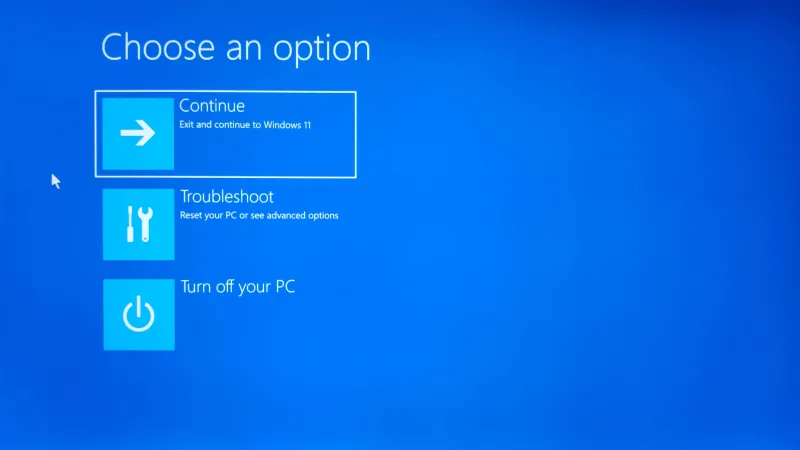
When that electric hue washes over your screen, the first instinct is to reboot and hope for the best. While a simple restart can clear transient glitches, systematic troubleshooting is essential for recurring issues. Start by noting the exact error code and any AI‑suggested messages displayed on the overlay. Next, enter Safe Mode via the advanced startup options—this boots Windows with a minimal driver set, allowing you to isolate whether a third‑party component is at fault. From Safe Mode, run the built‑in Windows Memory Diagnostic and let the AI analysis engine compare the results against its global failure database. If the crash points to a driver, use Device Manager to roll back or reinstall the offending driver. For BIOS‑related problems, access the firmware settings and look for a “Load Optimized Defaults” option, which can resolve misconfigurations introduced by recent updates. Finally, after each corrective action, perform a clean boot to confirm the system stabilizes before returning to normal operation. Document each step in a simple log; you’ll thank yourself when you need to reference the history during future incidents.
Leveraging Built‑In AI Recovery Tools
One of the most underutilized resources in 2026 is the suite of AI‑driven recovery utilities that Windows now ships with. The “AI Crash Analyzer” can be launched directly from the blue screen by pressing Ctrl + Shift + A, opening a lightweight overlay that scans your recent logs and proposes a ranked list of fixes. This tool pulls from a cloud‑based knowledge base that’s constantly refreshed with data from millions of devices, meaning you get community‑sourced solutions tailored to your exact hardware configuration. Another handy feature is the “Predictive Restart,” which monitors system health in real time and pre‑emptively schedules a safe reboot before a catastrophic failure occurs. Enabling these options in the Settings → System → Recovery menu can dramatically reduce downtime. Remember, these AI assistants are only as good as the data they receive, so make sure telemetry sharing is turned on unless you have a strict privacy policy in place. By embracing these built‑in tools, you turn the BSOD from a dead‑end into a proactive maintenance alert.
Preventative Strategies: Keeping the Blue at Bay
Prevention, as they say, is better than cure—especially when a blue screen can cost you hours of lost productivity. First, adopt a disciplined update cadence: set Windows Update to automatically download and install both security patches and AI feature upgrades, but schedule a weekly maintenance window to verify driver compatibility. Second, invest in a high‑quality power conditioning unit; clean, stable electricity eliminates one of the most common hardware triggers. Third, enable “Hardware Health Monitoring” in the BIOS, a feature that logs temperature, voltage, and fan speed anomalies and can alert you via Windows notifications before they become fatal. Fourth, maintain a lean software environment—remove legacy applications that haven’t been updated for the AI‑centric OS, and regularly audit startup programs to reduce background noise. Finally, back up critical data using a hybrid approach: local snapshots for rapid recovery and cloud backups for disaster resilience. By weaving these habits into your routine, you’ll dramatically lower the odds of a surprise blue screen hijacking your day.
Looking Ahead: AI That Prevents BSODs Entirely
While today’s AI can diagnose and suggest fixes, the next frontier is predictive prevention—systems that anticipate failures before they happen. In 2026, several motherboard manufacturers have begun embedding edge‑AI chips that continuously analyze sensor data, learning the unique “heartbeat” of your PC. When an anomaly deviates beyond a learned threshold, the firmware can throttle workloads, adjust voltages, or even isolate a rogue component without user intervention. Coupled with Windows’ cloud‑based AI model, this creates a feedback loop where individual machines contribute to a collective intelligence, refining failure predictions across the entire ecosystem. Imagine a future where your PC receives a subtle notification: “CPU temperature trending upward—reducing boost clock by 5% to avoid instability.” In such a scenario, the blue screen becomes a relic, replaced by proactive self‑healing mechanisms. As we move toward that reality, staying informed and keeping your system’s AI components up to date will be the best way to ride the wave of this transformative technology.
Final Thoughts from Shawn
Blue screens will likely remain part of the PC experience for the foreseeable future, but they no longer have to be the end of the world. By understanding the AI‑enhanced diagnostics, staying on top of hardware health, and leveraging the powerful recovery tools baked into Windows 2026, you can turn each crash into a learning opportunity rather than a productivity nightmare. My own journey from frantic reboots to confident, data‑driven troubleshooting has taught me that the key is not just reacting, but proactively shaping a resilient system. I hope the strategies outlined here empower you to keep your machine humming smoothly, even as AI continues to reshape the computing landscape. Feel free to drop a comment below with your own BSOD stories or questions—I’m always eager to swap war tales and solutions with fellow tech enthusiasts.