When you think about Windows in 2026, it’s hard not to feel a mix of nostalgia and awe. I still remember the clunky boot screens of the early 2010s, but today our desktops greet us with fluid, AI‑driven assistants that anticipate our next move before we even type it. As someone who has been tinkering with Windows ever since the days of Windows XP, I’ve watched the platform evolve from a simple operating system into a living, learning ecosystem. This year, the changes feel less like incremental patches and more like a full‑scale reinvention—think of Windows as a digital co‑pilot that not only reacts to commands but also reads the subtle cues of your workflow, adjusting resources on the fly. The shift isn’t just cosmetic; it’s a deep architectural overhaul that redefines how we interact with our PCs, and it’s happening right now, in the middle of 2026.
AI‑Infused Features Are No Longer a Gimmick
Microsoft’s integration of generative AI into Windows has moved past the hype stage and settled into everyday utility. The new AI‑Infused Features act as a contextual layer, offering real‑time suggestions for file organization, predictive power‑settings, and even automatic code snippets for developers. Imagine drafting an email and having the system draft a polite closing line based on the recipient’s past communication style, all without you lifting a finger. This isn’t a distant vision; it’s active on my own machine, learning from my habits and subtly nudging me toward more efficient workflows. The AI engine sits deep within the OS kernel, leveraging the latest large language models to keep latency low, meaning the experience feels native rather than an added overlay.
Security Gets a Quantum Leap
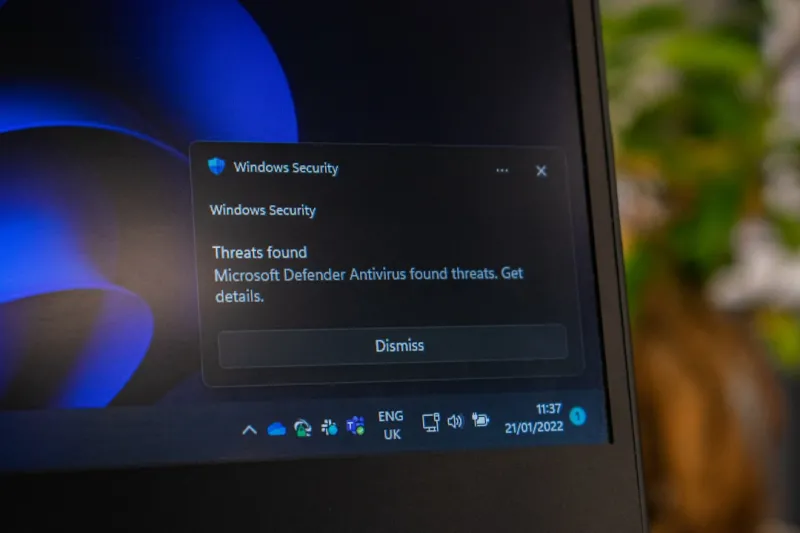
Security in 2026 is no longer about firewalls and antivirus signatures; it’s about proactive, AI‑driven threat hunting and robust cryptography. The new Windows security suite continuously scans system behavior, flagging anomalies before they manifest as full‑blown attacks. Coupled with hardware‑rooted enclaves, the OS can isolate suspicious processes, effectively sandboxing potential malware without degrading performance. Strong encryption is now baked into every layer, from file system to cloud sync, making data breaches a far rarer occurrence. For those who want to dive deeper, the piece on Encryption in 2026 breaks down why Microsoft has made quantum‑resistant algorithms the default, ensuring that even future‑proof attacks struggle to crack our data. This paradigm shift means that, as users, we can finally trust that our personal and professional information stays private, even in an increasingly hostile digital landscape.
Performance Meets AI‑Ready Hardware
The marriage of AI‑ready silicon and Windows’ new scheduler has turned performance optimization into an art form. Modern CPUs now include dedicated neural processing units (NPUs) that Windows can offload tasks to, such as real‑time video transcoding, AI‑enhanced gaming graphics, and on‑the‑fly language translation. The OS intelligently balances workloads, pushing background AI models to idle cores while keeping the primary user experience buttery smooth. This synergy is especially evident in high‑resolution content creation, where the system predicts when you’ll need more GPU horsepower and pre‑emptively allocates resources, cutting render times by up to 30 %. As a long‑time Windows power user, I’ve felt this impact first‑hand when editing 8K footage; the workflow feels less like a wait‑and‑see and more like a seamless extension of my creative thought process.
Personalization Becomes Proactive, Not Reactive
Personalization in Windows 2026 isn’t just about dark mode or custom wallpapers; it’s about a living desktop that reshapes itself to match the context of your day. Using contextual AI, the OS can detect whether you’re in a meeting, coding, or gaming, and automatically switch themes, notification settings, and even peripheral profiles to suit the activity. For example, during a Teams call, Windows will dim unnecessary notifications, prioritize microphone input, and even suggest relevant documents based on the meeting agenda. This level of dynamism was once the realm of third‑party tools, but now it’s a native part of the OS, reducing the need for manual tweaks. The result? A workspace that feels intuitively aligned with your intent, cutting down on the cognitive load of constantly reconfiguring settings.
Developer Ecosystem Thrives on Compatibility
One of the most compelling aspects of Windows’ evolution is how it maintains backward compatibility while embracing modern development paradigms. The introduction of the AI‑Powered Operating Systems framework gives developers access to built‑in AI services without adding heavyweight SDKs. This means legacy applications can tap into modern AI features via lightweight APIs, extending their lifespan and relevance. Moreover, the new Windows Subsystem for Linux (WSL) version 3 now supports GPU acceleration out of the box, enabling data scientists to run heavy models directly on their Windows machines without a dual‑boot setup. As a developer, I appreciate how Microsoft has balanced the need for innovation with the practical reality of existing codebases, ensuring that the transition to AI‑centric workloads feels natural rather than forced.
Blue Screens Still Haunt Some, but There’s Hope
Even with all the advances, the infamous Blue Screen of Death (BSOD) hasn’t vanished entirely. In 2026, BSODs are rarer, but they’re often linked to mismatched drivers for the new AI accelerators or misconfigured security policies. Microsoft’s diagnostic tools have become more user‑friendly, providing step‑by‑step remediation guides and auto‑downloading compatible driver packs. For those who encounter a crash, the “Troubleshoot My PC” wizard now incorporates AI analysis to pinpoint the exact subsystem at fault, dramatically reducing downtime. I’ve personally seen the new system resolve a recurring BSOD in under five minutes—a stark contrast to the hour‑long hunts of just a few years ago. While we’re not completely immune to crashes, the ecosystem’s resilience has improved dramatically, offering a safety net that was missing in earlier Windows generations.
The Road Ahead: What Windows Might Look Like in 2027
Looking forward, Microsoft has hinted at a deeper convergence between Windows and the cloud, where your OS becomes a thin client that streams AI workloads from massive data centers. This vision promises to offload even more intensive tasks—like real‑time 3D rendering or massive language model inference—to remote GPUs, keeping local hardware lean while still delivering powerhouse performance. Additionally, the next wave of Windows updates is expected to tighten integration with mixed reality, allowing developers to build seamless AR experiences that feel native to the desktop. As someone who’s been on the Windows journey for decades, the prospect of an OS that continuously learns and evolves in sync with the cloud feels both exhilarating and a little daunting. Yet the trajectory suggests a future where the line between hardware and software blurs, creating a fluid digital environment that adapts to each user’s unique rhythm.
Practical Tips to Harness Windows 2026 Today
To get the most out of Windows in 2026, start by enabling the new “Smart Performance” toggle in Settings → System → Performance. This activates AI‑driven resource allocation, ensuring that background tasks don’t steal focus from your primary work. Next, review the “Security Center” dashboard and enable “Predictive Threat Protection,” which leverages Microsoft’s cloud‑based AI to flag emerging threats before they hit your device. Don’t forget to explore the revamped “Personalization” hub, where you can set activity‑based themes and notification profiles. Lastly, if you’re a developer, install the latest Windows SDK and experiment with the built‑in AI APIs—they’re designed to be plug‑and‑play, allowing you to add intelligent features to legacy apps with minimal code changes. By adopting these settings now, you’ll future‑proof your machine and enjoy a smoother, safer, and smarter Windows experience throughout the rest of 2026.
Wrapping Up: Windows Is Finally Becoming the Adaptive Partner It Promised to Be
In the grand sweep of tech history, 2026 feels like the moment Windows truly embraced its role as an adaptive, AI‑infused partner rather than a static platform. From AI‑driven assistants that anticipate our needs, to quantum‑ready encryption that safeguards our data, to performance optimizations that make high‑end workloads feel effortless, the operating system has matured in ways that align with both personal productivity and enterprise security. As I continue to explore these capabilities, I’m reminded why I fell in love with Windows in the first place—a system that evolves with you, learns from you, and ultimately makes the digital world feel a little less chaotic. If you haven’t yet dived into the new features, now’s the perfect time to experiment, provide feedback, and become part of the community shaping the next chapter of Windows history.