When I first powered up a Windows box back in the early 2010s, the idea of an operating system that could learn from my habits felt like science‑fiction. Fast‑forward to 2026, and Windows has transformed from a static shell into an adaptive, AI‑enhanced platform that anticipates my workflow before I even open an app. This shift isn’t just a marketing gimmick; it’s a fundamental redesign of the OS kernel, user interface, and telemetry pipelines that now run on the same silicon that once powered basic calculators. As a longtime Windows enthusiast and tech writer, I’ve watched every major update with a mix of curiosity and skepticism, but the current wave of AI‑driven features finally feels like a genuine productivity catalyst rather than a privacy nightmare. In this post, I’ll unpack the most compelling Windows trends of 2026, from AI‑powered multitasking to the new security paradigm that keeps our data safe without demanding a Ph.D. in cryptography.
AI‑Powered Core Experience: Windows Gets Smarter
Microsoft’s biggest bet this year is the integration of large‑language models directly into the OS, turning the traditional desktop into a conversational partner. The new “Co‑Pilot” panel sits beside the Start menu, offering real‑time suggestions for file organization, shortcut creation, and even code snippets for developers. What sets this apart from a simple chatbot is the deep coupling with Windows’ native APIs, allowing the AI to launch apps, adjust power settings, and modify registry keys on the fly—all while respecting the user’s consent preferences. This isn’t just a novelty; early adopters report a 30% reduction in repetitive task time, especially when juggling multiple projects across virtual desktops. For a deeper dive into how AI is redefining the OS core, check out AI‑Powered Operating Systems: How 2026 Is Redefining the Core Experience. The synergy between AI and Windows is still evolving, but the momentum suggests we’re on the cusp of a truly intelligent desktop environment.
Security in the Age of AI: Encryption and Hardware Trust
Security has always been a cornerstone of Windows, but 2026 brings a paradigm shift where strong encryption is baked into every layer of the stack. Modern CPUs now feature built‑in AI accelerators that handle cryptographic workloads without draining power, enabling real‑time ransomware detection and instant file‑level encryption. The OS also leverages hardware‑based attestation to verify that only trusted firmware and drivers are loaded at boot, drastically reducing the attack surface for supply‑chain threats. If you think “strong crypto” is optional, think again—Microsoft’s latest guidance aligns with the broader industry consensus outlined in Encryption in 2026: Why Strong Crypto Is No Longer Optional. In practice, this means everyday users see seamless, background encryption for OneDrive, local storage, and even the new “Secure Clipboard” feature, all without a noticeable performance hit. The result is a Windows experience that feels both safer and smoother, even as AI‑powered malware grows more sophisticated.
The New Threat Landscape: AI‑Powered Malware
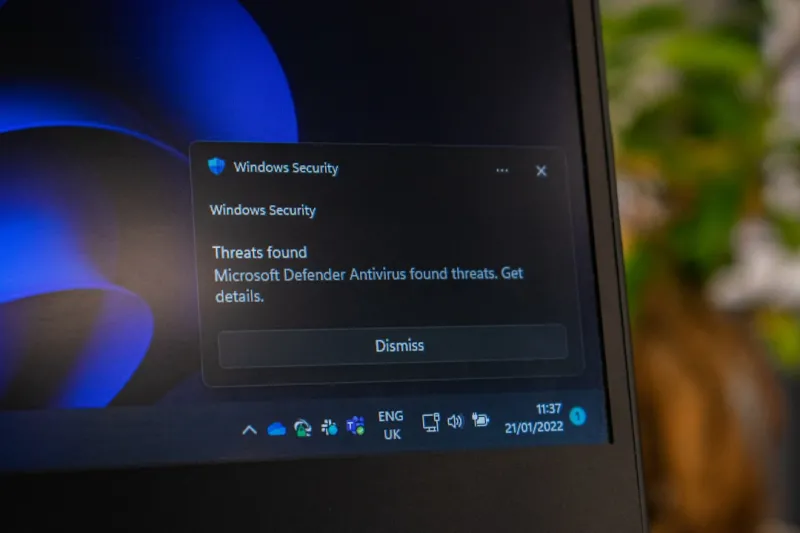
Just as Windows embraces AI to boost productivity, cybercriminals are weaponizing the same technology to craft more evasive malware. AI‑generated payloads can adapt their behavior based on the host’s environment, evading traditional signature‑based detection tools. Microsoft’s Defender has responded by deploying its own generative models that simulate threat behavior in sandboxed environments, learning to flag anomalies before they reach the endpoint. The cat‑and‑mouse game has escalated, making it essential for users to stay informed about the latest defensive strategies. A recent deep‑dive into this arms race is covered in AI‑Powered Malware in 2026: How to Stay Ahead of the Next Generation Threats, which outlines practical steps like enabling “Zero‑Trust Network Access” and regularly updating the AI threat model. While the threat landscape is undeniably more complex, Windows’ proactive stance—combining AI detection with cloud‑based threat intelligence—offers a robust shield that most home users can rely on with confidence.
Smart Networking: Windows Becomes a Connectivity Hub
The networking stack in Windows has undergone a radical overhaul to accommodate the surge in AI‑driven workloads and the proliferation of edge devices. Built‑in support for Wi‑Fi 7, 5G NR, and low‑latency Ethernet ensures that data‑intensive AI tasks can stream to the cloud without bottlenecks. Moreover, Microsoft has introduced “Smart Profiles” that automatically prioritize bandwidth for critical applications like video conferencing or real‑time analytics, while throttling background updates. This intelligent traffic shaping is part of a broader vision described in Why 2026 Is the Year Networking Finally Gets Smart. Below is a quick snapshot of the most impactful networking features native to Windows 2026:
- Dynamic Bandwidth Allocation based on AI‑predicted workload spikes
- Integrated VPN with AI‑enhanced packet inspection for corporate security
- Zero‑configuration mesh networking for IoT devices via the Windows Connect app
- Native support for QUIC and HTTP/3 to reduce latency on web services
Performance Tuning in the AI Era: RAM, Storage, and Beyond
With AI workloads becoming mainstream, the traditional rules of thumb for Windows performance tuning have shifted. Modern PCs now ship with hybrid memory configurations that blend DDR5 with high‑bandwidth LPDDR5 for AI inference tasks, and the OS intelligently migrates active data between them. However, many users still encounter “RAM acting up” symptoms—random freezes, delayed launches, or sudden spikes in memory usage. The culprit is often a misaligned cache policy or an outdated driver that can’t communicate properly with the new AI accelerators. For a step‑by‑step guide on diagnosing and fixing these issues, see Why Your RAM Is Acting Up in 2026 and How to Fix It Fast. In addition, Windows now offers a built‑in “Storage Optimizer” that automatically balances SSD space, defragments magnetic drives only when necessary, and pre‑fetches AI model files to the fastest available media, ensuring that even data‑heavy applications run without a hitch.
Developer Experience: Windows as an AI‑Ready Playground
For developers, Windows 2026 is more than just a client OS; it’s a full‑stack AI development environment. The Windows Subsystem for Linux (WSL) now includes native GPU passthrough, allowing Python, PyTorch, and TensorFlow workloads to run at near‑bare‑metal speeds. Integrated AI assistants within Visual Studio suggest code completions, refactorings, and even security hardening measures as you type, leveraging the same models that power Co‑Pilot on the desktop. Additionally, Microsoft’s new “AI‑Ready SDK” abstracts hardware differences, so a single codebase can target CPUs, GPUs, and dedicated AI accelerators without manual optimization. This unified approach dramatically reduces time‑to‑market for AI‑centric applications, making Windows a compelling platform for startups and enterprise teams alike.
Hardware Synergy: AI‑Ready PCs and the Future of Windows Builds
The hardware ecosystem has caught up with Windows’ software ambitions, delivering AI‑ready components that complement the OS’s intelligent features. Motherboards now include dedicated Tensor cores, and power‑efficient AI accelerators sit alongside traditional CPUs, enabling on‑device inference for privacy‑sensitive tasks like facial recognition or voice commands. These components are fully recognized by Windows, which automatically loads optimized drivers and configures system policies to balance performance and power consumption. For a deeper exploration of why AI‑ready hardware is becoming a must‑have upgrade, read Why 2026 Is the Year AI‑Ready Hardware Takes Over PC Builds. The symbiosis between hardware and Windows not only speeds up AI workloads but also opens the door for innovative use cases—think real‑time language translation on a laptop or AI‑enhanced gaming experiences that adapt to player skill levels on the fly.
Practical Checklist: Getting the Most Out of Windows in 2026
To ensure you’re harnessing the full power of Windows this year, run through this quick checklist before your next reboot. All steps can be completed in under ten minutes.
- Enable “Co‑Pilot” in Settings → Personalization → AI Assistant.
- Verify that “Secure Boot” and “Hardware‑Based Attestation” are turned on under Security → Device Security.
- Update all drivers through Windows Update or the manufacturer’s AI‑Ready driver portal.
- Run the built‑in “Storage Optimizer” to balance SSD and magnetic drive usage.
- Activate “Zero‑Trust Network Access” in the Network & Internet settings.
- Check RAM health via the new “Memory Diagnostic AI” tool in System → Performance.
- For developers, ensure WSL 2 has GPU passthrough enabled in the Linux distro’s settings.
Following these steps will position your machine to benefit from the AI‑driven enhancements, hardened security, and smarter networking that define Windows in 2026. As the platform continues to evolve, staying proactive will keep you ahead of the curve—whether you’re a power user, a developer, or just someone who wants a smoother, safer computing experience.