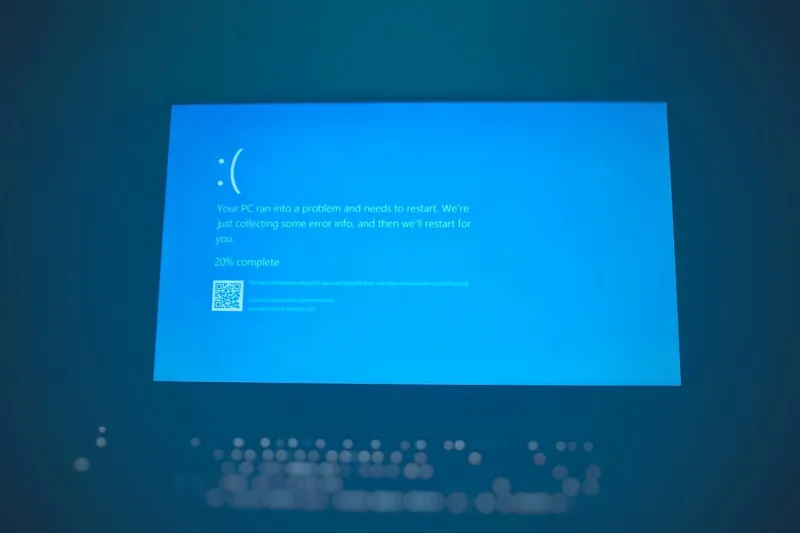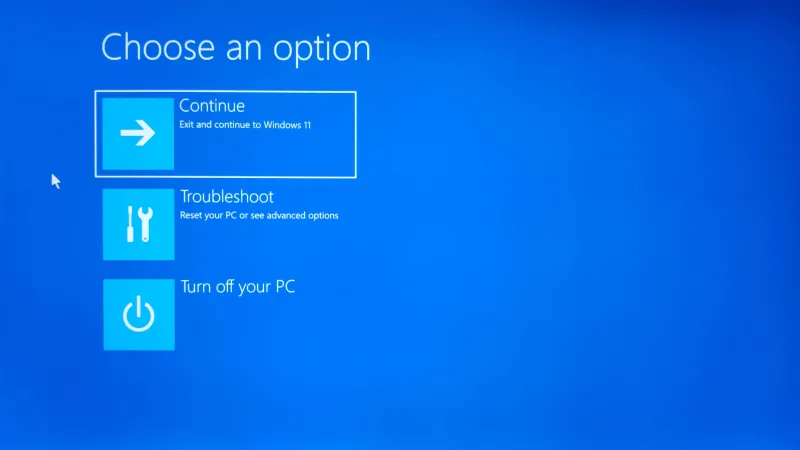
When my laptop decided to flash a neon‑blue death screen right after I opened my AI‑powered design suite, I felt a familiar blend of panic and curiosity that has haunted every tech‑savvy professional I’ve ever known. In 2026, the blue screen of death (BSOD) isn’t just a relic of Windows XP; it’s a sophisticated symptom of the complex interplay between AI‑driven drivers, hyper‑fast NVMe storage, and the ever‑evolving security stack. I’ve spent the past year dissecting crash dumps, chatting with firmware engineers, and testing the newest Windows 2026 telemetry tools—all to turn that dreaded flash into a teachable moment. This post is my roadmap: from the initial shock to the systematic troubleshooting steps that have saved my workflow, and possibly yours, from unnecessary downtime.
Why Blue Screens Are Surging in 2026
In the era of AI‑infused hardware, manufacturers are pushing performance boundaries at breakneck speed. Graphics cards now include on‑board neural accelerators, and motherboards boast embedded AI co‑processors that dynamically allocate resources. While these advances deliver breathtaking real‑time rendering and predictive analytics, they also introduce new failure vectors. The OS kernel now juggles multiple AI instruction sets, and a single misaligned firmware call can trigger a catastrophic stop error. Add to that the rise of zero‑trust hardware architectures—where each component must verify its authenticity before execution—and you have a perfect storm for blue screen events. Understanding this context is essential; the BSOD is no longer just “a driver went wrong,” but often an AI‑mediated security handshake that failed, prompting Windows to protect the system by halting instantly.
Common Culprits Behind Modern BSODs
Despite the high‑tech veneer, the root causes of blue screens in 2026 still echo classic issues, albeit with a modern twist. Faulty or outdated device drivers remain the top offender, especially when AI‑accelerated drivers receive rapid OTA updates that outpace system testing. Memory corruption, whether from defective DDR5 modules or from aggressive memory overclocking driven by AI‑based performance tuning, also leads to kernel panics. Firmware mismatches—think BIOS/UEFI versions that haven’t been certified for the latest AI co‑processor—can cause low‑level conflicts that only surface under heavy load. Lastly, emerging threats such as AI‑infused malware can deliberately corrupt kernel memory to trigger a crash and cover its tracks. For a deeper dive into memory-specific symptoms, see my guide on Diagnosing and Fixing Memory Problems in Your 2026 PC.
Leveraging Windows 2026’s AI Diagnostics
Microsoft’s latest OS iteration, Windows 2026 Unleashed, comes equipped with an AI‑enhanced crash analyzer that does more than just dump hex codes. When a BSOD occurs, the system automatically uploads a concise, anonymized telemetry packet to the cloud, where a trained model correlates the error with known driver versions, firmware revisions, and even recent security patches. Within minutes, you receive a contextual alert that pinpoints the offending module and suggests a corrective action—whether that’s rolling back a driver, updating firmware, or disabling a newly introduced AI feature. To make the most of this, ensure that “Enhanced Diagnostic Reporting” is enabled in Settings > System > Troubleshooting, and keep your internet connection stable so the AI can fetch real‑time insights. This proactive approach turns the blue screen from a dead end into a data‑rich clue.
Step‑by‑Step Quick Fixes You Can Run Immediately
When the screen goes blue, the first instinct is to reboot, but a systematic approach yields faster results. Start by entering Safe Mode via the Power‑User menu; this boots Windows with a minimal driver set, allowing you to isolate the problematic component. Once in Safe Mode, open the Device Manager and look for any devices flagged with a yellow exclamation mark—these are often the culprits. Roll back any recent driver updates, especially those tied to AI accelerators or high‑performance networking cards. Next, run the built‑in Memory Diagnostic (type “mdsched” in the Run dialog) to catch hidden RAM errors that might have escaped the AI’s predictive tuning. If the issue persists, use the “Driver Verifier” tool to stress‑test each driver individually; the tool will force a crash if it detects instability, giving you a precise target. Finally, check the Windows Event Viewer for the “BugCheck” code and cross‑reference it with Microsoft’s online knowledge base for a rapid remedy.
Firmware, Secure Boot, and Zero‑Trust Hardening
Beyond drivers, the firmware layer is often the silent trigger behind stubborn BSODs. In 2026, most OEMs ship motherboards with AI‑driven power management firmware that dynamically adjusts voltage rails based on workload predictions. If the firmware version isn’t signed by a trusted authority—or if a recent microcode update conflicts with the OS’s zero‑trust expectations—the kernel will abort to protect the system’s integrity. To address this, visit your motherboard manufacturer’s support portal and verify that you’re running the latest signed BIOS/UEFI. Enable “Secure Boot” in the firmware settings; this ensures that only verified bootloaders and drivers can execute. For a broader security perspective, explore my article on Zero‑Trust, AI‑Driven, and Hardware‑Hardening, which outlines how these measures not only prevent malware but also reduce accidental blue screens caused by unsigned components.
Preventative Maintenance: AI‑Powered Monitoring and Smart Updates
Prevention beats reaction every time, especially when AI is constantly tweaking system parameters. Install a reputable AI‑based health monitoring suite that tracks driver versions, firmware integrity, and hardware temperature in real time. These tools can automatically pause a driver update if it detects an incompatibility with your current AI co‑processor firmware, then alert you to schedule a coordinated update later. Additionally, adopt a “smart update” policy: enable Windows Update’s optional driver rollouts only after the community has validated them for your hardware generation. Pair this with regular snapshots of your system state using Windows System Restore or a third‑party imaging solution; a quick rollback can save you hours of troubleshooting after a rogue update. For networking‑focused readers, see how Smart, Secure, and AI‑Driven networking is influencing firmware update delivery across corporate environments.
Data Security and Backup Strategies Amidst BSOD Chaos
Even the most diligent maintenance can’t guarantee zero crashes, so safeguarding your data is paramount. In 2026, encryption is baked into the OS kernel, making it effortless to enable BitLocker with hardware‑based TPM 2.0 keys. Ensure that your drives are encrypted, because a sudden power loss during a BSOD could otherwise expose raw data fragments. Complement encryption with a 3‑2‑1 backup strategy: keep at least three copies of critical files, store two locally (one on an SSD, one on a high‑speed external NVMe), and maintain an off‑site cloud backup. Modern cloud services now support AI‑driven incremental backups that only transmit changed blocks, minimizing bandwidth while keeping your data current. For a deeper look at why strong crypto is non‑negotiable this year, read Encryption in 2026. When a blue screen finally does strike, you’ll have peace of mind knowing your files are protected and easily recoverable.
Looking Ahead: The Future of Blue Screens in an AI‑Dominated Landscape
As AI continues to permeate every layer of the computing stack, the nature of blue screens will evolve. We can expect more predictive crash avoidance, where the OS pre‑emptively throttles a misbehaving AI accelerator before a kernel panic occurs. However, this also means that the underlying diagnostics will become more abstract, requiring technicians to interpret AI‑generated insights rather than raw memory addresses. My hope is that the community embraces these tools, shares crash logs openly, and collaborates on universal mitigation strategies. In the meantime, arm yourself with the troubleshooting steps outlined above, stay current with firmware and driver releases, and never underestimate the value of a solid backup plan. With the right mindset, the blue screen becomes a fleeting glitch rather than a career‑stopping catastrophe.