
Why Windows Remains the Crown Jewel of 2024 Computing
When I fire up a fresh install of Windows this year, the familiar splash screen feels less like a relic and more like a launchpad for tomorrow’s workflows. As someone who has spent a decade tearing apart motherboards, encrypting data, and coaching developers through the software boom, I’ve learned that the operating system is the connective tissue that either amplifies or throttles every other component in your rig. Windows 2024 isn’t just an incremental upgrade; it’s a strategic overhaul that leans into AI‑driven assistance, tighter security primitives, and a renewed focus on cross‑device continuity. From the revamped Start menu to the integrated Windows Copilot, Microsoft is betting on a more conversational, context‑aware environment that can predict your next move before you even think about it. The ripple effects are obvious—productivity apps launch faster, background services consume less power, and the OS now talks fluently to both ARM and x86 hardware. In this post, I’ll walk you through the most compelling Windows power moves, share my personal hacks, and show how you can future‑proof your setup without breaking the bank.
AI‑Infused Everyday Tasks: The Rise of Windows Copilot
One of the most talked‑about additions this year is Windows Copilot, an AI companion that lives right in the taskbar and learns from your habits. Imagine typing a vague command like “prepare a presentation on Q3 sales” and having Copilot pull data from Excel, suggest slide layouts, and even draft speaker notes—all while you sip your coffee. The magic lies in Microsoft’s partnership with large language models that run locally, meaning you get the speed of a cloud service without sacrificing privacy. I’ve been experimenting with Copilot in my own workflow: it automatically groups related files in File Explorer, suggests PowerShell snippets for routine admin tasks, and even helps me debug scripts by pointing out syntax errors in real time. For power users, this is a game‑changer because it reduces context‑switching, a notorious productivity killer. If you’re skeptical, start small—enable the “Quick Commands” feature and let the assistant handle repetitive clipboard chores. In a few weeks, you’ll wonder how you ever lived without an AI sidekick perched on your desktop.
Security Wins That Keep Your Data Locked Down
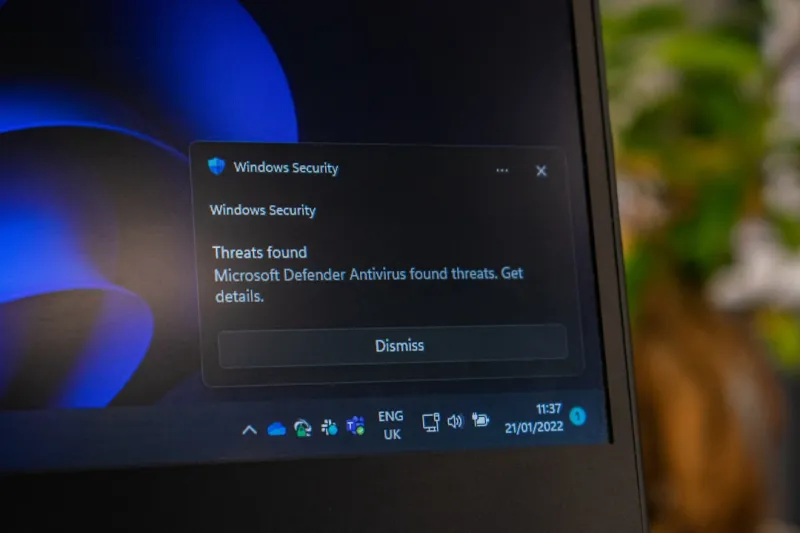
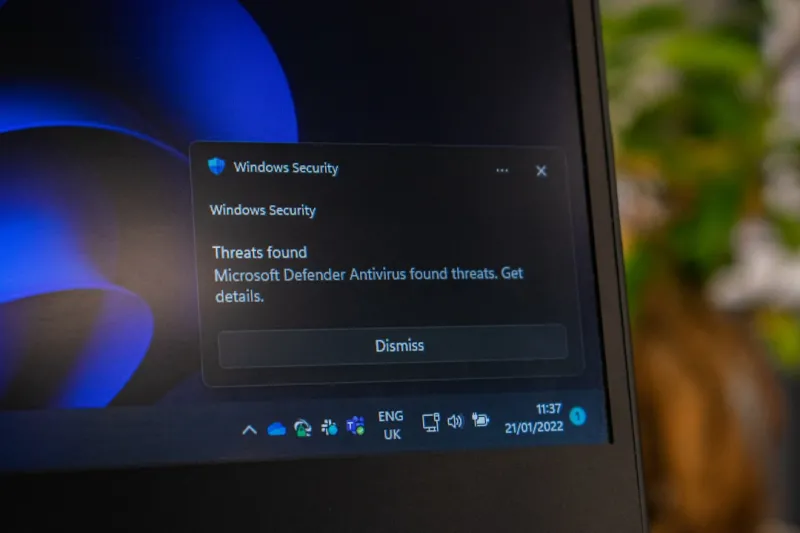
Security has always been a cat‑and‑mouse game, but Windows 2024 throws a few new weapons into the ring. The built‑in hardware‑rooted isolation, known as Hyper‑V Secure Boot, now extends to all third‑party drivers, dramatically cutting the attack surface for ransomware. Coupled with an enhanced Windows Defender SmartScreen that leverages real‑time threat intelligence, you’re looking at a defense‑in‑depth strategy that doesn’t require a separate antivirus suite. I’ve written extensively about securing a modern PC, and my Encrypt Like a Pro in 2024: Shawn DesRochers’ Playbook outlines how to pair BitLocker with hardware TPM 2.0 for a no‑hassle, full‑disk encryption experience. Additionally, Microsoft has introduced “Zero‑Trust Network Access” natively, allowing you to enforce strict identity verification before any device can join your corporate network. For home users, the new “Account Guard” monitors login patterns and flags anomalies, sending you instant alerts via the Windows Security app. By adopting these built‑in tools, you can stay ahead of attackers without juggling a dozen third‑party utilities.
Productivity Boosts: Office, Edge, and Beyond
The Windows ecosystem isn’t limited to the OS; it’s a launchpad for Microsoft’s broader productivity suite. Office 2024, for instance, now integrates directly with Windows Copilot, letting you ask the OS to draft a budget spreadsheet while you focus on the narrative. Edge has become a developer’s sandbox, featuring built‑in support for WebAssembly and a streamlined “Collections” pane that syncs across devices. I’ve noticed that the new “Focus Sessions” in the Windows Clock app sync with Teams status, automatically setting you to “Do Not Disturb” when a deep‑work block begins. This tight integration eliminates the friction of switching between apps, a pain point I’ve tackled in my Microsoft Office 2024: How to Stay Productive guide. If you’re looking to squeeze every ounce of efficiency out of your day, enable “Live Captions” in Teams, use “Power Automate Desktop” to automate repetitive tasks, and explore the new “Snipping Tool Pro” for quick visual note‑taking. The result is a cohesive, low‑friction workflow that feels almost organic.
Power‑User Tweaks: Customizing Windows for Maximum Performance
For those who love to tinker under the hood, Windows 2024 offers a treasure trove of hidden settings that can shave seconds off boot times and boost frame rates. One of my favorite tweaks is disabling the “Telemetry” background service on a per‑profile basis, which not only eases privacy concerns but also frees up CPU cycles for gaming or video rendering. Another under‑the‑radar gem is the “Storage Sense” scheduler—by customizing the purge thresholds, you can keep SSD write cycles in check while ensuring your drive never fills up unexpectedly. The new “GPU Scheduler” lets you choose between a hardware‑accelerated mode and a software fallback, giving you granular control over power consumption versus performance. If you’re building a future‑proof rig, I recommend pairing these tweaks with a solid‑state drive that supports NVMe 2.0 and a motherboard that offers full PCIe 5.0 lanes. To see how these components mesh together, check out my 2024 PC Upgrade Playbook for a step‑by‑step guide on selecting the right platform.
Seamless Migration: From Legacy Systems to Modern Windows
Many organizations still cling to legacy Windows 10 installations, fearing that a jump to the latest OS will break critical workflows. The good news is that Microsoft has streamlined the migration path with a series of compatibility layers that emulate older APIs while still benefitting from the security and performance upgrades of Windows 2024. Tools like the “Windows Compatibility Toolkit” automatically scan your installed applications, flagging those that need updates or alternative solutions. In my experience, the migration process can be as painless as running the “Upgrade Assistant” from the Settings app, which creates a snapshot of your current environment and rolls back if anything goes awry. For developers, the new “WSL 2” integration offers a Linux kernel that runs side‑by‑side with Windows, eliminating the need for dual‑boot setups. If you’re handling a fleet of devices, leverage Microsoft Endpoint Manager’s “Fast‑Track Deployment” to push updates in phases, ensuring minimal downtime. By treating migration as an iterative process rather than a one‑off event, you safeguard productivity while still reaping the benefits of the latest OS innovations.
Future‑Proofing Your Windows Rig: Hardware and Software Harmony
Building a rig that stands the test of time isn’t just about buying the most powerful CPU; it’s about creating a balanced ecosystem where each component complements the others. In the hardware world, the shift toward DDR5 memory and PCIe 5.0 storage is undeniable, but the real differentiator lies in the motherboard’s ability to support future expansions—think additional M.2 slots, USB 4.0, and robust VRM cooling. Pair that with a Windows 2024 installation that’s configured for “Dynamic Refresh Rate” and “Power Throttling”, and you’ve got a platform that can adapt to emerging workloads like AI‑accelerated rendering or real‑time ray tracing. My “2024 Computer Hardware Playbook” dives deep into these topics, outlining the sweet spot between cost and longevity. Moreover, keep an eye on Windows Update for “Feature on Demand” packages; they let you install only the components you need, keeping the OS lean. By aligning your hardware choices with Windows’ native capabilities, you’ll avoid costly upgrades down the line and stay ready for whatever the tech horizon throws at you.
Network and Encryption: Keeping Your Data Safe in a Hyper‑Connected World
In an era where remote work and IoT devices dominate, a secure network is as critical as a strong password. Windows 2024 introduces a built‑in “Zero‑Trust Network Access” (ZTNA) framework that authenticates every device and user before granting resource access, effectively turning every connection into a verified handshake. Combine this with BitLocker’s enhanced encryption algorithms—now supporting AES‑256‑GCM—and you have a fortress that’s difficult for even nation‑state actors to breach. I often advise readers to enable “Network Isolation” for public Wi‑Fi, which routes all traffic through a sandboxed VPN tunnel, shielding sensitive data from prying eyes. For enterprises, the new “Secure DNS over HTTPS” integration ensures that DNS queries are encrypted, preventing DNS hijacking attempts. If you’re still unsure about how to lock down your system, revisit my Encrypt Like a Pro in 2024 guide for a step‑by‑step walkthrough of setting up full‑disk encryption, secure key storage, and multi‑factor authentication—all without needing a separate security suite.
Final Thoughts: Embrace the Windows Evolution with Confidence
Windows 2024 isn’t just another OS release; it’s a platform that invites you to be both a creator and a defender of your digital environment. By tapping into AI‑driven features, tightening security postures, and aligning your hardware choices with Microsoft’s roadmap, you can craft a computing experience that feels both futuristic and grounded. Remember, the best setup is the one that works for you—whether that means leveraging Copilot for everyday tasks, fine‑tuning power settings for gaming marathons, or rolling out BitLocker across a corporate network. My journey through motherboard mastery, PC upgrades, and encryption strategies has taught me that the key to staying ahead is continuous learning and strategic tweaking. So, dive into the new Windows features, experiment with the tweaks we discussed, and keep an eye on the evolving ecosystem. Your rig will thank you, and your productivity will soar—welcome to the next chapter of Windows mastery.