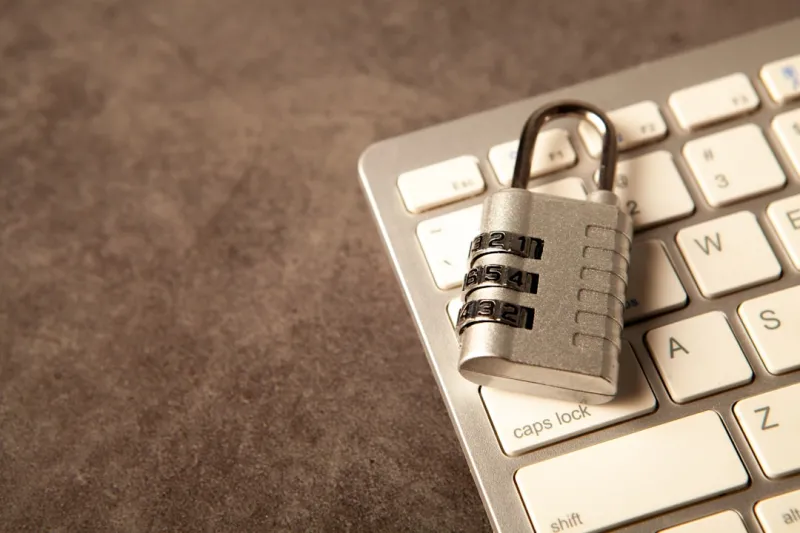

As we continue to navigate the complexities of the digital age, it's becoming increasingly clear that computer encryption is no longer just a nicety, but a necessity. With the rise of cyber threats and data breaches, protecting our sensitive information has become a top priority. In this article, we'll explore the current state of computer encryption, its evolution, and what the future holds for this critical technology.
The Importance of Computer Encryption
Computer encryption is the process of converting plaintext data into unreadable ciphertext to prevent unauthorized access. This is achieved through the use of algorithms and encryption keys, which scramble the data making it unintelligible to anyone without the decryption key. The importance of computer encryption cannot be overstated, as it provides a secure way to protect sensitive information, such as financial data, personal identifiable information, and confidential business data. In today's digital landscape, computer encryption is a critical component of any organization's security strategy.
Evolution of Computer Encryption
The evolution of computer encryption has been a long and winding road. From the early days of simple substitution ciphers to the sophisticated algorithms of today, encryption has come a long way. The first encryption algorithms were developed in the 1970s, with the introduction of the Data Encryption Standard (DES). However, as computing power increased, so did the need for more secure encryption methods. The introduction of asymmetric encryption, also known as public-key cryptography, revolutionized the field of computer encryption. This technology enabled secure communication over the internet, paving the way for e-commerce, online banking, and secure communication.
The Rise of Advanced Encryption Standards
In recent years, we've seen the rise of advanced encryption standards, such as AES (Advanced Encryption Standard) and RSA (Rivest-Shamir-Adleman). These algorithms have become the de facto standards for computer encryption, providing a high level of security and protection for sensitive information. The development of these standards has been driven by the need for faster, more secure, and more efficient encryption methods. As computer hardware continues to evolve, so too will the encryption methods used to protect data.
Trends and Threats in Computer Encryption
As with any technology, computer encryption is not immune to threats and challenges. One of the biggest threats facing computer encryption is the rise of quantum computing. Quantum computers have the potential to break certain types of encryption, rendering them insecure. This has led to a renewed focus on developing quantum-resistant encryption algorithms. Another trend in computer encryption is the increasing use of homomorphic encryption, which enables computations to be performed on encrypted data without having to decrypt it first. This technology has the potential to revolutionize the way we approach data security.
The Impact of Computer Hardware on Encryption
The evolution of computer hardware has had a significant impact on computer encryption. The development of faster processors and more efficient memory has enabled more complex encryption algorithms to be used. However, it has also introduced new challenges, such as the need for more secure key management and the risk of side-channel attacks. As hard drive technology continues to evolve, we can expect to see new encryption methods emerge that take advantage of these advancements.
The Future of Computer Encryption
So, what does the future hold for computer encryption? As we look to the future, it's clear that computer encryption will continue to play a critical role in protecting sensitive information. We can expect to see the development of new encryption algorithms that are resistant to quantum computing attacks. We can also expect to see the increasing use of artificial intelligence and machine learning in encryption, enabling more efficient and effective encryption methods. Ultimately, the future of computer encryption will be shaped by the evolving threat landscape and the need for more secure and efficient encryption methods.
Best Practices for Implementing Computer Encryption
For organizations looking to implement computer encryption, there are several best practices to keep in mind. First, it's essential to choose the right encryption algorithm for your needs. This will depend on the type of data being protected and the level of security required. Second, it's crucial to implement a secure key management system, to ensure that encryption keys are properly generated, stored, and managed. Finally, it's essential to regularly review and update your encryption strategy, to ensure that it remains effective against evolving threats.
Conclusion
In conclusion, computer encryption is a critical technology that plays a vital role in protecting sensitive information. As we look to the future, it's clear that computer encryption will continue to evolve, driven by the need for more secure and efficient encryption methods. By understanding the current state of computer encryption, its evolution, and the trends and threats that shape it, organizations can make informed decisions about how to protect their sensitive information. Whether you're an IT professional or simply a concerned individual, computer encryption is an essential tool in the fight against cyber threats.
Some key takeaways from this article include:
- Computer encryption is a critical component of any organization's security strategy
- The evolution of computer encryption has been driven by the need for more secure and efficient encryption methods
- The future of computer encryption will be shaped by the evolving threat landscape and the need for more secure and efficient encryption methods