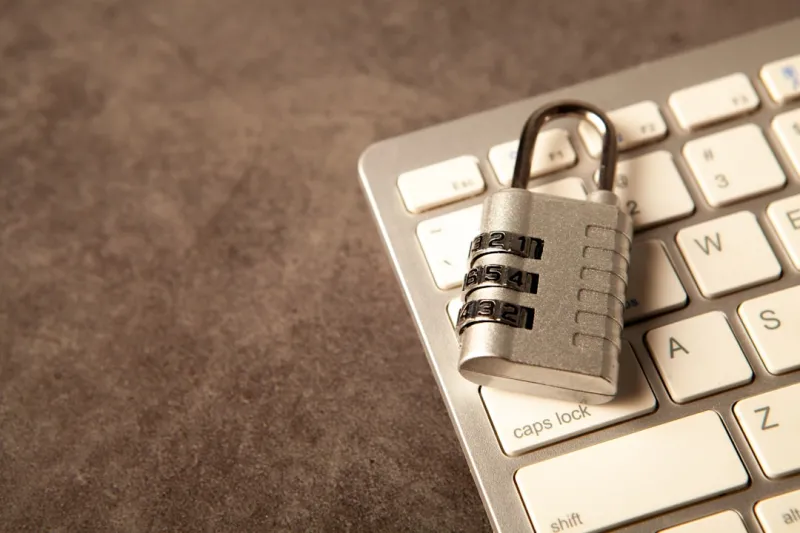


The Importance of Computer Encryption in Today's Digital Landscape
As we continue to navigate the complexities of the digital world, it's becoming increasingly clear that computer encryption is no longer just a nicety, but a necessity. With the rise of cyber threats and data breaches, protecting sensitive information has become a top priority for individuals and organizations alike. In this article, we'll explore the importance of computer encryption, its benefits, and why it's crucial to implement robust encryption measures to safeguard your digital assets.
What is Computer Encryption?
Computer encryption is the process of converting plaintext data into unreadable ciphertext to prevent unauthorized access. This is achieved through the use of algorithms and encryption keys that scramble the data, making it unintelligible to anyone without the decryption key. Encryption can be applied to various forms of data, including files, folders, emails, and even entire hard drives. By encrypting your data, you're essentially adding an extra layer of protection against cyber threats, such as hacking, identity theft, and data breaches.
The Benefits of Computer Encryption
The benefits of computer encryption are numerous. For one, it provides a high level of security for sensitive data, protecting it from unauthorized access. Encryption also helps to ensure compliance with regulatory requirements, such as GDPR and HIPAA, which mandate the protection of sensitive information. Furthermore, encryption can help to prevent data breaches, which can have severe consequences, including financial losses, reputational damage, and even legal repercussions. In fact, a recent study highlighted the importance of encryption in preventing data breaches, emphasizing that encrypted data is much harder to compromise than unencrypted data.
The Evolution of Computer Security: How Encryption Fits In
The computer security landscape is constantly evolving, with new threats emerging every day. As such, it's essential to stay ahead of the curve by implementing robust security measures, including encryption. In our previous article, The Future of Computer Security: Trends, Threats, and Solutions, we discussed the latest trends and threats in computer security, highlighting the importance of encryption in protecting against cyber threats. By encrypting your data, you're taking a proactive approach to security, which is essential in today's digital landscape.
The Role of Encryption in Data Storage
Data storage is a critical aspect of computer security, and encryption plays a vital role in protecting stored data. With the rise of cloud storage, it's become increasingly important to ensure that data is encrypted, both in transit and at rest. This is particularly important for organizations that handle sensitive information, such as financial data or personal identifiable information. By encrypting data at rest, you're protecting it from unauthorized access, even if the storage device is compromised. For more information on the evolution of data storage, check out our article, The State of Hard Drives: Understanding the Evolution of Data Storage.
The Looming Threat of Ransomware: Why Encryption Matters
Ransomware has become a significant concern in recent years, with cyber attackers using it to extort money from individuals and organizations. One of the most effective ways to prevent ransomware attacks is by encrypting your data. By doing so, you're making it much harder for attackers to access your data, even if they're able to breach your system. In our article, The Looming Threat of Ransomware: A Growing Concern in Cybersecurity, we discussed the growing threat of ransomware and why encryption is essential in preventing these types of attacks.
Best Practices for Implementing Computer Encryption
Implementing computer encryption requires careful planning and execution. Here are some best practices to keep in mind:
- Use robust encryption algorithms, such as AES-256
- Use secure encryption keys and store them safely
- Encrypt data both in transit and at rest
- Regularly update encryption software and protocols
- Use multi-factor authentication to add an extra layer of security
By following these best practices, you can ensure that your data is properly encrypted and protected against cyber threats.
Conclusion
In conclusion, computer encryption is a critical component of modern computer security. By encrypting your data, you're adding an extra layer of protection against cyber threats, such as hacking, identity theft, and data breaches. With the rise of ransomware and other cyber threats, it's essential to implement robust encryption measures to safeguard your digital assets. By following best practices and staying informed about the latest trends and threats in computer security, you can ensure that your data remains safe and secure.