As we continue to hurtle through the digital age, one thing is clear: artificial intelligence (AI) is revolutionizing the way we interact with computers. From virtual assistants to machine learning algorithms, AI is transforming the tech landscape at an unprecedented rate. As someone who's been following the evolution of computer hardware and software for years, I'm excited to explore the intersection of AI and computing. In this article, we'll dive into the trends, threats, and solutions that are shaping the future of AI computing.
The Rise of AI Computing
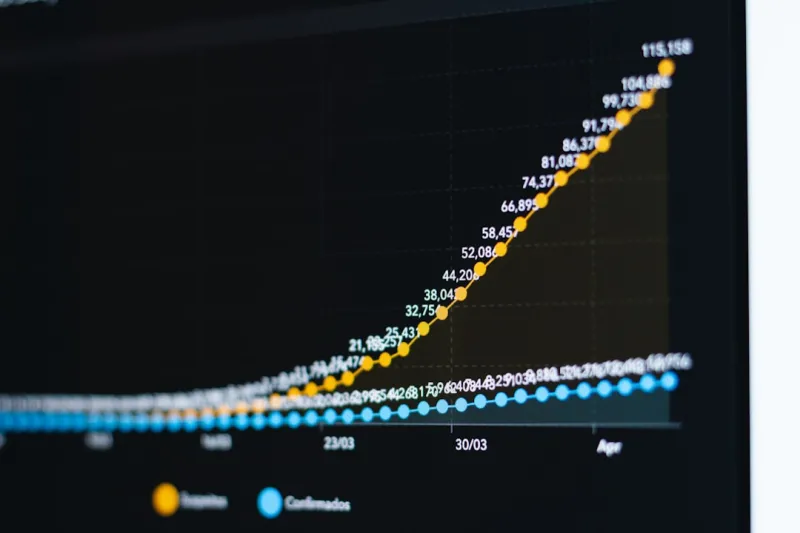
The AI computing market is expected to grow exponentially in the coming years, with estimates suggesting that it will reach $15 billion by 2025. This growth is driven by the increasing demand for AI-powered solutions in industries such as healthcare, finance, and transportation. But what exactly is AI computing, and how is it different from traditional computing? In simple terms, AI computing refers to the use of computer systems to perform tasks that typically require human intelligence, such as learning, problem-solving, and decision-making.
One of the key drivers of AI computing is the development of specialized hardware, such as graphics processing units (GPUs) and tensor processing units (TPUs). These chips are designed specifically to handle the complex mathematical calculations required for AI and machine learning algorithms. For example, NVIDIA's GPUs are widely used in AI applications, including deep learning and natural language processing. The increasing demand for AI computing has also led to the development of new technologies, such as field-programmable gate arrays (FPGAs) and application-specific integrated circuits (ASICs).
Trends in AI Computing
So, what are some of the trends shaping the future of AI computing? One of the most significant trends is the move towards edge AI, which involves processing AI workloads on devices at the edge of the network, rather than in centralized data centers. This approach has several benefits, including reduced latency, improved security, and increased efficiency. For example, edge AI is being used in applications such as self-driving cars, smart homes, and industrial automation.
Another trend is the increasing use of cloud-based AI services, which provide users with access to AI-powered solutions over the internet. Cloud-based AI services are being used in a wide range of applications, from customer service chatbots to predictive maintenance in industrial settings. The use of cloud-based AI services is also driving the development of new technologies, such as serverless computing and containerization.
Challenges and Threats
While AI computing holds tremendous promise, it also poses several challenges and threats. One of the biggest concerns is data security, as AI systems rely on vast amounts of data to function effectively. This data must be protected from unauthorized access and malicious attacks, which can be a significant challenge. For example, the use of AI in healthcare requires the protection of sensitive patient data, which must be encrypted and stored securely.
Another challenge is the skills gap, as there is a shortage of professionals with the skills and expertise needed to develop and implement AI solutions. This gap must be addressed through education and training programs that provide workers with the skills they need to succeed in the AI era. Additionally, there are concerns about the bias and fairness of AI systems, as they can perpetuate existing social biases if they are not designed and trained carefully.
Solutions and Opportunities
So, what are some of the solutions and opportunities emerging in the field of AI computing? One of the most significant opportunities is the development of AI-powered solutions for industries such as healthcare, finance, and education. For example, AI-powered chatbots are being used in healthcare to provide patients with personalized support and guidance. AI-powered solutions are also being used in finance to detect and prevent financial crimes.
Another opportunity is the development of new business models that are enabled by AI computing. For example, AI-powered subscription services are being used to provide users with access to AI-powered solutions and tools. The use of AI computing is also driving the development of new technologies, such as blockchain and the Internet of Things (IoT).
Conclusion
In conclusion, AI computing is a rapidly evolving field that holds tremendous promise and potential. As we continue to develop and implement AI solutions, we must also address the challenges and threats that they pose. By working together, we can unlock the full potential of AI computing and create a brighter future for all. Whether you're a developer, a business leader, or simply someone who's interested in technology, I encourage you to stay informed and engaged with the latest developments in AI computing.