
The Evolution of Microsoft Windows: A Comprehensive Overview
As we navigate the ever-changing landscape of computer technology, it's essential to take a step back and appreciate the journey that has brought us to where we are today. For decades, Microsoft Windows has been a dominant player in the operating system market, and its evolution is a fascinating story. In this article, we'll explore the history of Microsoft Windows, from its humble beginnings to its current state, and what the future may hold. A key aspect of Windows' evolution is its ability to adapt to changing user needs, such as the integration of computer encryption to enhance security.
The first version of Microsoft Windows, released in 1985, was a graphical user interface (GUI) for MS-DOS. It was a significant departure from the command-line interface that was prevalent at the time and marked the beginning of a new era in personal computing. Over the years, Windows has undergone numerous transformations, with each new version building upon the previous one. From Windows 3.0 to Windows XP, the operating system became increasingly popular, and its user base grew exponentially. For instance, computer encryption has become a critical component of modern operating systems, including Windows.
The Rise of Windows: A Dominant Force in the Market
Windows 7, released in 2009, was a major milestone in the evolution of Microsoft Windows. It introduced a new level of stability and performance, which helped to solidify Windows' position as the leading operating system. The subsequent release of Windows 8 in 2012 marked a significant shift towards a more mobile-centric approach, with the introduction of touch-friendly interfaces and a greater emphasis on app development. This shift was likely influenced by the growing importance of software development and its intersection with computer hardware.
However, Windows 8 was not without its challenges. The removal of the Start button and the introduction of a new, full-screen interface were met with widespread criticism from users. In response, Microsoft released Windows 8.1, which addressed many of the concerns and reintroduced the Start button. This episode highlights the importance of user feedback in shaping the evolution of an operating system. The intersection of software development and computer hardware has been a key factor in Windows' evolution, enabling the creation of more efficient and secure systems.
The Future of Windows: Trends, Threats, and Solutions
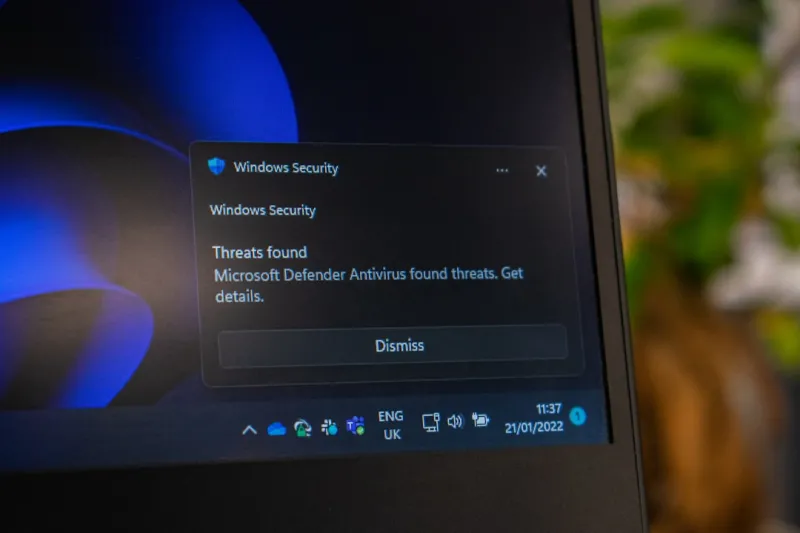
As we look to the future, it's clear that Microsoft Windows will continue to play a significant role in the world of computing. With the rise of cloud computing, artificial intelligence, and the Internet of Things (IoT), Windows will need to adapt to these changing trends. One area that is likely to see significant investment is computer security, as the threat landscape continues to evolve. In fact, malware trends and threats are a major concern for Windows users, and Microsoft will need to continue to innovate in this area to stay ahead of the threats.
Another area that is likely to see significant growth is the use of Windows in emerging markets. As more people around the world gain access to computers and the internet, there will be an increasing demand for operating systems that are affordable, reliable, and easy to use. Microsoft has already made significant strides in this area, with the introduction of Windows 10, which has been designed to be more flexible and adaptable to different hardware configurations. For example, Microsoft Office has been optimized for Windows 10, providing users with a seamless and productive experience.
The Evolution of Windows: A Look into the Future
As we look to the future, it's exciting to think about what's in store for Microsoft Windows. With the rapid pace of technological change, it's likely that we'll see significant advancements in areas such as artificial intelligence, machine learning, and quantum computing. These advancements will likely have a profound impact on the development of Windows, enabling new use cases and applications that we can't yet imagine. For instance, the integration of AI-powered security features could significantly enhance the security of Windows systems.
In conclusion, the evolution of Microsoft Windows has been a remarkable journey, marked by significant milestones, innovations, and challenges. As we look to the future, it's clear that Windows will continue to play a vital role in the world of computing, and its ability to adapt to changing trends and threats will be critical to its success. Whether you're a longtime Windows user or just starting out, there's no denying the impact that this operating system has had on the world of computing. By understanding the evolution of computer hardware, we can better appreciate the importance of Windows in the modern computing landscape.
Ultimately, the future of Microsoft Windows is bright, and its continued evolution will be shaped by a complex interplay of technological, social, and economic factors. As users, developers, and stakeholders, we have a critical role to play in shaping the future of Windows, and it's exciting to think about what's in store. With its commitment to innovation, security, and user experience, Microsoft Windows is poised to remain a dominant force in the market for years to come, driven by its ability to adapt to changing user needs and technological advancements.