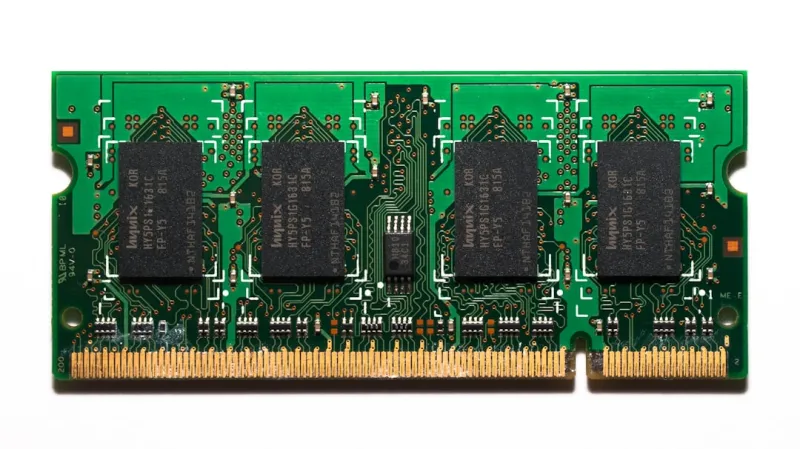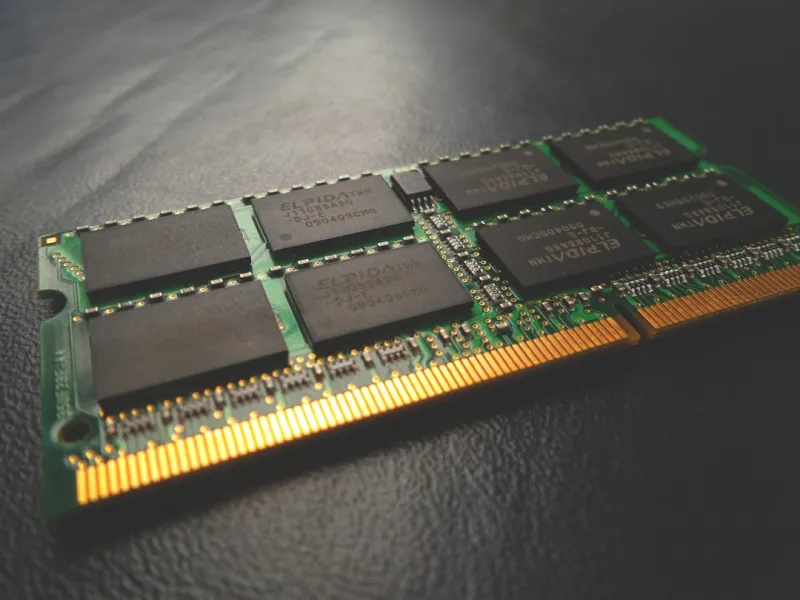
When your PC starts acting like a jittery squirrel in 2026, the culprit is often not the CPU or the GPU, but the memory that quietly fuels every operation. As a longtime tech tinkerer, I’ve seen the same RAM‑related headaches repeat across generations of hardware, but the stakes are higher now that AI‑driven workloads and real‑time edge computing demand ultra‑low latency and massive bandwidth. A single bad module can cause everything from random reboots to corrupted AI model inference results, and the cost of downtime has skyrocketed for both gamers and remote workers alike. In this guide I’ll walk you through the most effective, step‑by‑step troubleshooting methods that cut through the noise, helping you pinpoint whether your stick is truly faulty or just mis‑configured in today’s hyper‑connected ecosystem.
Understanding Modern RAM in 2026
Today’s memory landscape is dominated by DDR5‑5600 and the emerging DDR6‑7200 standards, each promising unprecedented data rates and lower power consumption. But with great speed comes great complexity: tighter timings, higher voltages, and more aggressive power management features that can trip up even seasoned builders. Manufacturers are now embedding on‑die error‑correcting code (ECC) and AI‑assisted thermal throttling to keep performance stable under AI‑intensive loads, yet these same safeguards can mask underlying problems until they erupt under stress. Knowing the exact specifications of your kit—frequency, CAS latency, voltage, and whether it supports Intel’s XMP 3.0 or AMD’s DOCP profiles—gives you the baseline needed to compare against real‑world behavior, making it easier to spot deviations that signal a deeper issue.
Symptoms That Point to RAM Trouble
If you’ve ever seen a blue screen with the dreaded “MEMORY_MANAGEMENT” error, experienced random application crashes during AI model training, or noticed sluggish boot times that seem to creep up after a Windows update, you’re likely staring at a memory problem. Other telltale signs include corrupted files after a large data transfer, intermittent freezes while streaming 8K video, or the dreaded “kernel‑pool exhaustion” messages that pop up in the Event Viewer. In many cases, the symptom appears only under heavy load—like when you push a 2026 GPU to its limits—because that’s when the memory controller’s timing margins are truly tested. Keeping a log of when and how these symptoms manifest can dramatically narrow down whether the issue is a bad module, an incompatibility, or simply a configuration oversight.
Running Baseline Diagnostics
The first line of defense is a clean, repeatable diagnostic suite. Windows 10/11 still ships with the built‑in Memory Diagnostic tool, but for a thorough 2026 assessment you’ll want to run MemTest86 Uefi, which now includes AI‑enhanced error pattern detection. Boot the utility from a USB stick, let it run at least three full passes (about 2–3 hours on a mid‑range system), and watch for any “FAIL” entries. If errors show up, you’ve got a defective stick or a timing conflict. For a quicker sanity check, the Motherboards in 2026: AI‑Powered, Secure, and Future‑Ready article outlines how to enable the built‑in memory self‑test that many modern BIOSes now provide, letting you catch failures without leaving the firmware environment.
Inspecting BIOS/UEFI Settings
After confirming the hardware is fundamentally sound, dive into your BIOS/UEFI. Most 2026 boards auto‑detect RAM speed but default to conservative timings for stability. Turn off “Auto” and manually set the frequency, timings, and voltage to the manufacturer’s rated values. Enable XMP 3.0 (or DOCP for AMD) to let the board apply the optimal profile, then watch the “Memory Frequency” readout to ensure it matches your stick’s rating. If you see the frequency dropping under load, try disabling any AI‑driven “Dynamic Memory Boost” features, as they can sometimes over‑clock beyond what your specific module can handle. Remember to save changes and reboot, then re‑run your stress test to see if the issue persists.
Compatibility Checks with CPU and Chipset
Even the most premium RAM can misbehave if the CPU’s integrated memory controller (IMC) isn’t up to the task. Intel’s 13th‑gen “Raptor Lake‑X” chips, for example, officially support up to DDR5‑5600, while AMD’s Zen 4 A‑series can stretch to DDR5‑6000 with a BIOS tweak. Cross‑referencing your CPU’s memory support matrix with the Why 2026 Is the Year Hardware Gets Smarter, Faster, and Safer guide ensures you’re not pushing beyond the spec. If you’re using a mixed‑kit—say, a 32 GB kit of 2 × 16 GB modules from different vendors—verify that they share the same SPD (Serial Presence Detect) profile; mismatched chips can cause subtle timing glitches that only appear under AI workloads.
Updating Firmware and Drivers
In 2026, firmware updates are no longer a once‑a‑year chore; they’re delivered continuously via AI‑driven OTA (over‑the‑air) mechanisms that fine‑tune memory voltage curves and thermal thresholds. Check both your motherboard’s vendor site and the RAM manufacturer’s support page for the latest BIOS and SPD firmware. Installing the newest BIOS often unlocks higher memory frequencies and resolves obscure stability bugs that were invisible in earlier releases. Additionally, ensure your chipset drivers and the Windows Memory Management driver are current—Microsoft’s “Memory Optimizer” service has been revamped this year to better handle large AI model caches, and outdated drivers can cause the system to misinterpret RAM timings, leading to random crashes.
Physical Inspection and Environmental Factors
Sometimes the problem is as simple as a dusty slot or a loose stick. Power down, unplug, and remove each module, gently cleaning the contacts with an anti‑static eraser and a burst of compressed air. Re‑seat the sticks firmly, making sure they click into place; a partially seated module can cause intermittent errors that only appear after the system heats up. Also, verify that your power supply delivers clean, stable voltage—modern DDR5 modules can draw up to 1.5 A per stick under load, and a sagging PSU can manifest as memory errors. If you’re overclocking, consider adding a dedicated RAM cooler or improving case airflow, as thermal throttling can introduce timing drift that mimics hardware faults.
Advanced Troubleshooting: Tuning Timings and Voltage
When basic checks don’t solve the mystery, it’s time to get granular. Use a tool like HWiNFO 64 to monitor real‑time memory voltage and temperature while running a stress suite such as AIDA64 Extreme. If you see voltage dipping below the rated 1.35 V for DDR5‑5600, manually raise it in 0.01 V increments until stability returns. Adjust the primary timings (CAS‑tRCD‑tRP‑tRAS) one at a time, starting with CAS latency; reducing it by one clock cycle can boost performance but may require a slight voltage bump. Below is a quick checklist you can follow:
- Run MemTest86 Uefi for three passes.
- Verify BIOS XMP profile matches module specs.
- Update motherboard BIOS and RAM SPD firmware.
- Manually set voltage 1.35 V ± 0.05 V.
- Fine‑tune primary timings one step at a time.
- Monitor temperatures; keep RAM below 85 °C.
- Test stability with AIDA64 or Prime95 Blend.
If stability is achieved after these tweaks, you’ve likely resolved a timing‑voltage mismatch rather than a defective chip.
Future‑Proofing and When to Replace
Even if you manage to coax your current kit into stable operation, consider the long‑term roadmap. By the end of 2026, DDR6‑7200 modules will become mainstream, offering up to 30 % higher bandwidth with built‑in ECC for AI workloads. If your motherboard supports the newer standard (many do via a simple BIOS flag), upgrading now can spare you future headaches. However, if your troubleshooting journey has uncovered persistent errors despite all adjustments, it’s a strong sign the module has reached the end of its useful life. In that case, replace the faulty stick with a matched set from a reputable brand that advertises AI‑optimized thermal throttling and has a robust warranty. A clean upgrade not only restores stability but also aligns your rig with the AI‑Driven Evolution of Computer Networking in 2026, ensuring you can fully exploit low‑latency, high‑throughput connections for the next wave of AI‑centric applications.