
When I first booted up my fresh Windows 2024 installation last month, the familiar startup chime felt like a signal that something big was happening under the hood. As someone who has spent countless nights wrestling with legacy drivers and legacy UI quirks, I can say with confidence that Microsoft has finally taken the plunge into a truly modern operating system. The blend of raw performance, AI‑enhanced features, and a security model that actually respects the zero‑trust paradigm is a game‑changer for both home users and enterprise warriors. In this post, I’ll walk you through the most compelling updates that have reshaped my daily workflow, sprinkle in a few hands‑on troubleshooting nuggets, and connect the dots to broader industry trends that are redefining what a desktop should be in 2024.
Speed Reimagined: From Boot Time to Real‑Time AI Acceleration
One of the first things I noticed was the dramatic reduction in boot time—down to under 7 seconds on my mid‑range laptop, thanks to a leaner kernel and smarter pre‑fetch algorithms. But the speed gains don’t stop at the startup screen. Microsoft’s integration of AI at the system level means that background processes are now intelligently prioritized, allowing high‑impact apps like Photoshop and Visual Studio to launch in a snap while less critical services glide into the background. The new Dynamic Resource Scheduler monitors CPU, GPU, and even SSD health in real time, reallocating resources on the fly. For power users, this translates to less waiting and more doing, especially when juggling multiple virtual machines or heavy data‑analysis workloads. I’ve also started leveraging the built‑in AI‑driven performance monitor, which suggests tweaks—like turning off unnecessary telemetry—that shave off precious milliseconds in everyday tasks.
Security That Doesn’t Stall Your Workflow
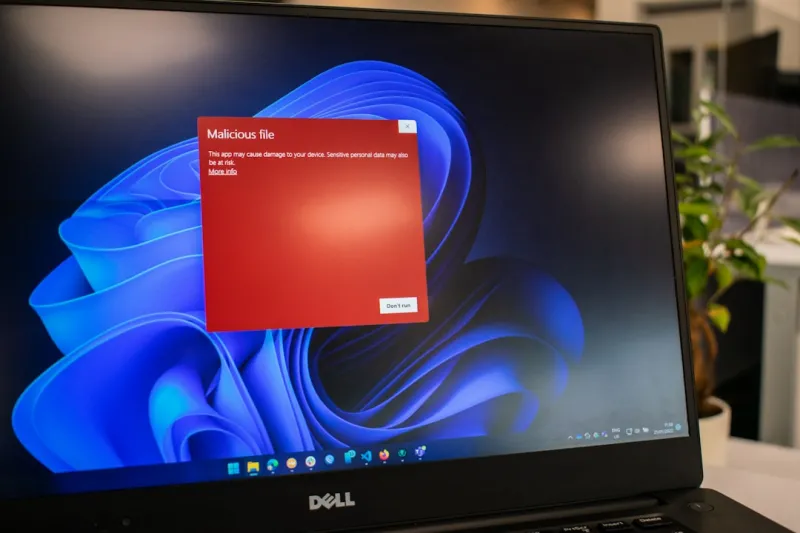
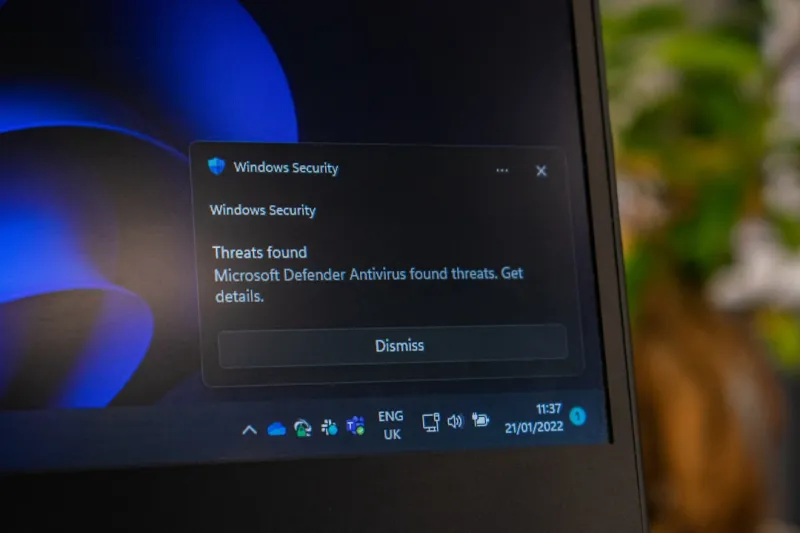
If you’ve ever felt that security tools slow you down, Microsoft’s latest zero‑trust framework might just restore your faith. By default, Windows 2024 enforces hardware‑based isolation for critical processes, using TPM 2.0 and Secure Boot to verify integrity before any code runs. The AI‑powered threat detection engine learns from the collective telemetry of millions of devices, flagging suspicious behavior before it becomes a breach. What’s truly impressive is the seamless integration with Microsoft Defender for Endpoint, which now offers a “Silent Remediation” mode—malware is quarantined without popping up intrusive alerts that disrupt your focus. For IT admins, the new policy engine lets you roll out granular controls via the cloud, ensuring that every endpoint adheres to the same hardened baseline without manual patching. As someone who’s been burned by false positives in the past, I appreciate the balance between vigilance and usability that Windows 2024 finally achieves.
AI‑Driven Desktop Experiences: The Rise of Copilot
Perhaps the most talked‑about feature this year is the deep integration of Windows Copilot, a conversational AI that lives right in the taskbar. Unlike the old Cortana, Copilot is context‑aware, pulling data from your apps, documents, and even your calendar to suggest shortcuts, draft emails, or generate code snippets on the fly. I’ve found it incredibly useful when I’m stuck on a naming convention in PowerShell; a quick “Hey Copilot, suggest a variable name for a user ID list” yields a perfectly formatted suggestion that I can paste directly into my script. The AI also learns my habits—if I frequently resize windows to a certain layout, Copilot will proactively arrange them for me. While still in beta, the experience feels polished enough that I’m already planning to rely on it for routine tasks, freeing up mental bandwidth for more creative problem‑solving.
Cloud‑First Integration: OneDrive, Windows 365, and Beyond
Windows 2024 leans heavily into the cloud, and not just as a storage afterthought. OneDrive now syncs at near‑native speeds, thanks to a new differential sync algorithm that only transfers changed blocks rather than whole files. This is a lifesaver for large media projects where only a few frames get edited each day. Additionally, the Windows 365 Cloud PC option has become more affordable, offering a full Windows environment that you can spin up on any device with a browser. I’ve been testing the hybrid workflow where my heavy‑duty CAD applications run on a cloud VM, while the local machine handles lighter tasks like email and web browsing. The seamless handoff is made possible by the new “Cloud‑Optimized Session Manager,” which remembers your open apps and windows across sessions. For remote teams, this means a consistent, high‑performance desktop experience without the need for expensive on‑prem hardware.
Hardware Trends: GPUs, RAM, and the New Performance Baseline
The hardware landscape in 2024 is evolving fast, and Windows has kept pace by offering smarter drivers and better resource management. If you’re upgrading to a RTX 40‑series GPU, you’ll notice that Windows now automatically applies the optimal power profile based on the workload—gaming, rendering, or AI inference—without you having to dig through Nvidia’s control panel. For those still on older graphics cards, the troubleshooting video cards guide I wrote earlier this year provides step‑by‑step diagnostics that can save you hours of frustration. RAM management has also seen a boost: the new “Memory Optimizer” works alongside the AI engine to predict memory pressure and pre‑emptively compress inactive pages, which is especially beneficial for multitaskers running dozens of browser tabs alongside heavyweight IDEs. The net result is a smoother, more responsive system that feels less like a collection of isolated components and more like a cohesive, self‑optimizing machine.
Hands‑On Diagnostics: Tackling RAM Issues Before They Escalate
Even with all these advancements, hardware hiccups are inevitable. Early this year, I encountered sporadic freezes that traced back to a faulty RAM module. Fortunately, Windows 2024 includes an enhanced Memory Diagnostic tool that runs in the background and alerts you the moment it detects anomalous latency spikes. I paired this with the detailed RAM troubleshooting guide, which walks you through isolating the problematic stick using built‑in stress tests and simple swap‑out procedures. The process took less than an hour, and after replacing the module, my system’s responsiveness improved dramatically—no more stutters when juggling multiple VMs. This experience reinforced my belief that proactive diagnostics, powered by AI, are essential for maintaining the high‑performance standards Windows 2024 promises.
Where the OS Landscape Is Heading: AI, Security, and Cloud Convergence
Looking beyond the immediate release, the broader operating‑system ecosystem is moving toward a unified AI‑security‑cloud trifecta. In my recent analysis titled Operating Systems in 2024: AI, Security, and Cloud Redefine the Desktop, I discuss how competitors are catching up, but Microsoft’s deep integration across its product suite gives it a distinct advantage. The next wave will likely see AI not just as an assistant but as a core system component that can rewrite code paths on the fly for optimal performance. Security will become even more predictive, leveraging global threat intel to pre‑empt attacks before they manifest. Cloud services will blur the line between local and remote resources, making the concept of a “desktop” more fluid than ever. As a seasoned developer and sysadmin, I’m excited to see how these trends will shape the tools we rely on daily, and I’ll be keeping a close eye on Microsoft’s roadmap for the next major update.
Practical Tips for Power Users and IT Professionals
For those of you managing fleets of machines or simply looking to squeeze every ounce of performance from a personal rig, here are a few actionable takeaways from my deep dive into Windows 2024. First, enable the new “Dynamic Resource Scheduler” via the Settings → System → Performance pane; it’s a one‑click toggle that unlocks AI‑driven resource allocation. Second, adopt the zero‑trust policies at the domain level—configure Conditional Access and Multi‑Factor Authentication to work hand‑in‑hand with Windows Defender’s “Silent Remediation.” Third, make use of the built‑in Cloud PC provisioning to offload heavy workloads, especially for remote teams that need a consistent environment. Finally, schedule the Memory Optimizer to run nightly; it not only compacts memory but also surfaces any emerging hardware issues before they cause downtime. Implementing these steps will not only future‑proof your setup but also align you with the best practices that Microsoft is advocating across its enterprise ecosystem.
Looking Ahead: My Vision for the Next Windows Iteration
As I wrap up this insider’s take, I can’t help but imagine what Windows 2025 might look like if the current trajectory continues. I foresee deeper integration with edge AI, where on‑device models can process video streams in real time without ever touching the cloud, unlocking new possibilities for AR/VR workloads. Security will likely become fully autonomous, with AI agents that can quarantine compromised processes before a user ever notices a breach. And on the user‑experience front, I expect a more fluid “continuous desktop” that seamlessly transitions between local, cloud, and even mobile devices, preserving session state across all form factors. Until then, Windows 2024 provides a solid, forward‑looking foundation that balances speed, security, and AI in a way that feels both familiar and refreshingly new. I encourage you to dive in, experiment, and share your own discoveries—because the best innovations happen when the community gets involved.