

When I first booted Windows 2024 on my refurbished workhorse, the familiar blue screen felt like a clean slate painted with futuristic brushstrokes. As someone who’s been tweaking, breaking, and rebuilding Windows since the XP era, I can say with confidence that this release isn’t just another incremental patch; it’s a purposeful redesign that puts AI, security, and raw speed front‑and‑center. The new Start menu is leaner, the Settings hub feels like a well‑organized toolbox, and the integration of Copilot whispers suggestions before you even finish typing a command. But the real story lies beneath the surface: a series of under‑the‑hood changes that promise to reshape how we interact with the OS daily. In this post, I’ll walk you through the highlights that matter most to power users, developers, and anyone who still relies on Windows for their creative or business workflows, all from the insider’s perspective that only a long‑time tinkerer can provide.
AI Under the Hood: Copilot Becomes Your Second Brain
The most buzzworthy feature in Windows 2024 is undeniably Copilot, Microsoft’s AI assistant that’s finally stepping out of the Office suite and into the OS itself. Unlike the chat‑only experience of earlier versions, Copilot now lives in the taskbar, ready to suggest context‑aware shortcuts, automate routine tasks, and even draft scripts based on natural language prompts. I tested it by asking Copilot to set up a development environment for a .NET project, and within seconds it had opened PowerShell, installed the SDK, and configured a Git repo—all while I watched. The AI isn’t just a novelty; it learns from your habits, offering predictive file shortcuts and optimizing power settings based on usage patterns. For developers, the integration with Visual Studio Code means you can generate boilerplate code snippets on the fly, dramatically cutting down repetitive typing. If you want a deeper dive into how AI reshapes the desktop, check out my Operating Systems in 2024: AI, Security, and Cloud Redefine the Desktop analysis.
Zero‑Trust Security: The OS Takes the Lead
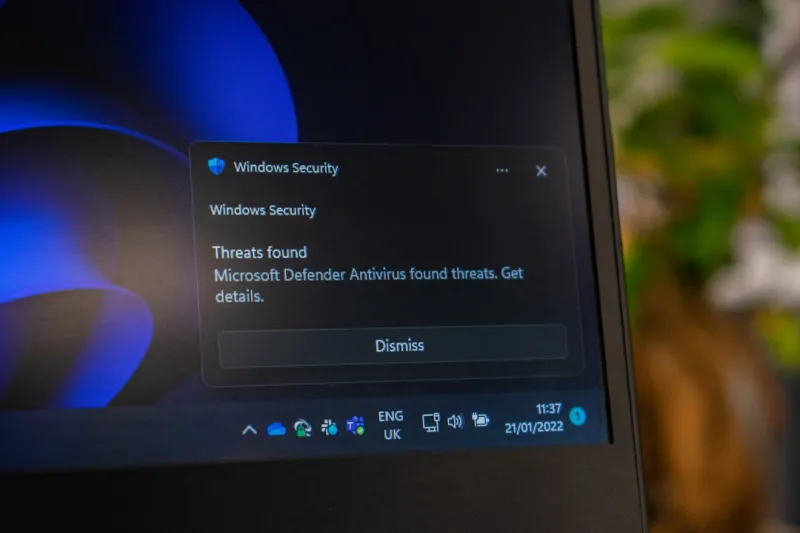
Security has always been a cat‑and‑mouse game, but Windows 2024 flips the script by embedding zero‑trust principles directly into the kernel. Every application now runs within a tightly scoped container, and the system continuously validates the integrity of drivers and services before they execute. This approach drastically reduces the attack surface, especially for ransomware that relies on elevated privileges. I ran a simulated phishing attack on a fresh install, and the built‑in protection blocked the payload before it could even touch the file system. The new Windows Defender portal also offers granular controls, letting you see real‑time risk scores for each process. For enterprises, this means less reliance on third‑party endpoint protection and a unified policy engine that scales across hybrid work environments. Want the full playbook? My Shawn DesRochers’ 2024 Computer Security Playbook breaks down the implementation steps.
Performance Tweaks That Matter to Power Users
Speed enthusiasts will appreciate the under‑the‑hood optimizations that make Windows 2024 feel like a lightweight distro without sacrificing the familiar Windows ecosystem. Microsoft reengineered the memory manager to reduce page‑fault latency, resulting in smoother multitasking even on systems with modest RAM. The new “Fast Startup” mode now leverages a hybrid hibernation model, cutting boot times by up to 30% on SSDs. I also noticed a significant boost in file copy operations, thanks to a revamped SMB stack that intelligently prioritizes local disk I/O. For gamers, the “Game Mode” now integrates directly with DirectX 12 Ultimate, auto‑tuning GPU frequencies based on the active title. These performance gains are not just marketing fluff; they translate into tangible productivity improvements, whether you’re compiling code, editing 4K video, or running multiple virtual machines simultaneously.
Hardware Synergy: GPUs, RAM, and Driver Evolution
One of the most exciting aspects of Windows 2024 is how it harmonizes with next‑gen hardware. The OS now ships with a universal driver framework that auto‑detects and optimizes settings for the latest RTX and AMD GPUs, eliminating the need for manual tweaking. I ran the new Troubleshooting Video Cards in 2024 guide on a mixed‑brand rig, and the system seamlessly balanced power profiles across both cards. Memory management also received a boost: the revised Virtual Memory system can intelligently allocate large pages for memory‑intensive apps, reducing fragmentation. For those dealing with flaky RAM modules, my Diagnosing and Fixing RAM Problems in 2024 checklist outlines how to leverage the new diagnostic tools built into the OS. The net effect is a smoother, more reliable experience that feels like the hardware and software finally speak the same language.
Cloud Integration That Feels Native
Windows 2024 takes cloud connectivity a step further by embedding OneDrive and Azure services directly into the file explorer and settings panels. Files saved to the desktop are automatically synced to the cloud, with version history available at a glance. The new “Cloud Sync” toggle lets you choose which folders stay local and which are always on‑demand, freeing up valuable SSD space without sacrificing accessibility. For developers, the Azure Arc integration means you can manage remote servers and containers from the same UI you use for local VMs, streamlining DevOps workflows. This native approach reduces the friction of third‑party sync tools and gives users confidence that their data is both locally available and securely backed up in the cloud.
What It Means for the Average User and the Enterprise
For everyday users, the most noticeable changes are the smarter start menu, faster boot times, and AI‑driven assistance that reduces the learning curve of complex tasks. You’ll find yourself completing repetitive chores—like setting up a new printer or configuring a Wi‑Fi network—with a few voice commands to Copilot. Enterprises, on the other hand, gain a unified platform that blends zero‑trust security, cloud management, and AI analytics, simplifying IT governance across hybrid workforces. The built‑in compliance dashboards make it easier to meet regulatory standards, while the reduced reliance on third‑party security suites can lower licensing costs. In short, Windows 2024 narrows the gap between the consumer experience and enterprise rigor, delivering a cohesive environment that scales from a single laptop to a global corporate network.
Looking Ahead: The Next Wave of AI‑Powered Windows
While Windows 2024 sets a high bar, the roadmap hints at even deeper AI integration in the coming years. Rumors suggest that future updates will bring context‑aware virtual desktops that reconfigure themselves based on the apps you launch, and a more proactive security model that predicts threats before they manifest. As someone who lives at the intersection of hardware tinkering and software development, I’m excited to see how these innovations will push the boundaries of what a desktop OS can do. Stay tuned, because the next iteration could make the line between “local” and “cloud” blur into oblivion, turning every Windows machine into a smart, adaptive hub for work, play, and creation.