
The Evolution of Hard Drives: A Look into the Future
As we continue to generate and store more data than ever before, the importance of hard drives in modern computing cannot be overstated. For decades, hard drives have been the backbone of computer storage, providing a reliable and affordable way to store and retrieve data. But as technology advances and data needs continue to grow, the future of hard drives is becoming increasingly uncertain. In this article, we'll take a look at the evolution of hard drives, the current state of the industry, and what the future may hold.
A Brief History of Hard Drives
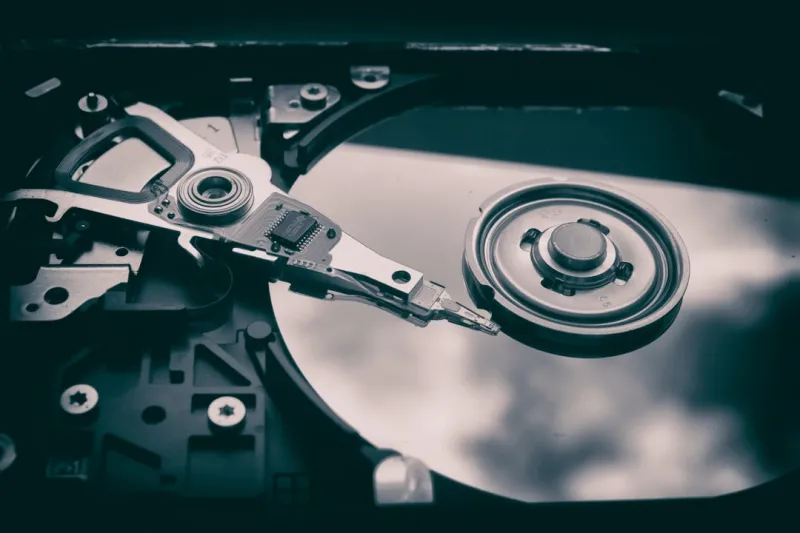
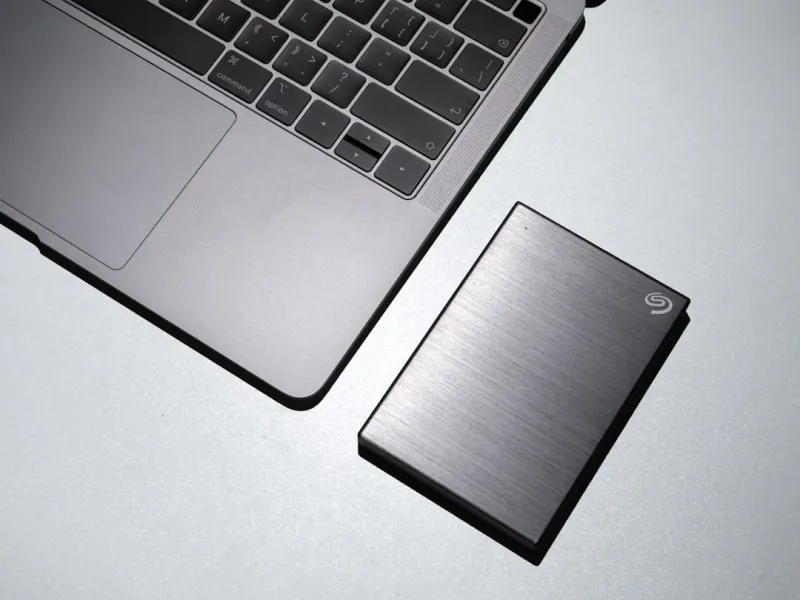
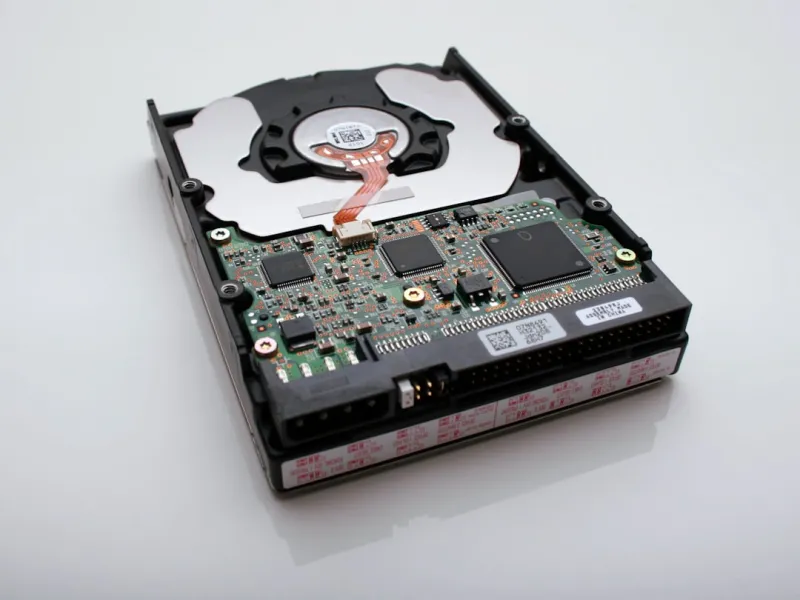
The first hard drive was invented in the 1950s by IBM engineer Fred Hooworth. The drive, known as the IBM 305 RAMAC, used a series of disks coated with magnetic material to store data. Over the years, hard drives have undergone significant changes, with advances in technology leading to increased storage capacity, faster speeds, and smaller form factors. Today, hard drives are available in a range of sizes and formats, from small 2.5-inch laptop drives to large 3.5-inch desktop drives.
The Current State of Hard Drives
Despite advances in technology, traditional hard drives are facing increasing competition from solid-state drives (SSDs). SSDs use flash memory to store data, providing faster speeds and lower power consumption than traditional hard drives. As a result, SSDs are becoming increasingly popular, particularly in mobile devices and high-performance applications. However, traditional hard drives still have their advantages, including higher storage capacity and lower cost per gigabyte. For those looking to upgrade their computer, it's essential to consider their specific needs and choose the right type of drive. A comprehensive guide to upgrading your computer can be found here.
The Future of Hard Drives: Trends and Threats
As we look to the future, it's clear that hard drives will continue to evolve and adapt to changing technology trends. One of the biggest threats facing traditional hard drives is the rise of SSDs, which are becoming increasingly affordable and capable. Another trend is the growth of cloud storage, which is reducing the need for local storage in some applications. However, hard drives will likely continue to play a critical role in many areas, including data centers, surveillance systems, and other applications where high-capacity storage is required. For more information on the future of hard drives, including trends, threats, and solutions, check out this article.
The Impact of Emerging Technologies
Emerging technologies like artificial intelligence (AI) and machine learning (ML) are also having an impact on the hard drive industry. For example, AI and ML are being used to improve drive performance and reliability, as well as to develop new storage technologies like 3D XPoint. Another emerging technology that could have a significant impact on hard drives is quantum computing, which could potentially revolutionize data storage and processing.
The Role of Encryption in Hard Drive Security
As data storage becomes increasingly important, security is becoming a growing concern. One way to protect data on hard drives is through encryption, which scrambles data to prevent unauthorized access. For more information on the future of computer encryption, including trends, threats, and solutions, check out this article. Encryption is an essential tool for protecting sensitive data, and its importance will only continue to grow as more data is stored on hard drives.
The Evolution of Hard Drive Capacity and Speed
Over the years, hard drive capacity and speed have increased significantly. For example, the first hard drive had a capacity of just 5 megabytes, while today's drives can store up to 20 terabytes or more. Similarly, drive speeds have increased from around 10 megabytes per second to over 200 megabytes per second. For a comprehensive overview of the evolution of hard drives, including their capacity and speed, check out this article.
Conclusion and Future Outlook
In conclusion, the future of hard drives is complex and multifaceted. While traditional hard drives will likely continue to play a critical role in many areas, they are facing increasing competition from SSDs and other emerging technologies. As technology continues to advance, it's clear that hard drives will continue to evolve and adapt to changing trends and threats. Whether you're a consumer, a business, or a data center operator, understanding the evolution of hard drives and the trends that are shaping the industry is essential for making informed decisions about data storage and management.