
The Evolution of Hard Drives: A Comprehensive Overview
As we continue to push the boundaries of data storage and processing, hard drives remain a crucial component in modern computing. With the ever-increasing demand for storage space, speed, and reliability, the hard drive industry has undergone significant transformations over the years. In this article, we'll explore the evolution of hard drives, from their early beginnings to the latest advancements and future trends. As someone who's been following the tech industry for years, I'm excited to share my insights on how hard drives have changed and what we can expect in the years to come.
Early Beginnings: The First Hard Drives
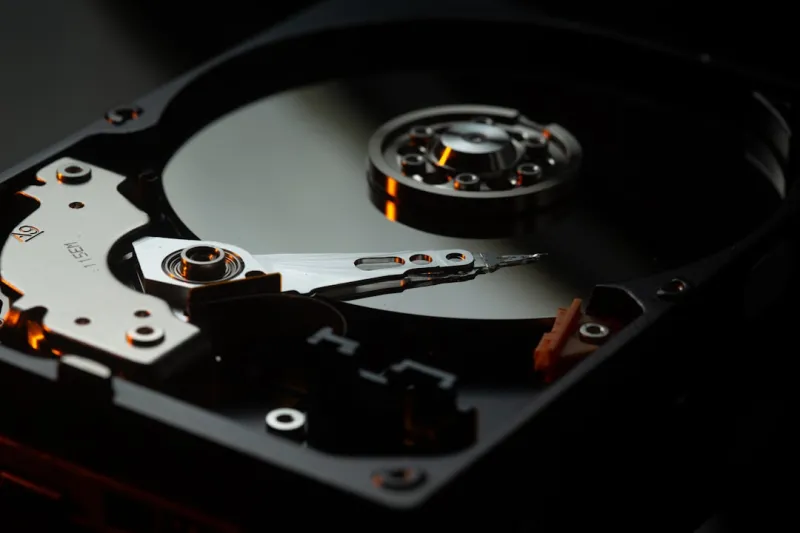
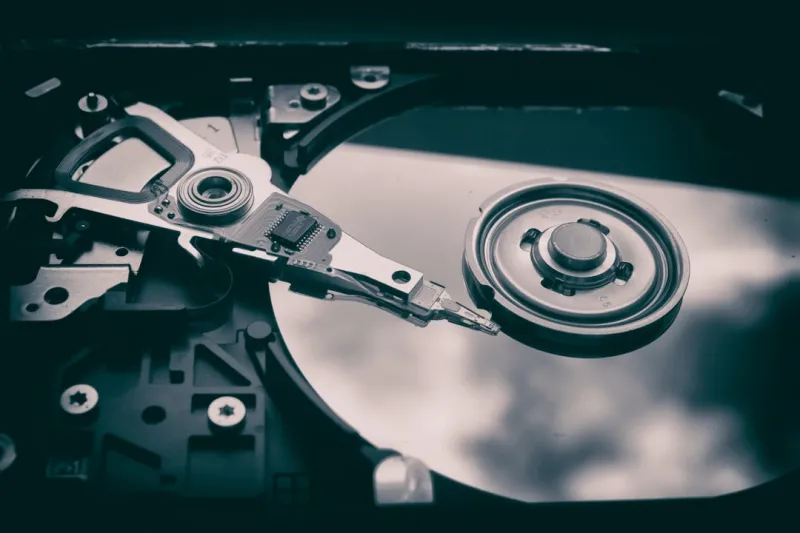
The first hard drive, developed in the 1950s, was a massive device that weighed over 900 kg and had a storage capacity of just 5 MB. These early hard drives used a technology called long-term data storage to store data on a series of disks coated with magnetic material. The disks were stacked on top of each other, and a read/write head would move across the disks to access the data. As computer systems evolved, so did the design and functionality of hard drives. The introduction of the floppy disk in the 1960s revolutionized data transfer, but it wasn't until the 1980s that hard drives started to become more widely used in personal computers.
The Rise of HDDs and the Impact on Computing
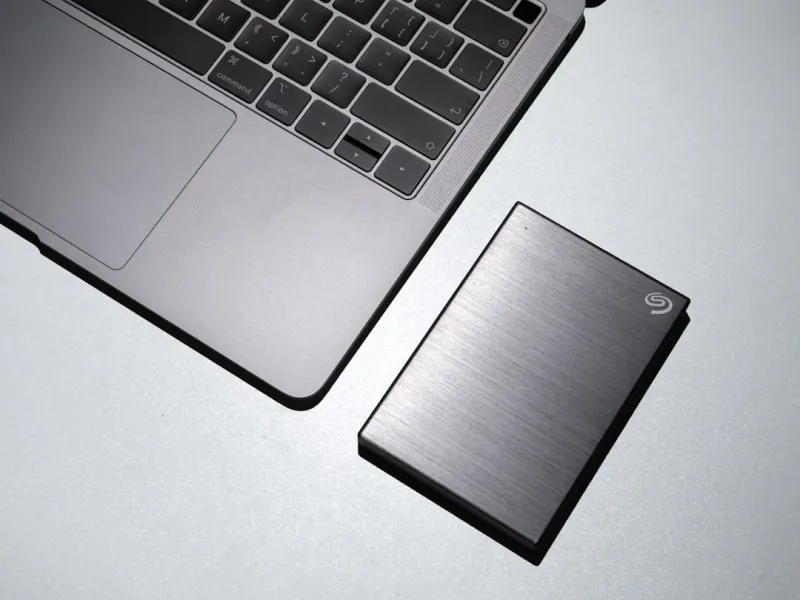
The 1990s saw the widespread adoption of Hard Disk Drives (HDDs) in personal computers. HDDs offered significantly larger storage capacities and faster data transfer rates compared to floppy disks and other storage devices. This led to a surge in the development of data-intensive applications, such as video editing software and gaming. As computer hardware continued to advance, hard drives kept pace, with storage capacities increasing exponentially. The introduction of Serial ATA (SATA) and SCSI interfaces further accelerated data transfer rates and improved overall system performance.
The Emergence of SSDs and Hybrid Solutions
The rise of Solid-State Drives (SSDs) in the 2000s marked a significant shift in the hard drive landscape. SSDs use flash memory to store data, offering faster access times, lower power consumption, and increased reliability compared to traditional HDDs. While SSDs initially came with a higher price tag, their adoption has grown steadily as costs have decreased. Today, SSDs are a staple in many modern computers, and hybrid solutions like SSHDs (Solid-State Hybrid Drives) have emerged, combining the benefits of both HDDs and SSDs.
Latest Advancements and Future Trends
Recent advancements in hard drive technology have focused on increasing storage density, reducing power consumption, and improving performance. The development of 3D XPoint storage, for example, has enabled faster data transfer rates and lower latency. Looking ahead, we can expect even more innovative solutions, such as phase-change memory and spin-transfer torque magnetic recording. As data storage demands continue to grow, hard drive manufacturers will need to push the boundaries of what's possible. For a deeper dive into the future of hard drives, check out our article on The Future of Hard Drives: Trends, Threats, and Solutions.
The Impact of Hard Drives on Computer Hardware and Operating Systems
The evolution of hard drives has had a profound impact on computer hardware and operating systems. As storage capacities have increased, so have the demands on computer processors, memory, and other components. This has led to a continuous cycle of innovation, with each advancement in hard drive technology driving improvements in other areas of computer hardware. Operating systems, too, have had to adapt to the changing storage landscape, with modern OSes like Windows and macOS optimized for the latest hard drive technologies. For more on the future of operating systems, check out The Future of Operating Systems: Trends, Threats, and Solutions.
Challenges and Opportunities in Hard Drive Development
Despite the significant progress made in hard drive technology, there are still challenges to overcome. One of the biggest hurdles is the physical limitation of magnetic storage density. As we push the boundaries of data storage, we're reaching the limits of how much data can be stored on a single disk. However, researchers are exploring new technologies, such as heat-assisted magnetic recording and bit-patterned media, to overcome these challenges. These innovations will not only enable greater storage densities but also provide opportunities for more efficient and sustainable data storage solutions.
Conclusion and Future Outlook
In conclusion, the evolution of hard drives has been a remarkable journey, from the early days of massive, cumbersome devices to the sleek, high-capacity storage solutions of today. As we look to the future, it's clear that hard drives will continue to play a critical role in computing, with emerging technologies and innovations set to drive even greater advancements. Whether you're a tech enthusiast, a business owner, or simply someone looking to upgrade your computer, understanding the evolution and future of hard drives is essential. By staying informed and adapting to the changing landscape, we can unlock new possibilities and push the boundaries of what's possible in the world of data storage.