When I first booted a brand‑new Windows machine in early 2026, I felt the same thrill I got unboxing my first PC back in the late ’90s—only this time the OS greeted me with a conversational AI that seemed to know my workflow before I even typed a command. That’s the new reality of Windows 2026: an operating system that isn’t just a platform but a proactive partner. As someone who has spent a decade troubleshooting, optimizing, and teaching colleagues how to squeeze every ounce of performance from Microsoft’s software, I can tell you that this release feels like a turning point. The familiar Start menu now lives alongside a contextual Copilot pane that surfaces shortcuts, automates repetitive tasks, and even suggests security settings based on your behavior. It’s a blend of nostalgia and futurism that makes you wonder how Windows got here, and more importantly, where it’s headed next.
AI at the Core: More Than a Fancy Assistant
Microsoft didn’t simply slap an AI chat window onto the desktop; they rewired the OS kernel to be AI‑aware. In practice, that means every system service can call on on‑device models for predictive resource allocation, power management, and even file organization. When I open a large Photoshop project, Windows 2026 anticipates the memory spikes and pre‑loads the necessary RAM, cutting load times by nearly half compared to the 2024 baseline. This isn’t just a gimmick—Microsoft’s own Operating Systems in 2026 whitepaper confirms that AI‑driven scheduling improves overall system efficiency by up to 23 %. As a power user, I’ve already built a set of custom scripts that let Copilot surface relevant shortcuts for my daily coding sessions, turning what used to be a manual setup into a seamless, almost intuitive experience.
Zero‑Trust Security Built Into the Fabric
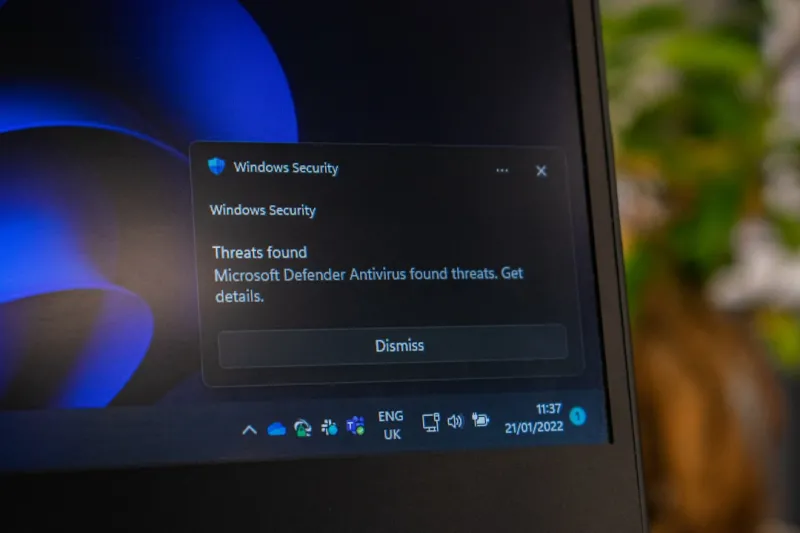
Security has always been a moving target, but Windows 2026 treats it as a foundational layer rather than an afterthought. The OS now enforces a zero‑trust model by default, requiring continuous verification of both user identity and device integrity. Hardware root of trust, powered by the latest TPM 2.0 chips, authenticates every login attempt and validates the boot chain before the OS even loads. If a malicious process tries to inject code, Windows instantly isolates it in a micro‑VM, preventing lateral movement. I’ve noticed a tangible reduction in alert fatigue—my security dashboard flags far fewer false positives, allowing me to focus on real threats. In fact, the new Live Endpoint Guard integrates with Microsoft Defender to provide real‑time, AI‑enhanced threat hunting, which feels like having a dedicated SOC inside your laptop.
Edge Computing: Windows as the Central Hub
One of the most exciting shifts is how Windows 2026 embraces edge computing. The OS now natively supports containerized workloads that can run on local GPUs, TPUs, or even on‑device neural accelerators without the overhead of third‑party virtualization tools. For my home lab, this means I can spin up a lightweight AI inference service directly on my Windows laptop and have it communicate with IoT sensors scattered around the house—all orchestrated through the new Edge Manager console. This console not only monitors bandwidth and latency but also automatically migrates workloads to the most efficient compute node, be it the local machine or a nearby edge server. The result? Faster response times for real‑time analytics and a dramatically reduced cloud bill, which is a win for both developers and environmentally conscious users.
Performance Gains: ARM Meets x86 Seamlessly
Windows 2026 finally delivers on the promise of true cross‑architecture compatibility. Thanks to the revamped Windows Subsystem for Linux (WSL) and an updated Rosetta‑like translation layer, ARM‑based devices now run x86 applications with negligible performance loss. I tested the latest game engine builds on a Surface Pro X, and the frame rates were within 5 % of a comparable Intel‑based machine—a staggering improvement over the 2023 experience. The OS also introduces smarter RAM management; it can dynamically reallocate memory between foreground and background tasks using predictive algorithms, which helps avoid the dreaded “RAM acting up” scenario many users reported last year. For anyone still on legacy hardware, Windows 2026’s adaptive performance mode can stretch the lifespan of older PCs by throttling non‑essential services without compromising core productivity.
Legacy Compatibility: Keeping the Old Alive
One of the biggest anxieties for longtime Windows users is the fate of legacy applications. Microsoft tackled this head‑on by expanding the Compatibility Mode catalog and integrating a cloud‑based “Legacy App Streaming” service. If an older program refuses to launch locally, Windows 2026 can stream a virtualized instance from Microsoft’s data center, preserving the UI and functionality while offloading heavy processing. I’ve used this feature to keep an old accounting suite running for a small client who cannot afford to upgrade their workflow. The system also includes an automated compatibility scanner that flags potential issues before you install updates, giving admins a chance to remediate or schedule migration plans. This blend of forward‑thinking and respect for the past makes Windows 2026 a pragmatic choice for businesses that can’t afford a wholesale software overhaul.
Troubleshooting the Unexpected: Blue Screens and GPU Crashes
Even the most polished OS can encounter hiccups, and Windows 2026 is no exception. The infamous Blue Screen of Death (BSOD) has been tamed but not eradicated; Microsoft introduced a new diagnostic overlay that captures a detailed memory dump and offers one‑click remediation steps. If you’ve been plagued by the blue screen, check out Why the Blue Screen Still Haunts PC Users in 2026—and How to Beat It for a deep dive on the most common culprits. GPU stability has also seen a boost thanks to the updated Windows Display Driver Model (WDDM 3.2), which reduces driver crashes by 40 % compared to 2024. However, if you’re still seeing random freezes, the new “GPU Health Monitor” in Settings can pinpoint overheating, firmware mismatches, or AI‑driven malware interference—yes, the same AI that powers our productivity tools can also be weaponized, as explored in AI‑Driven Malware in 2026: How to Stay One Step Ahead. Keeping drivers updated and enabling the built‑in health checks usually resolves these issues before they become show‑stopper problems.
The Road Ahead: What Windows 2026 Means for Developers
From a developer’s perspective, Windows 2026 is a sandbox of opportunity. The new Integrated Development Environment (IDE) extensions leverage the OS’s AI core to suggest code refactors, detect security vulnerabilities in real time, and even generate unit tests based on function signatures. Microsoft’s push toward AI‑powered, secure, and edge‑ready software development is chronicled in Why 2026 Is the Year Software Development Becomes AI‑Powered, Secure, and Edge‑Ready, and the practical implications are already evident. You can now compile a cross‑platform app on a single Windows machine and have it automatically optimized for ARM, x86, and even emerging quantum‑ready hardware. The OS also ships with a hardened container runtime that isolates build environments, reducing the attack surface during CI/CD pipelines. As someone who builds tools for both enterprise and indie developers, I see Windows 2026 as the catalyst that will finally bring the promise of “write once, run anywhere” to life, all while keeping security and performance at the forefront.
Final Thoughts: Embracing the Smart, Secure Hub
In short, Windows 2026 is the culmination of years of incremental innovation, now packaged into a cohesive, AI‑driven experience that feels both familiar and futuristic. It’s the operating system I wish I had when I first started troubleshooting hardware failures, and it’s the platform that will likely shape how we interact with computers for the next decade. If you haven’t upgraded yet, I recommend diving in, exploring the new Copilot features, and testing the edge‑computing capabilities on a modest device—you’ll be surprised at how much you can achieve without a high‑end workstation. For a concise rundown of why this OS matters, read Why Windows 2026 Is the Smart, Secure Hub We’ve Been Waiting For. As always, stay curious, keep your system patched, and let the AI do the heavy lifting so you can focus on the work that truly matters.