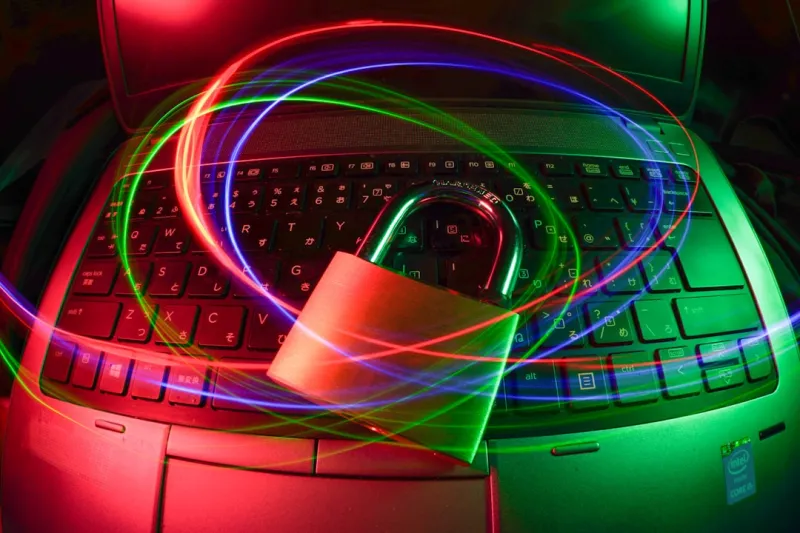
When I first dove deep into the world of power‑user computing, encryption felt like a luxury—something you added if you had extra time or a paranoid streak. Fast‑forward to 2026, and the landscape has flipped on its head: encryption is now the backbone of any serious workflow, whether you’re juggling massive AI models, streaming 8K content, or protecting sensitive client data from relentless ransomware attacks. Every byte you move, store, or share now carries a risk profile that demands proactive defense. In my experience, the difference between a smooth, secure setup and a disaster‑recovery nightmare often comes down to how well you’ve woven encryption into the fabric of your daily tasks. This article pulls together the hard‑won lessons from my own lab bench, the latest industry standards, and a few insider tips that aren’t splashed across generic how‑to sites. By the end, you’ll have a clear roadmap to turn encryption from an afterthought into a seamless, automated shield that lets you focus on performance, not paperwork.
Why Encryption Matters More Than Ever
2026 is the year when the average ransomware demand has crossed the six‑figure mark, and nation‑state actors are leveraging AI‑driven obfuscation to bypass traditional defenses. This escalation forces power users to treat encryption not as a checkbox but as a continuous, strategic practice. Think of it like a strong password manager: you wouldn’t lock away a single note in a drawer and assume it’s safe; you’d vault it behind multiple layers of protection. The same principle applies to files, disks, and even memory. When you encrypt at rest, in transit, and even in use, you dramatically shrink the attack surface. Moreover, compliance frameworks such as GDPR‑Plus and the emerging “Data Sovereignty Act” now require demonstrable encryption for any personal or proprietary data, regardless of size. Skipping encryption is no longer an option; it’s a liability that can cost you reputation, legal penalties, and countless hours of remediation. For power users who prize efficiency, the hidden cost of ignoring encryption far outweighs the modest performance hit of modern cipher suites.
The Evolving Threat Landscape
Cyber‑threats in 2026 have become more sophisticated, with malware that can sniff out unencrypted volumes in seconds and exfiltrate data before you even notice a breach. The Outsmarting the 2026 Malware Onslaught: A Power‑User’s Playbook highlighted how ransomware groups now target backup repositories that lack proper encryption, turning your safety net into a treasure chest. Even legitimate cloud services are not immune; misconfigured buckets can expose terabytes of data to the public internet. The rise of “file‑less” attacks—where malicious code lives in memory—makes it essential to encrypt not just files but also the RAM that processes them. That’s why a holistic encryption strategy must encompass disks, network traffic, and volatile memory. In practice, this means deploying full‑disk encryption (FDE) on every workstation, enabling TLS 1.3 across all network services, and leveraging hardware‑based memory encryption (Intel TME, AMD SEV) to lock down data while it’s being processed. Ignoring any of these layers leaves a gaping hole that attackers love to exploit.
Choosing the Right Encryption Tools
With a market flooded with encryption utilities, picking the right tool can feel overwhelming. My rule of thumb: prioritize open‑source solutions that have undergone independent audits and support modern algorithms like AES‑256‑GCM, ChaCha20‑Poly1305, and the emerging post‑quantum candidates. For file‑level encryption, VeraCrypt remains a solid choice, offering plausible‑deniability and robust key management. When it comes to whole‑disk encryption, BitLocker on Windows and FileVault on macOS have matured to the point where they add negligible latency while offering hardware‑backed key storage via TPM. Linux enthusiasts often gravitate toward LUKS 2 with Argon2id KDF for superior resistance against brute‑force attacks. Don’t forget about the importance of proper key lifecycle management—rotate keys regularly, store backups offline, and avoid hard‑coding passwords in scripts. If you’re handling massive datasets, consider using cryptographic file systems like eCryptfs or ZFS native encryption, which integrate seamlessly with storage pools and can encrypt data at the block level without sacrificing performance.
Hardware‑Based Encryption: TPM, Secure Enclaves, and Beyond
Software encryption alone can’t defend against a determined adversary who has physical access to your machine. That’s where hardware‑based solutions shine. Modern CPUs come equipped with Trusted Platform Modules (TPM 2.0) and secure enclaves (Intel SGX, AMD SEV) that store cryptographic keys in isolated, tamper‑resistant memory. By binding encryption keys to the TPM, you ensure that the keys never leave the hardware, dramatically reducing the risk of key extraction via malware. In my own rigs, I enable the TPM to seal the BitLocker recovery key, which means the drive won’t unlock without the chip present—a powerful deterrent against “cold‑boot” attacks. Additionally, many NVMe SSDs now feature self‑encrypting drives (SED) that handle AES‑256 encryption on the controller, offloading work from the CPU and delivering near‑zero performance overhead. Pairing SEDs with TPM‑backed key protection creates a layered defense that’s practically unbreakable for most threat actors. For those building a “digital fortress,” this hardware synergy is a must‑have.
Securing Cloud Storage with End‑to‑End Encryption
While local encryption protects your machines, the cloud is where many power users store the bulk of their data. Relying solely on provider‑side encryption is risky, as providers retain the ability to decrypt data for maintenance or legal requests. End‑to‑end encryption (E2EE) puts you in full control of the keys, ensuring that only you can access the plaintext. Solutions like Cryptomator or the open‑source rclone with built‑in encryption allow you to encrypt files before they ever leave your device, while still leveraging the scalability and redundancy of services like Backblaze B2 or Wasabi. In practice, I set up an automated script that encrypts my backup folders nightly, then syncs them to the cloud, all while logging key usage for audit purposes. Remember to protect the master key with a strong passphrase and store it in a secure password manager—losing it means losing access to your own data. By combining E2EE with cloud provider redundancy, you get the best of both worlds: resilience and privacy.
Password Managers and Key Derivation Functions
Even the strongest encryption is meaningless if you lose the keys that unlock it. That’s why a reliable password manager is non‑negotiable for any power user. I rely on a manager that supports hardware‑based 2FA (YubiKey) and can generate high‑entropy passwords on demand. When creating encryption passphrases, I pair them with robust key derivation functions (KDFs) such as Argon2id, which resists GPU‑accelerated cracking by demanding significant memory and CPU resources. A well‑configured KDF can turn a 12‑character passphrase into a cryptographic key that would take years to brute‑force, even with a botnet at your disposal. Always enable peppering—adding a secret value stored separately from the password—to further harden the derived key. By integrating your password manager with scripts that fetch the derived key on the fly, you can automate encryption tasks without ever exposing raw passwords on disk.
Automating Encryption in Your Daily Workflow
Manual encryption is a chore that quickly falls by the wayside. The secret to staying secure is to embed encryption into the very fabric of your daily operations. I use a combination of PowerShell and Bash wrappers that invoke gpg or openssl with pre‑configured keys whenever a file lands in a monitored folder. This “drop‑box” approach means that any document you save to the “SecureInbox” directory is instantly encrypted, versioned, and backed up to the cloud without any extra clicks. For developers, integrating encryption into CI/CD pipelines ensures that artifacts—like binaries or configuration files—are never stored in plaintext on build servers. Tools like Git‑crypt let you encrypt specific files within a repository, automatically unlocking them for authorized contributors. The key is to keep the process invisible to the user, so security becomes a habit rather than a task.
Future Directions: Quantum‑Resistant Algorithms
Looking ahead, the looming reality of quantum computing forces us to consider next‑generation cryptography. While large‑scale quantum machines are still in experimental stages, the NIST Post‑Quantum Cryptography (PQC) standardization process is already delivering candidates like Kyber and Dilithium. For power users who plan to keep data secure for decades, it’s prudent to start experimenting with hybrid encryption schemes that combine classical AES‑256 with a PQC key‑exchange mechanism. This dual approach ensures that even if a quantum adversary can break one layer, the other remains intact. Many modern libraries, such as OpenSSL 3.0, now include support for PQC algorithms, making it easier to test and deploy them in non‑production environments. By adopting a forward‑looking stance now, you’ll avoid the costly data migration that will be required once quantum‑grade attacks become mainstream.
Putting It All Together: A Power‑User Encryption Checklist
To wrap up, let’s distill everything into a practical checklist you can run through right now. First, audit all devices for full‑disk encryption and enable TPM‑backed key storage. Second, adopt a reputable password manager and configure Argon2id‑based KDFs for all passphrases. Third, implement end‑to‑end encryption for any cloud‑bound data using tools like Cryptomator. Fourth, automate encryption for routine workflows with drop‑box scripts and CI/CD integrations. Fifth, explore hybrid quantum‑resistant schemes to future‑proof critical assets. Finally, stay informed by revisiting resources such as robust encryption strategy and modern computer security playbook for deeper dives. By treating encryption as a living, evolving component of your tech stack, you’ll not only safeguard your data but also maintain the speed and flexibility that power users demand.