
The Evolution of Operating Systems: A Comprehensive Overview
As we continue to navigate the ever-changing landscape of technology, it's essential to take a step back and appreciate the incredible journey that operating systems have been on. From the early days of computing to the present, operating systems have undergone significant transformations, shaping the way we interact with our devices and the world around us. In this article, we'll explore the evolution of operating systems, highlighting key milestones, trends, and insights that have defined this critical component of modern computing.
The Early Days of Operating Systems
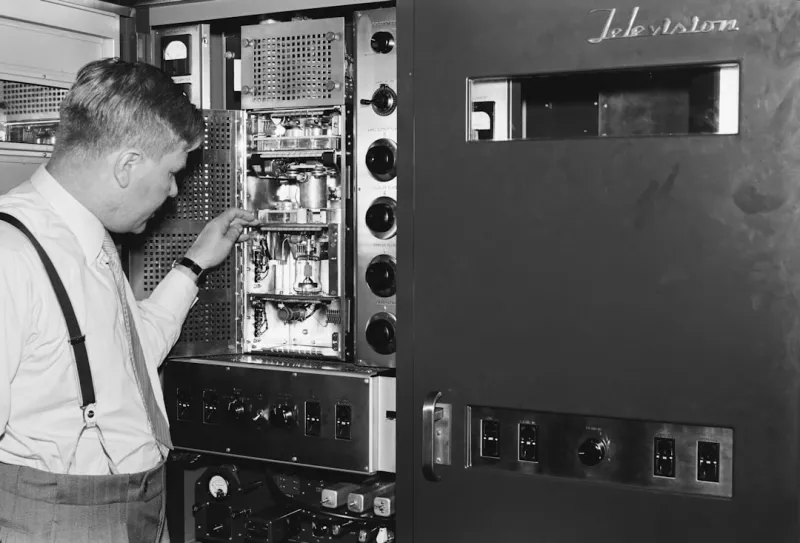
The first operating systems emerged in the 1950s, with the development of batch processing systems. These early systems were designed to manage and execute a series of jobs, or tasks, in a sequential manner. As computers became more sophisticated, so did the operating systems that ran on them. The introduction of time-sharing systems in the 1960s allowed multiple users to interact with a single computer simultaneously, paving the way for the development of modern operating systems. One of the most influential operating systems of this era was Microsoft Windows, which would go on to become a dominant force in the industry.
The Rise of Personal Computing
The 1980s saw the dawn of personal computing, with the introduction of the IBM PC and the Apple Macintosh. This marked a significant shift in the way people interacted with computers, as they became more accessible and user-friendly. Operating systems like MS-DOS and Mac OS X became household names, and the stage was set for the development of more advanced operating systems. As personal computing continued to grow, so did the need for more sophisticated operating systems that could handle the demands of modern computing. This led to the development of new technologies and innovations that would shape the future of operating systems.
The Modern Era of Operating Systems
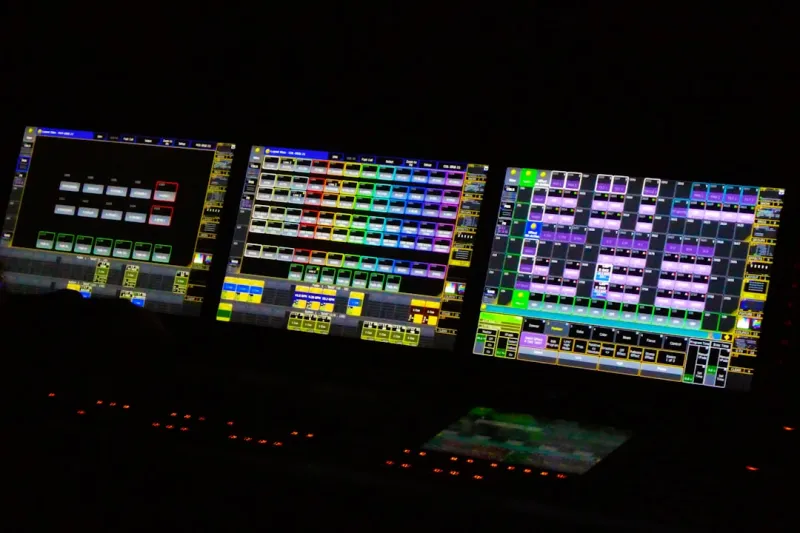
Today, operating systems are more complex and sophisticated than ever before. The rise of mobile devices has led to the development of operating systems like Android and iOS, which have revolutionized the way we interact with our smartphones and tablets. Meanwhile, traditional desktop operating systems like Windows and macOS continue to evolve, with a focus on security, performance, and user experience. As we look to the future, it's clear that operating systems will play an increasingly important role in shaping the technology landscape. Emerging trends and technologies like artificial intelligence, blockchain, and the Internet of Things (IoT) will require operating systems that are highly adaptable, secure, and efficient.
The Importance of Security
As operating systems continue to evolve, security has become a top priority. With the rise of cyber threats and data breaches, operating system developers are working hard to stay ahead of the threats. This includes the development of new security features, like encryption and biometric authentication, as well as more robust testing and validation procedures. The importance of computer encryption in today's digital landscape cannot be overstated, and operating system developers are taking steps to ensure that their products are secure and reliable.
The Future of Operating Systems
As we look to the future, it's clear that operating systems will continue to play a critical role in shaping the technology landscape. With the rise of emerging technologies like AI, blockchain, and IoT, operating systems will need to be highly adaptable, secure, and efficient. This will require ongoing innovation and investment in operating system development, as well as a focus on security, performance, and user experience. As the technology landscape continues to evolve, one thing is certain: operating systems will remain at the forefront of modern computing.
The Intersection of Software Development and Computer Hardware
The intersection of software development and computer hardware is an area that will continue to shape the future of operating systems. As hardware capabilities continue to advance, operating systems will need to be designed to take full advantage of these new capabilities. This includes the development of new technologies and innovations that will enable operating systems to run more efficiently and securely. By understanding the complex relationships between software development, computer hardware, and operating systems, developers can create more efficient, secure, and user-friendly systems.
Conclusion
In conclusion, the evolution of operating systems has been a remarkable journey, marked by significant milestones, trends, and insights. From the early days of batch processing to the modern era of mobile devices and emerging technologies, operating systems have played a critical role in shaping the technology landscape. As we look to the future, it's clear that operating systems will continue to evolve, driven by emerging trends and technologies. By understanding the complex relationships between software development, computer hardware, and operating systems, we can create more efficient, secure, and user-friendly systems that meet the needs of a rapidly changing world.