
The Evolution of Microsoft Windows Security: A Comprehensive Overview
As a tech enthusiast, I've always been fascinated by the world of Microsoft Windows and its evolution over the years. One aspect that has garnered significant attention in recent times is the security of the Windows operating system. With the rise of cyber threats and data breaches, it's essential to understand the measures Microsoft has taken to protect its users. In this article, we'll delve into the evolution of Microsoft Windows security, exploring its past, present, and future.
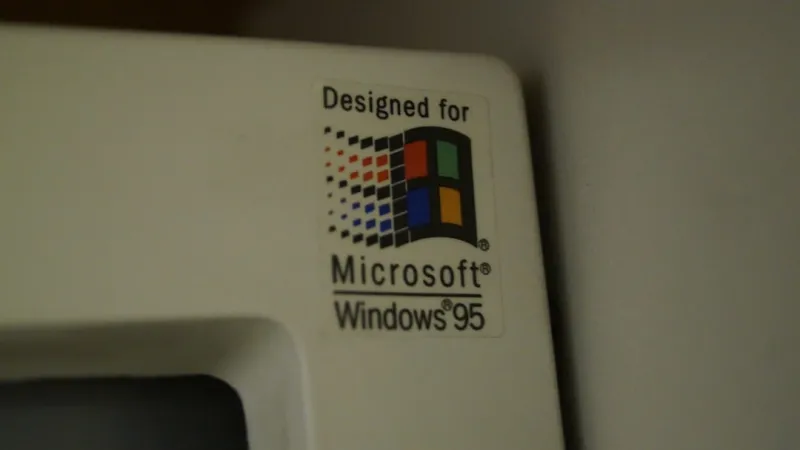
The early days of Windows were marked by a lack of robust security features. The operating system was primarily designed for personal use, and security was not a top priority. However, as the internet became more widespread, and malware threats began to emerge, Microsoft realized the need to bolster its security measures. The introduction of Windows XP marked a significant turning point, with the inclusion of features like Windows Firewall and Automatic Updates. These features provided a basic level of protection, but they were not enough to combat the growing number of threats. For more information on computer hardware security, check out The Critical Importance of Computer Hardware Security.
The Rise of Advanced Threats
As the threat landscape evolved, Microsoft responded with more advanced security features. The release of Windows 7 and Windows 8 saw the introduction of Windows Defender and BitLocker. These features provided enhanced protection against malware and unauthorized access to data. However, despite these efforts, Windows continued to face criticism for its vulnerability to attacks. The Blue Screen of Death became a familiar sight for many users, highlighting the need for more robust security measures. For a comprehensive guide on troubleshooting video cards, which can also impact system security, visit Troubleshooting Video Cards: A Comprehensive Guide.
The Era of Cloud Computing and Artificial Intelligence
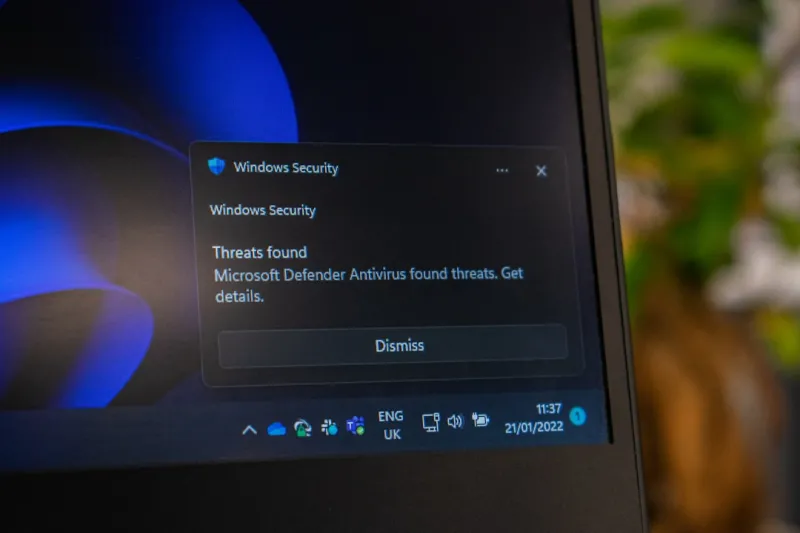
The advent of cloud computing and artificial intelligence (AI) marked a significant shift in Microsoft's approach to security. With the introduction of Windows 10, Microsoft integrated Windows Defender Advanced Threat Protection (ATP), which leverages AI and machine learning to detect and respond to threats. This marked a significant improvement in Windows security, as ATP provides real-time protection against advanced threats. For more information on AI computing and computer hardware security, read The Intersection of AI Computing and Computer Hardware Security.
The Future of Windows Security
As we look to the future, it's clear that Microsoft will continue to invest in Windows security. The company has announced plans to integrate more AI and machine learning capabilities into its security features, further enhancing protection against emerging threats. Additionally, the rise of quantum computing poses new security challenges, and Microsoft is working to address these concerns. For insights into the future of computer networking and its impact on security, explore The Future of Computer Networking: Trends, Innovations, and Security Concerns.
The Importance of User Education
While Microsoft has made significant strides in improving Windows security, user education remains a critical component of protecting against threats. Users must be aware of the risks associated with phishing attacks, password management, and software updates. By understanding these risks and taking proactive steps to mitigate them, users can significantly reduce their exposure to threats. For more information on Microsoft Office security, visit Microsoft Office Security: A Growing Concern in the Digital Age.
Conclusion
In conclusion, the evolution of Microsoft Windows security has been a long and winding road. From its humble beginnings to the current state of advanced threat protection, Microsoft has made significant strides in protecting its users. As we look to the future, it's clear that Windows security will continue to play a critical role in the tech landscape. By staying informed and taking proactive steps to protect ourselves, we can ensure a safer and more secure computing experience. For a comprehensive overview of the evolution of Microsoft Windows security, explore The Evolution of Microsoft Windows Security: A Comprehensive Overview.
Ultimately, the security of Windows is a shared responsibility between Microsoft and its users. By working together, we can create a safer and more secure computing environment. As a tech enthusiast, I'm excited to see what the future holds for Windows security and how Microsoft will continue to innovate and adapt to emerging threats.
With the ever-changing threat landscape, it's essential to stay up-to-date on the latest security trends and best practices. By doing so, we can ensure that our computing experiences are not only enjoyable but also secure. For more information on computer hardware security, visit The State of Computer Hardware Security: A Growing Concern.